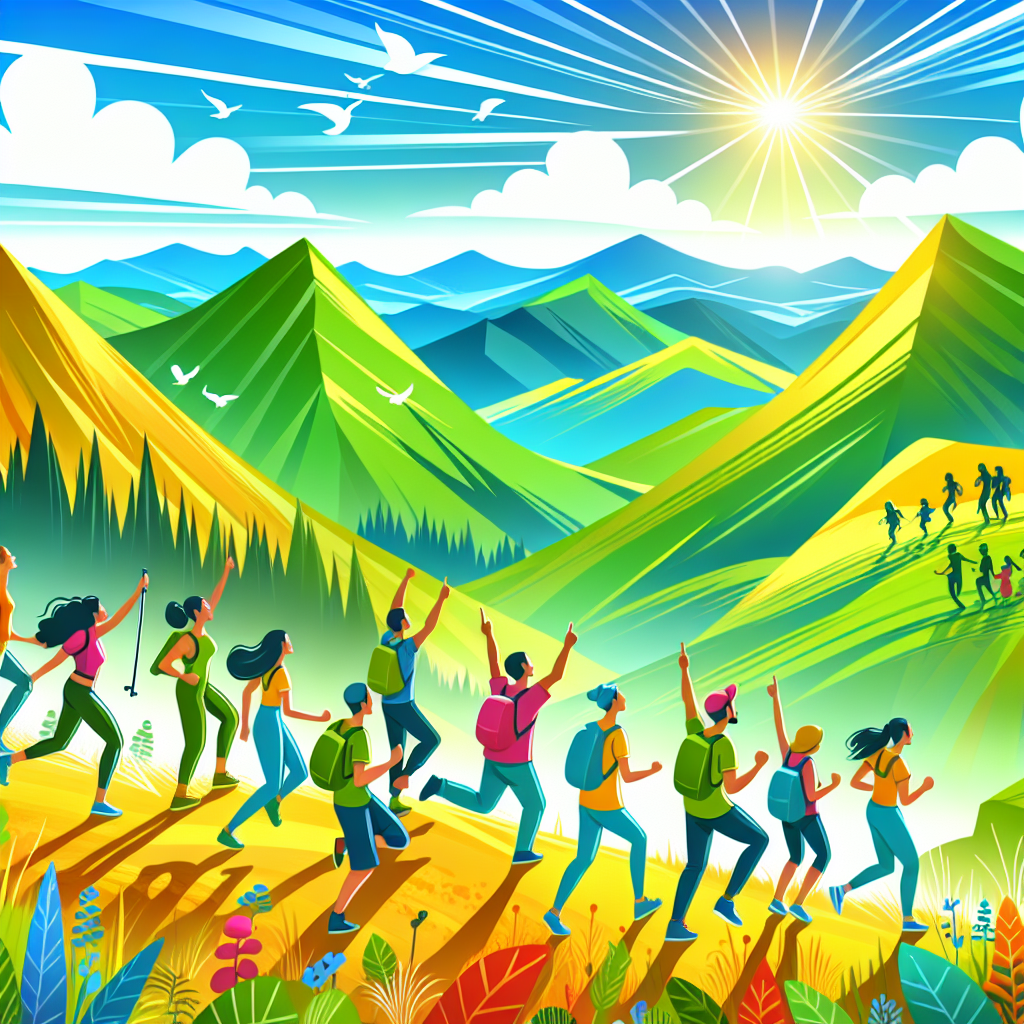
The Power of Hiking and Trekking for Physical Fitness and Mental Clarity
In the fast-paced world we live in, balancing physical fitness with mental well-being can be a challenging endeavor. As urbanization increases and technology becomes more ingrained in our daily lives, the need to reconnect with nature and ourselves grows ever more pressing. Hiking and trekking offer a unique solution, providing a holistic approach to health that benefits both body and mind. This article explores the profound impact of hiking and trekking on physical fitness and mental clarity, highlighting why these activities are more than just pastimes but essential components of a balanced lifestyle.
Understanding the Basics: Hiking vs. Trekking
Before delving into the benefits, it is essential to distinguish between hiking and trekking. Though often used interchangeably, these activities differ in complexity and demands.
– Hiking: Typically involves walking on well-marked trails or paths, often in natural environments such as forests, hills, or mountains. Hikes can range from short, leisurely walks to more challenging day-long adventures.
– Trekking: Refers to longer journeys that may span several days or weeks, often in remote areas. Trekking usually involves more significant physical demands and requires planning for overnight stays and variable weather conditions.
Both activities share a common goal: to immerse participants in nature, encouraging exploration and discovery.
Physical Fitness: Building Strength and Endurance
Engaging in hiking and trekking offers numerous physical benefits, contributing to overall fitness and health.
Cardiovascular Health
– Hiking and trekking are excellent cardiovascular exercises, increasing heart rate and improving circulation. Regular participation can help lower blood pressure, reduce cholesterol levels, and decrease the risk of heart disease.
Muscle Strength and Tone
– These activities engage multiple muscle groups, including the legs, core, and upper body, particularly when using trekking poles or carrying a backpack. The varied terrain encountered during hikes and treks challenges muscles, enhancing strength and tone.
Weight Management
– Hiking and trekking are effective calorie-burning activities. The intensity of the exercise depends on factors such as trail difficulty, duration, and individual fitness levels, making it an adaptable option for weight management.
Improved Balance and Flexibility
– Navigating uneven terrain requires balance and coordination, which improves over time. Additionally, the stretching and reaching movements involved in hiking and trekking enhance flexibility.
Bone Density
– Weight-bearing exercises like hiking and trekking are beneficial for maintaining and improving bone density, reducing the risk of osteoporosis and fractures.
Mental Clarity: Nature’s Antidote to Stress
While the physical benefits of hiking and trekking are well-documented, the mental health advantages are equally significant.
Stress Reduction
– Immersion in nature has a calming effect on the mind, reducing stress and anxiety. The rhythmic nature of walking, coupled with the soothing sounds of the natural environment, promotes relaxation.
Enhanced Mood and Emotional Well-being
– Physical activity stimulates the release of endorphins, often referred to as “feel-good” hormones. This natural mood booster can alleviate symptoms of depression and anxiety, fostering a sense of happiness and well-being.
Improved Cognitive Function
– Studies have shown that spending time in nature can enhance cognitive function, including memory and attention span. The mental break from technology and urban distractions allows the brain to reset and recharge.
Mindfulness and Presence
– Hiking and trekking encourage mindfulness, the practice of being present and fully engaged in the moment. This heightened awareness can lead to greater self-reflection and personal growth.
Connection to Nature
– Reconnecting with nature fosters a sense of belonging and purpose. This connection can inspire environmental stewardship and a deeper appreciation for the natural world.
Preparing for the Journey: Essential Tips for Hikers and Trekkers
To fully enjoy the benefits of hiking and trekking, proper preparation is crucial. Here are some essential tips to ensure a safe and enjoyable experience.
Choose the Right Trail
– Consider your fitness level, experience, and available time when selecting a trail. Research trail conditions, difficulty ratings, and weather forecasts to make an informed decision.
Invest in Quality Gear
– Proper footwear is essential. Invest in sturdy, comfortable hiking boots or shoes that provide support and traction. Additionally, dress in layers to accommodate changing weather conditions and pack essential gear such as a map, compass, first-aid kit, and sufficient water and snacks.
Plan and Prepare
– Inform someone of your plans and expected return time. Familiarize yourself with the trail map and carry a fully charged phone for emergencies. If trekking, plan for overnight accommodations and pack accordingly.
Practice Leave No Trace Principles
– Respect the natural environment by minimizing your impact. Stay on designated trails, dispose of waste properly, and avoid disturbing wildlife.
Listen to Your Body
– Pay attention to your body’s signals and rest when needed. Gradually increase the intensity and duration of your hikes or treks to prevent injury and build endurance.
The Social Aspect: Building Connections Through Hiking and Trekking
Beyond individual benefits, hiking and trekking offer opportunities for social engagement and community building.
Shared Experiences
– Embarking on hikes or treks with friends, family, or organized groups fosters camaraderie and shared experiences. These adventures create lasting memories and strengthen relationships.
Support and Motivation
– Group hikes provide encouragement and support, especially for beginners. Experienced hikers can offer guidance and motivation, helping others overcome challenges and achieve their goals.
Community Involvement
– Participating in local hiking clubs or environmental groups can lead to community involvement and volunteer opportunities, such as trail maintenance or conservation projects.
Conclusion: Embracing the Journey
Hiking and trekking are more than physical activities; they are transformative experiences that nurture the body, mind, and spirit. By embracing these pursuits, individuals can achieve a balanced lifestyle that promotes physical fitness and mental clarity. As you lace up your boots and step onto the trail, remember that each journey is an opportunity for growth, discovery, and connection. Whether you are a seasoned trekker or a novice hiker, the path to well-being is just a step away.
