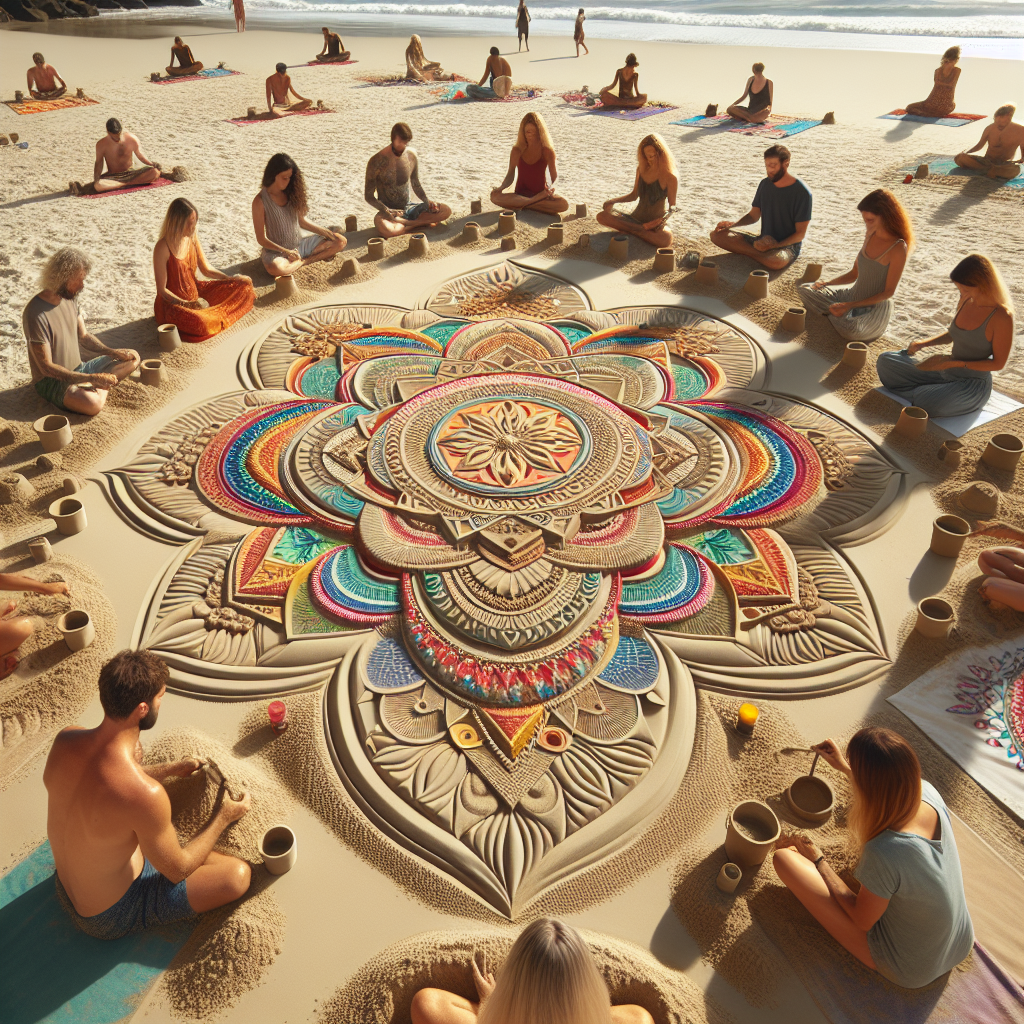
**Achieving Happiness Through the Art of Sand Mandalas**
The pursuit of happiness is a universal endeavor, transcending cultures, religions, and individual beliefs. While happiness is often perceived as a personal journey, many have turned to ancient practices to find a deeper, more lasting sense of fulfillment. One such practice is the creation of sand mandalas, a spiritual art form with roots in Tibetan Buddhism. This article explores how the intricate and meditative process of crafting sand mandalas can lead to a profound sense of happiness and inner peace.
**Understanding Sand Mandalas**
Sand mandalas are intricate, symbolic designs created with colored sand. Traditionally, they are used as a tool for meditation and spiritual growth within Tibetan Buddhism. The word “mandala” is derived from the ancient Indian language of Sanskrit, meaning “circle.” However, mandalas are more than just circular designs; they are representations of the universe and serve as a guide for individuals on their spiritual journeys.
**The History and Significance of Sand Mandalas**
Sand mandalas have a rich history that dates back over a thousand years. Originating in the regions of Tibet, India, Nepal, and Bhutan, they are deeply embedded in the spiritual practices of these cultures. The creation of a mandala is a sacred ritual, often performed by monks who have undergone years of training. The process involves the meticulous placement of colored sand to form geometric patterns and symbols, each with its own spiritual significance.
– **Symbolism**: Every aspect of a sand mandala carries symbolic meaning. The central circle often represents the universe, while the surrounding patterns symbolize various aspects of life and spirituality.
– **Colors**: The colors used in a mandala are carefully chosen, each representing different qualities such as wisdom, compassion, and power.
– **Impermanence**: One of the most profound teachings of sand mandalas is the concept of impermanence. Once a mandala is completed, it is ceremonially destroyed, symbolizing the transient nature of life and the importance of letting go.
**The Process of Creating Sand Mandalas**
Creating a sand mandala is a meditative process that requires patience, precision, and a deep sense of focus. The meticulous nature of this art form fosters a state of mindfulness, allowing individuals to connect with their inner selves and the present moment.
1. **Preparation**: Before beginning the creation of a mandala, the space is consecrated with rituals and prayers. This sets the intention for the process and invites a sense of sacredness.
2. **Designing**: The design of a mandala is often predetermined, based on traditional patterns passed down through generations. These designs are sketched onto a flat surface using chalk or charcoal.
3. **Coloring**: Colored sand is carefully applied using a small funnel called a “chak-pur.” This tool allows for precise placement of the sand, creating intricate designs and patterns.
4. **Meditation**: Throughout the process, creators maintain a meditative focus, often chanting or praying. This mindfulness practice is central to the experience, fostering a sense of peace and clarity.
5. **Dismantling**: Upon completion, the mandala is destroyed in a ceremonial ritual. The sand is swept away, often collected and dispersed into a body of water, symbolizing the cycle of life and the release of attachment.
**The Psychological Benefits of Sand Mandalas**
Engaging in the creation of sand mandalas offers numerous psychological benefits, contributing to an overall sense of happiness and well-being. The process encourages mindfulness, reduces stress, and fosters a deeper connection to oneself and the world.
– **Mindfulness and Presence**: The intricate nature of creating a sand mandala demands complete attention and presence. This mindfulness practice helps quiet the mind, reducing anxiety and promoting a sense of calm.
– **Stress Reduction**: The repetitive and meditative nature of the process can lower stress levels, offering a therapeutic escape from the pressures of daily life.
– **Creativity and Expression**: While traditional mandalas follow specific patterns, there is room for personal expression. This creative outlet allows individuals to explore their emotions and inner thoughts, leading to greater self-awareness.
– **Connection and Community**: Often created in groups, the process of making a sand mandala can foster a sense of community and shared purpose. This social connection is an essential component of happiness.
**Cultural and Spiritual Perspectives**
Sand mandalas are more than just an art form; they are a spiritual practice deeply rooted in cultural traditions. Understanding the cultural and spiritual significance of mandalas can enhance the experience, offering a richer sense of purpose and fulfillment.
– **Tibetan Buddhism**: In Tibetan Buddhism, mandalas are used as a tool for meditation and enlightenment. They are seen as a representation of the universe and the interconnectedness of all things.
– **Hinduism**: In Hindu traditions, mandalas are used in various rituals and ceremonies. They symbolize the cosmos and are believed to aid in spiritual growth and self-discovery.
– **Modern Adaptations**: In contemporary settings, sand mandalas have been embraced by various cultures and spiritual practices. They are often used in therapeutic settings, such as art therapy, to promote healing and well-being.
**Practical Steps to Create Your Own Sand Mandala**
Creating a sand mandala can be a fulfilling and transformative experience. While traditional mandalas require specific tools and training, anyone can engage in this practice with a few simple steps.
1. **Gather Materials**: You will need colored sand, a flat surface, and a small funnel or similar tool for precise sand placement.
2. **Set Your Intention**: Before beginning, take a moment to set your intention. This could be a specific goal, a prayer, or simply a desire for peace and clarity.
3. **Choose a Design**: You can choose a traditional design or create your own. Sketch the outline on your surface using a pencil or chalk.
4. **Begin the Process**: Start applying the sand, working from the center outward. Focus on each movement, maintaining a meditative state throughout the process.
5. **Reflect and Release**: Once completed, take time to reflect on your creation. When you are ready, dismantle the mandala, embracing the concept of impermanence.
**Conclusion**
The art of sand mandalas offers a unique pathway to happiness, blending creativity, mindfulness, and spiritual practice. By engaging in this ancient tradition, individuals can cultivate a deeper sense of peace, connection, and fulfillment. Whether approached as a spiritual practice or a therapeutic exercise, the creation of sand mandalas invites us to explore the beauty of impermanence and the joy of being present in each moment. As we navigate the complexities of modern life, the timeless wisdom of sand mandalas provides a gentle reminder of the simple yet profound pursuit of happiness.
