The Role of Traditional Martial Arts in Spiritual Growth and Discipline
Introduction
Traditional martial arts have long been revered not only for their physical benefits but also for their profound impact on spiritual growth and personal discipline. These ancient practices, steeped in centuries of history and culture, offer much more than techniques for self-defense. They serve as a pathway to inner peace, self-discovery, and personal development. This article explores the intricate relationship between traditional martial arts and spiritual growth, highlighting how these practices cultivate discipline, enhance mental clarity, and promote a deeper understanding of oneself and the world.
The Historical Context of Traditional Martial Arts
Traditional martial arts have roots that extend back thousands of years, originating in various cultures across the world. From the Shaolin monks in China to the samurai in Japan, martial arts have been intertwined with spiritual and philosophical teachings. These practices were not merely about physical prowess but were deeply connected to the spiritual and ethical beliefs of the time.
– **Shaolin Kung Fu**: Originating from the Shaolin Temple in China, this martial art is as much about meditation and Zen Buddhism as it is about combat techniques. The monks who practiced Shaolin Kung Fu believed in the unity of body and mind, striving for enlightenment through rigorous training.
– **Karate**: Emerging from the Ryukyu Islands, now part of modern-day Japan, Karate emphasizes the development of character through discipline and respect. The practice is closely linked with Zen philosophy, promoting mindfulness and self-control.
– **Taekwondo**: With roots in Korea, Taekwondo focuses on the harmony between mind and body. It encourages practitioners to achieve a state of mental tranquility and spiritual enlightenment, embodying the principles of courtesy, integrity, perseverance, self-control, and indomitable spirit.
Discipline as a Core Tenet
One of the primary benefits of traditional martial arts is the cultivation of discipline. Discipline in martial arts is not merely about adhering to a set of rules or guidelines; it is a comprehensive approach to life that encompasses mental, physical, and emotional aspects.
– **Structured Training**: Martial arts training is highly structured, with a focus on repetition and consistency. This structure instills a sense of discipline that permeates all areas of a practitioner’s life, encouraging them to approach challenges with perseverance and dedication.
– **Goal Setting**: Practitioners often set specific goals, such as mastering a particular technique or achieving a higher belt rank. This goal-oriented mindset fosters discipline, as individuals learn to focus their efforts and maintain motivation over time.
– **Self-Control**: Martial arts teach practitioners to control their impulses and react thoughtfully rather than instinctively. This self-control is essential not only in martial arts but also in daily life, helping individuals manage stress and make informed decisions.
Spiritual Growth Through Martial Arts
Traditional martial arts serve as a conduit for spiritual growth, offering practitioners a path to self-discovery and enlightenment. This journey is not about religious conversion but rather about exploring the depths of one’s consciousness and understanding the interconnectedness of all things.
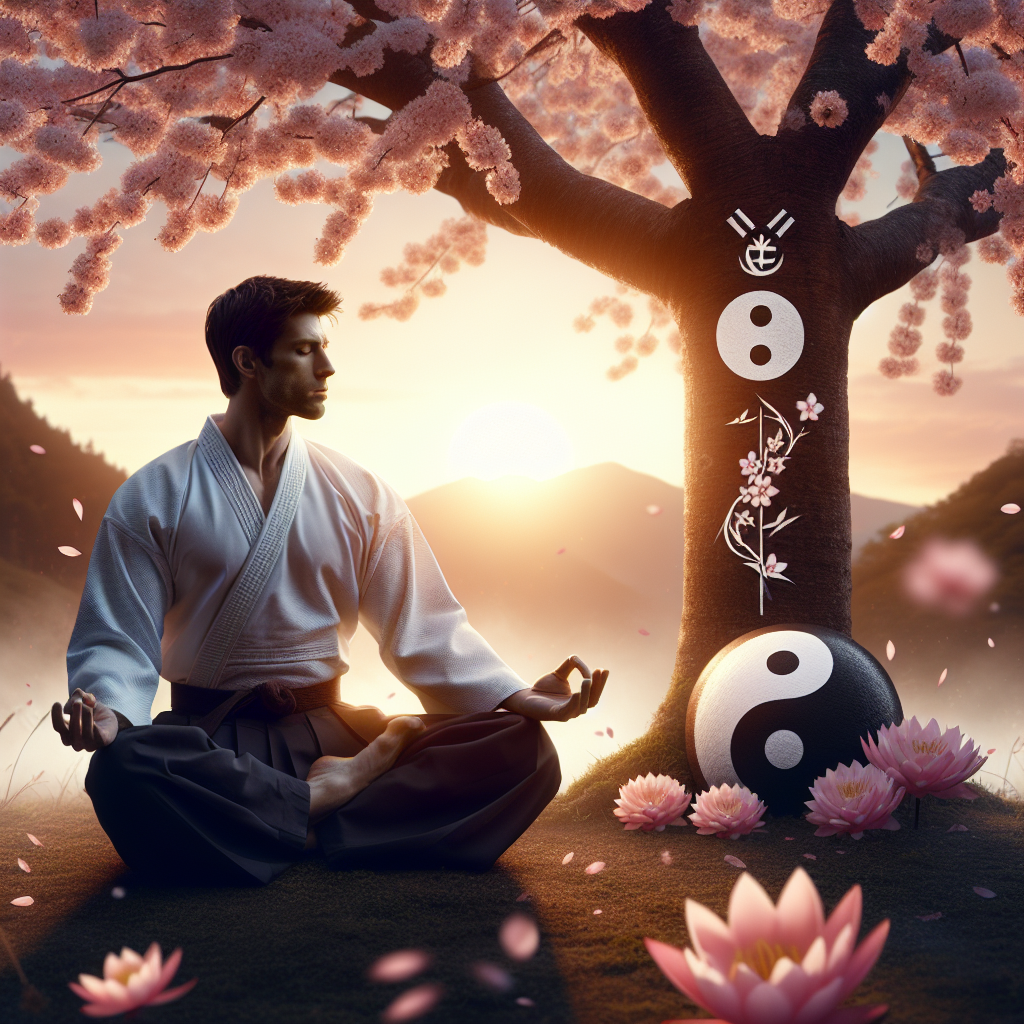
– **Mindfulness and Meditation**: Many martial arts incorporate meditation and mindfulness practices, encouraging practitioners to focus on the present moment and cultivate a deep sense of awareness. This mindfulness leads to greater emotional resilience and a more profound understanding of oneself.
– **Philosophical Teachings**: Martial arts are often accompanied by philosophical teachings that emphasize values such as humility, respect, and compassion. These teachings encourage practitioners to reflect on their actions and their impact on others, fostering a sense of empathy and moral integrity.
– **Energy Flow and Balance**: Concepts such as Qi (or Chi) in Chinese martial arts and Ki in Japanese practices highlight the importance of energy flow and balance. Practitioners learn to harness and direct their internal energy, promoting physical health and spiritual harmony.
The Mental Benefits of Martial Arts
Beyond the physical and spiritual aspects, traditional martial arts offer significant mental benefits. The practice enhances cognitive function, improves concentration, and boosts mental clarity.
– **Focus and Concentration**: Martial arts require intense focus and concentration, as practitioners must be fully present to execute techniques accurately. This heightened state of focus translates into improved attention and concentration in other areas of life.
– **Stress Reduction**: The meditative aspects of martial arts, combined with physical exertion, help reduce stress and anxiety. Practitioners often report feeling more relaxed and centered after training sessions, which contributes to overall mental well-being.
– **Problem-Solving Skills**: Martial arts encourage critical thinking and strategic problem-solving. Practitioners learn to assess situations quickly and make decisions under pressure, skills that are valuable in both personal and professional settings.
The Role of the Sensei or Master
In traditional martial arts, the relationship between the practitioner and their sensei or master is of utmost importance. The sensei serves as a guide, imparting not only technical knowledge but also wisdom and life lessons.
– **Mentorship**: The sensei provides mentorship, helping practitioners navigate their martial arts journey and personal development. This mentorship fosters a sense of accountability and encourages continuous growth.
– **Role Model**: A sensei embodies the principles and values of martial arts, serving as a role model for students. This relationship inspires practitioners to emulate these values in their own lives.
– **Feedback and Guidance**: Constructive feedback from a sensei helps practitioners refine their techniques and deepen their understanding of martial arts. This guidance is crucial for personal and spiritual growth, as it encourages reflection and self-improvement.
The Community Aspect of Martial Arts
Traditional martial arts foster a sense of community and belonging. Practitioners often form strong bonds with their peers, creating a supportive environment that enhances personal growth.
– **Shared Values**: Martial arts communities are built on shared values and goals, promoting a sense of unity and camaraderie. This shared purpose strengthens relationships and encourages mutual support.
– **Collaborative Learning**: Practitioners learn from one another, sharing insights and experiences. This collaborative learning environment fosters personal growth and reinforces the importance of humility and respect.
– **Cultural Exchange**: Many martial arts schools embrace cultural exchange, exposing practitioners to diverse perspectives and traditions. This exposure broadens horizons and deepens cultural understanding.
Conclusion
Traditional martial arts offer a unique pathway to spiritual growth and discipline, blending physical training with philosophical teachings and mindfulness practices. These ancient arts cultivate discipline, enhance mental clarity, and promote a deeper understanding of oneself and the world. Through structured training, philosophical teachings, and the guidance of a sensei, practitioners embark on a journey of self-discovery and personal development. The community aspect of martial arts further enriches this experience, fostering a sense of belonging and shared purpose. As individuals continue to explore the depths of traditional martial arts, they uncover not only the secrets of combat but also the profound wisdom that has been passed down through generations.
