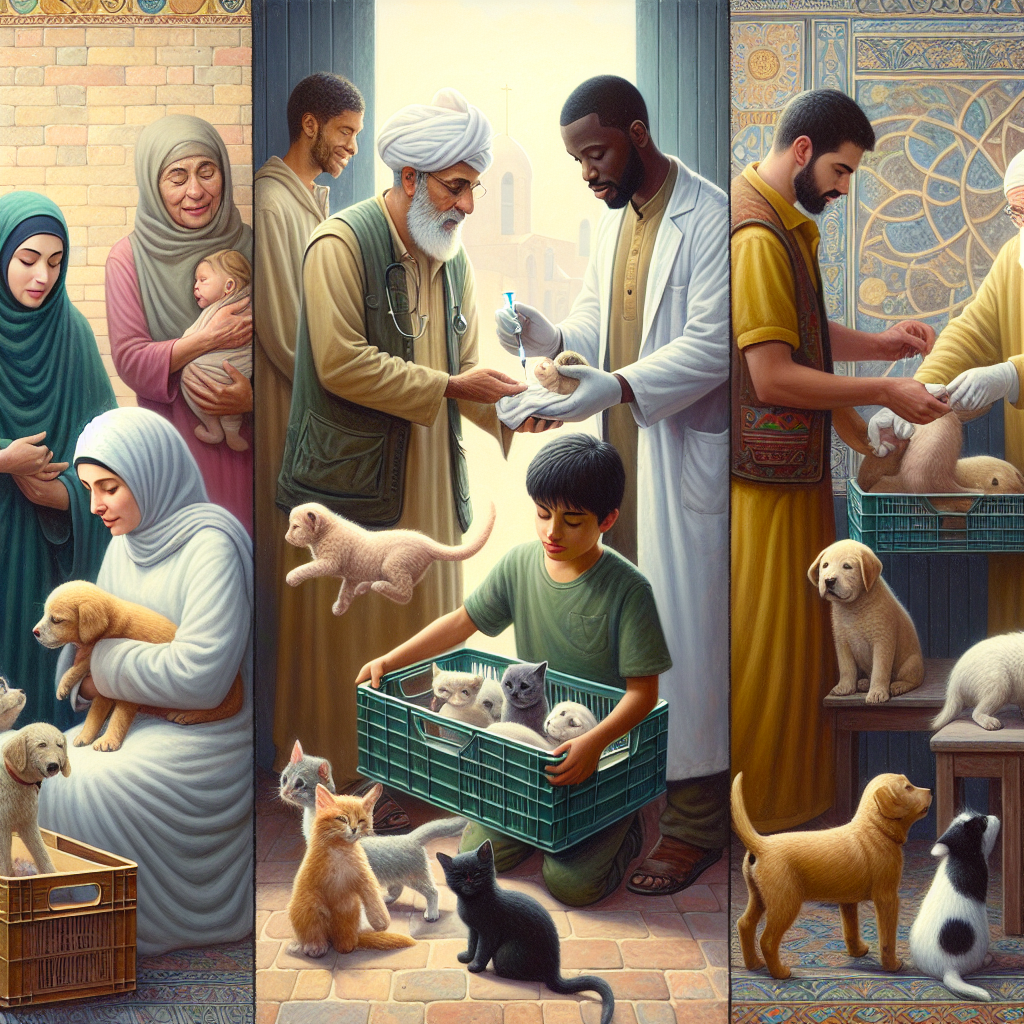
The Power of Animal Rescue and Adoption in Cultivating Compassion
Introduction
In a world where the pace of life often overshadows the simple joys and responsibilities of compassionate living, the act of rescuing and adopting animals emerges as a beacon of empathy and kindness. This practice not only transforms the lives of countless animals but also enriches the human experience, fostering a culture of compassion and understanding. The power of animal rescue and adoption lies in its ability to bridge the gap between species, encouraging a deep sense of responsibility and nurturing within individuals and communities.
Understanding Animal Rescue and Adoption
Animal rescue and adoption involve the process of saving animals from dire situations, such as neglect, abuse, or abandonment, and providing them with a second chance at life in a loving home. Animal shelters and rescue organizations play a crucial role in this process, offering temporary refuge and care for animals until they find their forever homes. These organizations often rely on the dedication and compassion of volunteers and staff who work tirelessly to ensure the well-being of the animals in their care.
The Impact of Animal Rescue on Animals
Rescuing an animal from a shelter or rescue organization can have a profound impact on the animal’s life. Many animals in shelters come from backgrounds of neglect or abuse, and the opportunity to be adopted into a loving home can be transformative. The benefits of animal rescue for the animals include:
– Improved physical health: Animals in shelters often receive necessary medical care, vaccinations, and spaying or neutering, which contribute to their overall health and well-being.
– Enhanced mental well-being: The transition from a stressful or neglectful environment to a caring home can significantly improve an animal’s mental health, reducing anxiety and fear.
– Increased lifespan: Animals that are adopted from shelters often live longer, healthier lives due to the care and attention they receive in a loving home.
The Role of Adoption in Cultivating Compassion
Adopting an animal is not merely an act of charity; it is a commitment that fosters compassion and empathy within individuals and families. The process of adoption encourages people to consider the needs and emotions of another living being, promoting a sense of responsibility and care. The benefits of adoption in cultivating compassion include:
– Developing empathy: Caring for an adopted animal requires individuals to understand and respond to the animal’s emotional and physical needs, fostering empathy and sensitivity.
– Building patience and understanding: Animals, especially those from difficult backgrounds, may require time to adjust to their new environment. This process teaches adopters patience and understanding, qualities that are essential in cultivating compassion.
– Strengthening family bonds: Adopting an animal can bring families closer together, as they work collectively to care for and nurture their new family member.
The Broader Impact on Society
The effects of animal rescue and adoption extend beyond individual households, influencing communities and society as a whole. By promoting a culture of compassion and responsibility, animal rescue and adoption contribute to a more empathetic and humane society. The broader impact includes:
– Reducing animal overpopulation: Adoption helps to alleviate the problem of animal overpopulation by providing homes for animals that might otherwise remain in shelters or face euthanasia.
– Encouraging responsible pet ownership: Adoption often involves education about responsible pet care, including the importance of spaying and neutering, regular veterinary care, and proper nutrition.
– Inspiring community involvement: Animal rescue and adoption can inspire individuals to become more involved in their communities, whether through volunteering at local shelters, participating in fundraising events, or advocating for animal welfare legislation.
Challenges and Considerations in Animal Rescue and Adoption
While the benefits of animal rescue and adoption are numerous, the process is not without its challenges. Prospective adopters and rescue organizations must navigate a range of considerations to ensure the successful integration of animals into new homes. Key challenges and considerations include:
– Assessing compatibility: Ensuring that the animal’s temperament and needs align with the adopter’s lifestyle and capabilities is crucial for a successful adoption.
– Providing ongoing support: Adopters may require guidance and support as they adjust to their new roles as pet owners, particularly if the animal has special needs or behavioral issues.
– Addressing misconceptions: Some individuals may harbor misconceptions about shelter animals, believing them to be damaged or less desirable. Education and awareness campaigns can help to dispel these myths and promote adoption.
The Role of Education and Awareness
Education and awareness are vital components of promoting animal rescue and adoption. By informing the public about the benefits and responsibilities of adoption, organizations can encourage more people to consider adopting animals from shelters. Effective education and awareness strategies include:
– Public awareness campaigns: Utilizing various media platforms to highlight the stories of rescued animals and the positive impact of adoption can inspire others to adopt.
– School programs: Introducing animal welfare education in schools can cultivate compassion and empathy in young people, encouraging future generations to value and protect animals.
– Community workshops: Hosting workshops and seminars on topics related to animal care and adoption can provide valuable information and resources to prospective adopters.
Success Stories and Inspirational Examples
The power of animal rescue and adoption is best illustrated through the countless success stories and inspirational examples of transformed lives. These stories serve as a testament to the profound impact that adoption can have on both animals and humans. Some notable examples include:
– The story of a neglected dog finding a loving home and becoming a certified therapy animal, bringing joy and comfort to hospital patients and nursing home residents.
– A family adopting a senior cat from a shelter, providing a peaceful and loving environment for the cat’s remaining years, and teaching their children about compassion and empathy.
– A community coming together to rescue and rehabilitate a group of abandoned horses, demonstrating the power of collective action and compassion in addressing animal welfare issues.
Conclusion
The power of animal rescue and adoption in cultivating compassion cannot be overstated. This practice not only transforms the lives of individual animals but also enriches the human experience, fostering a culture of empathy, responsibility, and kindness. By understanding the impact of animal rescue and adoption, addressing challenges, and promoting education and awareness, individuals and communities can work together to create a more compassionate and humane society. As more people embrace the joys and responsibilities of adopting animals, the ripple effects of compassion will continue to spread, touching the lives of countless beings and inspiring a brighter future for all.
