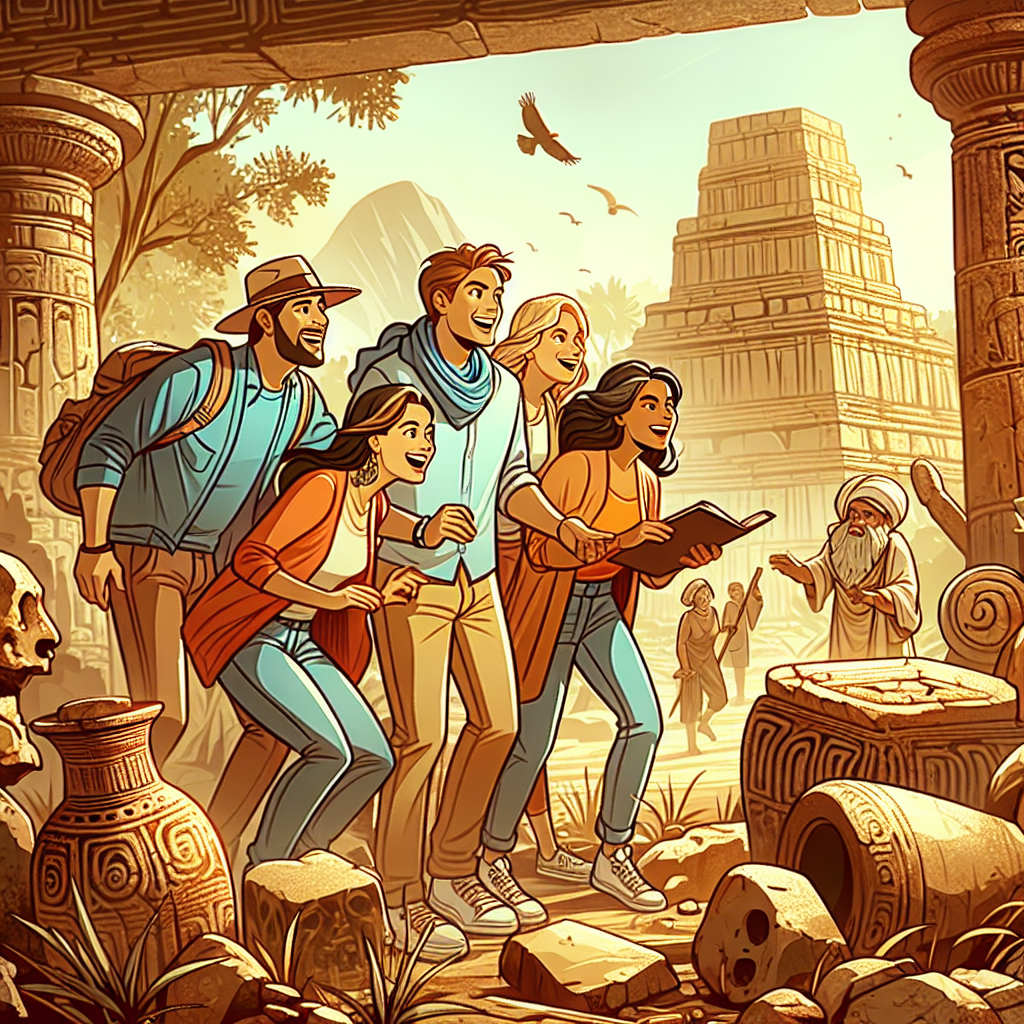
Exploring Historic Sites and Ancient Ruins: A Journey Through Time
Introduction
The allure of historic sites and ancient ruins is undeniable. These remnants of past civilizations offer a unique glimpse into the lives, cultures, and innovations of our ancestors. From the towering pyramids of Egypt to the intricate temples of Southeast Asia, these sites are not just relics of the past but are also crucial to understanding human history and development. This article delves into the joy and significance of exploring historic sites and ancient ruins, offering insights into why these experiences are both educational and profoundly moving.
The Significance of Historic Sites
Historic sites serve as tangible connections to our past, providing insights into the cultural, social, and technological advancements of ancient civilizations. They are more than just physical structures; they are the embodiment of human ingenuity, creativity, and resilience.
– **Cultural Heritage**: Historic sites are vital in preserving cultural heritage. They offer a window into the traditions, beliefs, and daily lives of people from different eras and regions.
– **Educational Value**: These sites are invaluable educational resources. They provide firsthand experiences that textbooks cannot replicate, allowing visitors to engage with history in a meaningful way.
– **Architectural Marvels**: Many historic sites are architectural wonders, showcasing the advanced engineering and artistic skills of ancient builders. They inspire awe and admiration for the sophisticated techniques used in their construction.
The Joy of Exploration
Exploring historic sites and ancient ruins is a journey of discovery. It is an opportunity to step back in time and witness the grandeur and complexity of civilizations long gone. The joy of exploration lies in the following aspects:
– **Immersive Experience**: Walking through ancient ruins allows visitors to immerse themselves in history. The sights, sounds, and even the smells of these sites create a sensory experience that brings history to life.
– **Personal Connection**: Visiting historic sites often evokes a personal connection to the past. It fosters a sense of wonder and curiosity, prompting visitors to reflect on their place in the continuum of human history.
– **Adventure and Exploration**: The thrill of discovering hidden corners and lesser-known sites adds an element of adventure to the exploration. Each site has its own story, waiting to be uncovered by the curious traveler.
Notable Historic Sites and Ancient Ruins
The world is dotted with historic sites and ancient ruins, each with its own unique story. Here are some of the most notable sites that continue to captivate visitors from around the globe:
1. **The Pyramids of Giza, Egypt**
– These iconic structures are among the most recognizable symbols of ancient civilization. Built as tombs for pharaohs, the pyramids demonstrate the Egyptians’ advanced understanding of mathematics and engineering.
2. **Machu Picchu, Peru**
– Nestled high in the Andes Mountains, Machu Picchu is a testament to the architectural prowess of the Inca civilization. Its terraces, temples, and intricate stonework continue to intrigue archaeologists and historians.
3. **The Colosseum, Italy**
– This ancient amphitheater in Rome is a marvel of Roman engineering. It hosted gladiatorial contests and public spectacles, offering insights into the social and political life of ancient Rome.
4. **Angkor Wat, Cambodia**
– As the largest religious monument in the world, Angkor Wat is a masterpiece of Khmer architecture. Its intricate carvings and expansive layout reflect the spiritual and cultural aspirations of the Khmer Empire.
5. **Petra, Jordan**
– Known as the Rose City, Petra is famous for its rock-cut architecture and water conduit system. It was the capital of the Nabataean Kingdom and remains a symbol of their ingenuity and artistry.
The Challenges of Preservation
While historic sites offer immense value, they also face numerous challenges. Preservation is a critical issue, as these sites are vulnerable to natural and human-induced threats.
– **Environmental Factors**: Weathering, erosion, and climate change pose significant risks to ancient structures. Preservation efforts must address these challenges to ensure the longevity of these sites.
– **Tourism Impact**: While tourism provides essential funding for preservation, it can also lead to damage and degradation. Managing visitor numbers and promoting sustainable tourism practices are crucial to protecting historic sites.
– **Political and Economic Instability**: In some regions, political instability and economic constraints hinder preservation efforts. International cooperation and support are often necessary to safeguard these sites for future generations.
The Role of Technology in Preservation
Advancements in technology have revolutionized the preservation and exploration of historic sites. Cutting-edge tools and techniques are being employed to protect and study these invaluable cultural treasures.
– **3D Scanning and Modeling**: These technologies allow for the creation of detailed digital replicas of historic sites, aiding in both preservation and research.
– **Drones and Satellite Imaging**: Drones and satellites provide aerial views and data that are invaluable for mapping and monitoring sites, particularly in remote or inaccessible areas.
– **Virtual Reality and Augmented Reality**: These immersive technologies offer new ways to experience historic sites, making them accessible to a broader audience and enhancing educational opportunities.
The Future of Historic Site Exploration
As we look to the future, the exploration of historic sites and ancient ruins will continue to evolve. The integration of technology, combined with a growing awareness of the importance of preservation, promises to enhance our understanding and appreciation of these sites.
– **Sustainable Tourism**: Emphasizing sustainable tourism practices will ensure that historic sites remain accessible and protected. This includes promoting responsible visitor behavior and supporting local communities.
– **Global Collaboration**: International cooperation is essential for the preservation of historic sites. Collaborative efforts can lead to more effective conservation strategies and increased funding for preservation projects.
– **Innovative Research**: Ongoing research and technological advancements will continue to uncover new insights into ancient civilizations, enriching our understanding of human history.
Conclusion
The joy of exploring historic sites and ancient ruins lies in the opportunity to connect with the past, to walk in the footsteps of those who came before us, and to marvel at the achievements of ancient civilizations. These sites are not only cultural treasures but also sources of inspiration and education. As we continue to explore and preserve these remnants of history, we ensure that future generations can also experience the wonder and significance of these extraordinary places.
