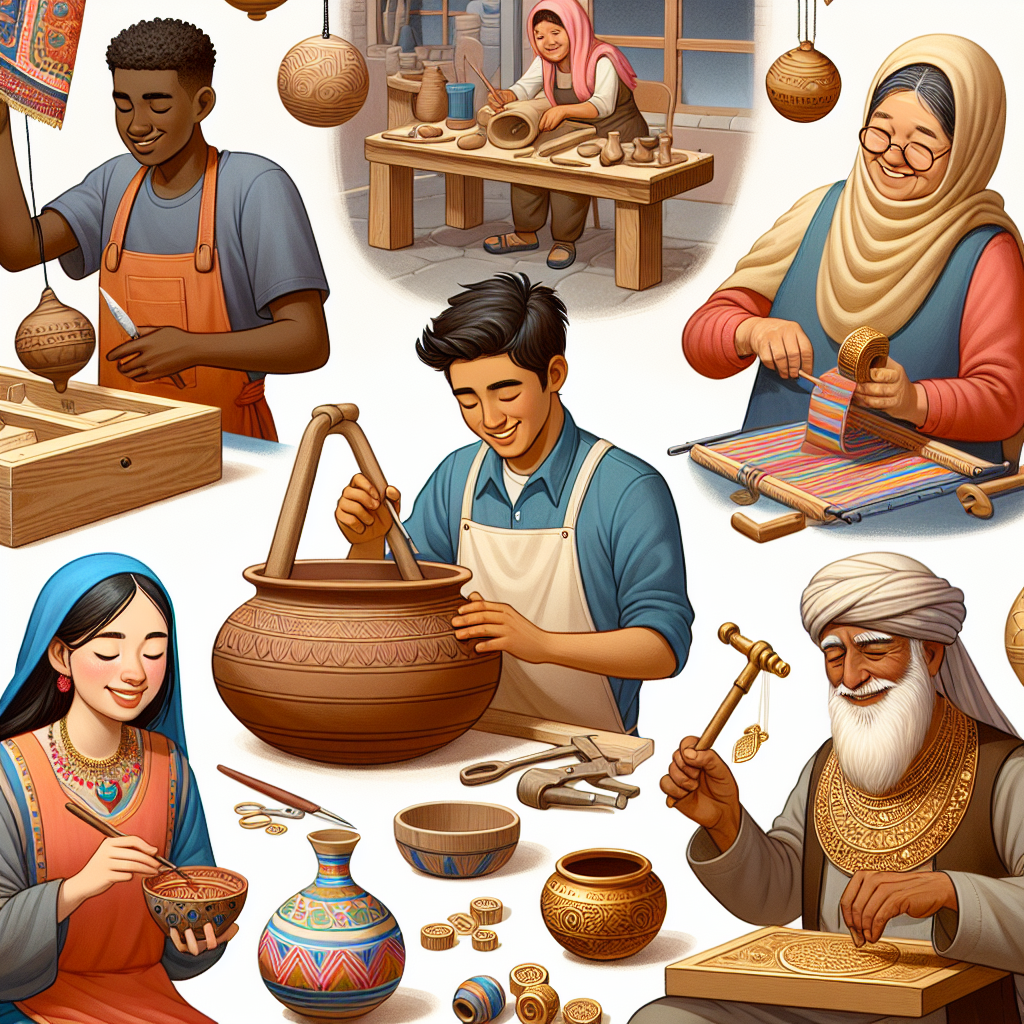
The Joy of Learning Traditional Handicrafts and Artisan Skills
Introduction
In an era dominated by technology and mass production, the allure of traditional handicrafts and artisan skills is experiencing a renaissance. These age-old crafts, once considered the norm, are now cherished for their authenticity, cultural significance, and the personal fulfillment they bring. Learning these skills not only connects individuals to their heritage but also fosters creativity, patience, and a sense of accomplishment. This article explores the joy of immersing oneself in the world of traditional handicrafts, highlighting their cultural importance, the benefits of acquiring such skills, and the ways in which they contribute to personal and communal growth.
Cultural Significance of Traditional Handicrafts
A Bridge to the Past
Traditional handicrafts serve as a tangible link to our ancestors, offering insights into their daily lives, values, and artistic expressions. Each craft carries a story, passed down through generations, that reflects the cultural identity and historical context of a community. Whether it is the intricate patterns of a Persian carpet, the delicate brushstrokes of Chinese calligraphy, or the vibrant hues of Indian block printing, these crafts encapsulate the essence of their origins.
Preserving Cultural Heritage
In a rapidly globalizing world, the preservation of cultural heritage has become increasingly important. Traditional handicrafts play a crucial role in this endeavor, acting as custodians of cultural diversity. By learning and practicing these skills, individuals contribute to the preservation of their heritage, ensuring that these art forms are not lost to time. This preservation also fosters a sense of pride and belonging within communities, strengthening social bonds and promoting cultural continuity.
The Benefits of Learning Traditional Handicrafts
Enhancing Creativity and Problem-Solving Skills
Engaging in traditional handicrafts requires creativity and innovation. Artisans often face challenges that demand problem-solving skills, such as selecting the right materials, refining techniques, or adapting designs to suit modern tastes. This creative process encourages learners to think critically and develop unique solutions, enhancing their ability to tackle complex problems in various aspects of life.
Promoting Mindfulness and Patience
The practice of traditional handicrafts is inherently meditative, requiring focus and attention to detail. This mindfulness fosters a sense of calm and tranquility, allowing individuals to disconnect from the fast-paced demands of modern life. Additionally, the meticulous nature of these crafts cultivates patience, as artisans learn to appreciate the time and effort required to create something truly beautiful.
Building Self-Esteem and Confidence
Completing a handcrafted item instills a sense of accomplishment and pride. The tangible results of one’s efforts serve as a testament to their skill and dedication, boosting self-esteem and confidence. This newfound confidence often extends beyond the realm of craftsmanship, empowering individuals to pursue other personal and professional goals with renewed vigor.
Fostering Community and Connection
Learning traditional handicrafts often involves collaboration and mentorship, fostering a sense of community and connection. Workshops, classes, and craft fairs provide opportunities for individuals to share their knowledge, exchange ideas, and build relationships with like-minded enthusiasts. These interactions not only enhance the learning experience but also contribute to a supportive network that encourages personal and collective growth.
Exploring Different Types of Traditional Handicrafts
Textile Arts
Textile arts encompass a wide range of crafts, including weaving, embroidery, and quilting. Each technique offers a unique avenue for creative expression, allowing artisans to experiment with colors, patterns, and textures. Weaving, for example, involves interlacing threads to create fabric, while embroidery embellishes textiles with decorative stitching. Quilting, on the other hand, combines layers of fabric to produce intricate designs and patterns.
Pottery and Ceramics
Pottery and ceramics have been integral to human civilization for thousands of years. This craft involves shaping clay into functional or decorative objects, which are then fired in a kiln to achieve durability. The process requires precision and skill, as artisans must carefully control the temperature and timing of the firing process to achieve the desired results. The tactile nature of working with clay provides a satisfying sensory experience, making it a popular choice for those seeking to explore traditional crafts.
Woodworking
Woodworking encompasses a variety of techniques, including carving, joinery, and woodturning. This craft requires a keen eye for detail and a steady hand, as artisans transform raw wood into functional or decorative items. The versatility of wood as a material allows for endless possibilities, from intricate sculptures to finely crafted furniture. Woodworking also emphasizes sustainability, as artisans often use locally sourced or reclaimed materials to minimize environmental impact.
Metalworking
Metalworking involves shaping and manipulating metal to create objects ranging from jewelry to tools. This craft requires a combination of technical skill and artistic vision, as artisans must master techniques such as forging, casting, and soldering. The durability and versatility of metal make it an ideal medium for crafting items that are both functional and aesthetically pleasing.
Learning Opportunities and Resources
Workshops and Classes
Numerous workshops and classes are available for those interested in learning traditional handicrafts. These programs cater to a range of skill levels, from beginners to advanced practitioners, and offer hands-on instruction from experienced artisans. Participants can choose from a variety of crafts, allowing them to explore their interests and develop new skills in a supportive environment.
Online Tutorials and Courses
For those unable to attend in-person classes, online tutorials and courses provide a convenient alternative. Many platforms offer comprehensive guides and video demonstrations, allowing learners to progress at their own pace. These resources often include detailed instructions and tips from experts, ensuring that individuals can develop their skills with confidence.
Community Centers and Craft Guilds
Community centers and craft guilds are valuable resources for aspiring artisans. These organizations often host events, workshops, and exhibitions that promote traditional handicrafts and provide opportunities for networking and collaboration. By joining a craft guild or participating in community center activities, individuals can connect with fellow enthusiasts and gain access to a wealth of knowledge and experience.
Conclusion
The joy of learning traditional handicrafts and artisan skills lies in the rich tapestry of cultural heritage, personal growth, and creative expression they offer. By embracing these crafts, individuals not only preserve the legacy of their ancestors but also enrich their lives with newfound skills and experiences. As we continue to navigate an increasingly digital world, the timeless appeal of traditional handicrafts serves as a reminder of the beauty and value of human creativity and craftsmanship. Whether as a hobby, a profession, or a means of connecting with others, the pursuit of these skills promises a rewarding and fulfilling journey for all who embark upon it.
