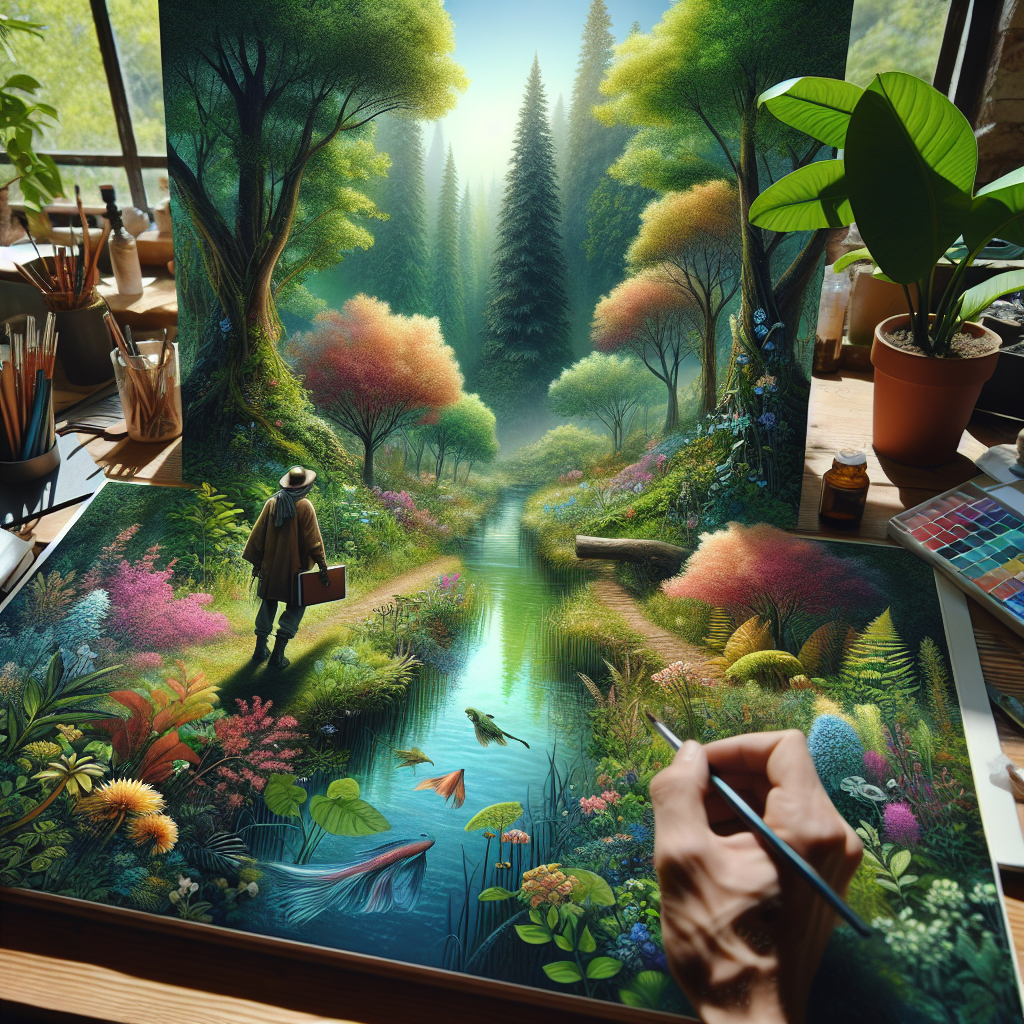
The Influence of Nature-Inspired Art in Personal Reflection and Growth
Introduction
The intersection of art and nature has been a profound source of inspiration throughout human history. Nature-inspired art, encompassing a wide range of mediums and styles, serves as a conduit for personal reflection and growth. This article explores how art influenced by the natural world can impact individual development, fostering self-awareness, emotional healing, and a deeper connection to the environment. By examining the historical context, psychological benefits, and contemporary practices, we can appreciate the transformative power of nature-inspired art.
The Historical Context of Nature-Inspired Art
Art has always mirrored the world in which it exists. From the cave paintings of prehistoric times to the intricate landscapes of the Romantic era, nature has been a central theme in artistic expression. This section delves into the historical evolution of nature-inspired art and its enduring significance.
Ancient and Classical Art
– Early humans depicted animals and natural scenes in cave paintings, reflecting their symbiotic relationship with nature.
– In ancient civilizations such as Egypt, Greece, and Rome, nature played a crucial role in mythology and art, symbolizing divine power and human connection to the cosmos.
Renaissance to Romanticism
– The Renaissance period saw a revival of interest in the natural world, with artists like Leonardo da Vinci studying flora and fauna to enhance their work.
– Romantic artists of the eighteenth and nineteenth centuries, such as J. M. W. Turner and Caspar David Friedrich, captured the sublime beauty of nature, emphasizing emotion and individual experience.
Modern and Contemporary Art
– In the modern era, artists like Georgia O’Keeffe and Andy Goldsworthy have continued to draw inspiration from nature, exploring themes of abstraction and environmentalism.
– Contemporary artists increasingly address ecological concerns, using nature-inspired art to advocate for sustainability and conservation.
The Psychological Benefits of Nature-Inspired Art
Engaging with nature-inspired art can have profound psychological effects, promoting mental well-being and personal growth. This section explores the various ways in which art influenced by nature contributes to emotional and cognitive development.
Enhancing Self-Awareness
– Nature-inspired art encourages introspection, allowing individuals to explore their thoughts and emotions in a safe and non-judgmental space.
– By reflecting on natural themes, individuals can gain insights into their values, beliefs, and personal identity.
Facilitating Emotional Healing
– Art therapy often incorporates nature-inspired elements to help individuals process trauma and express difficult emotions.
– The calming and restorative qualities of nature-themed art can reduce stress and anxiety, promoting emotional resilience.
Fostering Creativity and Innovation
– Nature’s complexity and diversity stimulate creative thinking, encouraging individuals to approach problems from new perspectives.
– Engaging with nature-inspired art can enhance cognitive flexibility, leading to innovative solutions and personal growth.
The Role of Nature-Inspired Art in Environmental Awareness
As environmental concerns become increasingly urgent, nature-inspired art plays a vital role in raising awareness and fostering a sense of stewardship. This section examines how art can inspire environmental consciousness and action.
Cultivating a Deep Connection to Nature
– Nature-inspired art highlights the beauty and fragility of the natural world, encouraging individuals to appreciate and protect it.
– By fostering a sense of wonder and reverence, art can motivate individuals to engage in sustainable practices and advocate for environmental conservation.
Promoting Ecological Literacy
– Art can serve as an educational tool, conveying complex ecological concepts in an accessible and engaging manner.
– Nature-inspired art can raise awareness of environmental issues, inspiring individuals to learn more about the natural world and their impact on it.
Encouraging Community Engagement
– Collaborative art projects centered on nature can bring communities together, fostering a collective sense of responsibility for the environment.
– Public art installations and exhibitions can serve as platforms for dialogue and action on environmental issues.
Contemporary Practices in Nature-Inspired Art
In today’s fast-paced world, artists continue to draw inspiration from nature, exploring new mediums and approaches. This section highlights contemporary practices in nature-inspired art and their impact on personal reflection and growth.
Digital Art and Technology
– Digital artists use technology to create immersive experiences that simulate natural environments, offering new ways to connect with nature.
– Virtual reality and augmented reality art can transport individuals to natural settings, promoting relaxation and reflection.
Sustainable Art Practices
– Many contemporary artists prioritize sustainability, using eco-friendly materials and processes in their work.
– Nature-inspired art that emphasizes sustainability can inspire individuals to adopt eco-conscious habits in their own lives.
Interactive and Participatory Art
– Interactive art installations invite individuals to engage with nature in a hands-on manner, fostering a deeper connection and understanding.
– Participatory art projects encourage collaboration and community involvement, promoting social cohesion and collective growth.
Conclusion
Nature-inspired art holds a unique power to influence personal reflection and growth. By connecting individuals to the natural world, it fosters self-awareness, emotional healing, and environmental consciousness. As we navigate the challenges of the modern era, the timeless allure of nature-inspired art reminds us of our intrinsic connection to the earth and each other. Through continued exploration and innovation, this artistic tradition will undoubtedly inspire future generations to reflect, grow, and protect the world we share.
