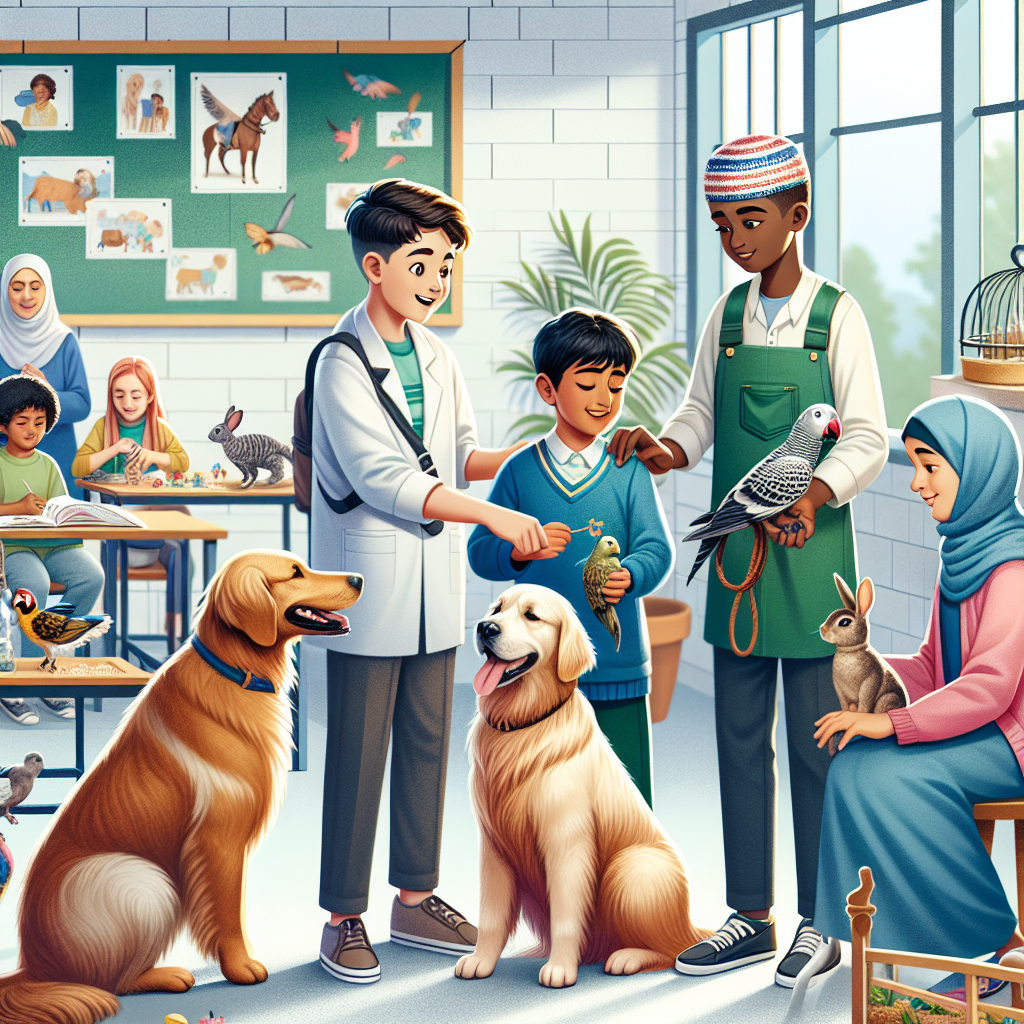
The Role of Animal-Assisted Learning in Special Education and Rehabilitation
Introduction
In recent years, the field of education has increasingly recognized the profound impact that animals can have on learning environments. This is particularly true in the realm of special education and rehabilitation, where animal-assisted learning (AAL) has emerged as a transformative approach. By integrating animals into educational and therapeutic settings, educators and therapists are discovering new ways to engage students with special needs, enhance their learning experiences, and facilitate rehabilitation processes. This article explores the role of animal-assisted learning in special education and rehabilitation, examining its benefits, implementation strategies, and potential challenges.
Understanding Animal-Assisted Learning
Animal-assisted learning involves the use of animals as part of the educational process to support cognitive, social, and emotional development. Unlike traditional educational methods, AAL leverages the unique bond between humans and animals to create an interactive and motivating learning environment. This approach is particularly beneficial for individuals with special needs, as it provides a multisensory experience that can be tailored to meet diverse learning styles and requirements.
Benefits of Animal-Assisted Learning in Special Education
Enhanced Engagement and Motivation
One of the primary benefits of animal-assisted learning is its ability to captivate and maintain students’ attention. Animals naturally evoke curiosity and interest, making learning sessions more engaging. This heightened engagement can lead to increased motivation, encouraging students to participate actively in educational activities.
Improved Social Skills
Interacting with animals can help students develop essential social skills. For individuals with special needs, forming connections with animals can be less intimidating than interacting with peers. This interaction can serve as a stepping stone for building relationships with others, fostering communication, empathy, and cooperation.
Emotional and Psychological Support
Animals provide unconditional acceptance and companionship, which can be especially comforting for students facing emotional challenges. The presence of animals has been shown to reduce anxiety, stress, and feelings of isolation. This emotional support creates a positive and safe learning environment, conducive to personal growth and development.
Cognitive Development
Animal-assisted learning can also enhance cognitive abilities. Activities involving animals often require problem-solving, critical thinking, and decision-making skills. These experiences can help improve memory, attention span, and overall cognitive function, contributing to academic success.
Animal-Assisted Learning in Rehabilitation
Physical Rehabilitation
In rehabilitation settings, animals can play a crucial role in physical therapy. Activities such as walking a dog or grooming a horse can improve motor skills, coordination, and balance. The presence of an animal can also motivate individuals to participate in exercises they might otherwise find challenging or tedious.
Emotional and Psychological Rehabilitation
Animals can be integral to emotional and psychological rehabilitation. Their non-judgmental presence can help individuals process trauma, build self-esteem, and develop coping mechanisms. By providing companionship and comfort, animals can aid in the recovery process for those dealing with mental health issues or emotional trauma.
Implementation Strategies for Animal-Assisted Learning
Selecting the Right Animal
The success of animal-assisted learning largely depends on selecting the appropriate animal for the specific educational or therapeutic context. Factors to consider include the animal’s temperament, size, and training. Commonly used animals include dogs, horses, rabbits, and even aquatic animals like dolphins.
Training and Certification
Both the animals and the handlers involved in AAL must undergo proper training and certification. This ensures that the animals are well-behaved and that the handlers can effectively facilitate interactions. Training programs should focus on animal behavior, safety protocols, and understanding the needs of individuals with special requirements.
Designing Tailored Programs
Animal-assisted learning programs should be tailored to meet the specific needs and goals of each participant. This requires collaboration between educators, therapists, and animal handlers to develop individualized plans. Programs should include clear objectives, structured activities, and regular assessments to monitor progress.
Integrating AAL into Existing Curricula
For AAL to be effective, it should be seamlessly integrated into existing educational or therapeutic curricula. This involves aligning animal-assisted activities with academic or rehabilitation goals. Educators and therapists should work together to ensure that AAL complements and enhances traditional methods rather than replacing them.
Challenges and Considerations
Health and Safety Concerns
One of the primary challenges of implementing animal-assisted learning is ensuring the health and safety of both participants and animals. This requires stringent hygiene practices, regular health checks for animals, and adherence to safety protocols. Additionally, considerations must be made for individuals with allergies or phobias.
Ethical Considerations
The welfare of the animals involved in AAL must be a priority. Ethical considerations include ensuring that animals are not overworked, stressed, or placed in situations that compromise their well-being. Organizations must adhere to ethical guidelines and standards for animal-assisted interventions.
Resource and Funding Constraints
Implementing animal-assisted learning programs can be resource-intensive. Costs associated with animal care, training, and program development can be significant. Securing funding and resources is crucial for the sustainability of AAL initiatives. Partnerships with organizations, grants, and community support can help address these challenges.
Conclusion
Animal-assisted learning represents a promising approach in the fields of special education and rehabilitation. By harnessing the unique bond between humans and animals, AAL offers a range of benefits, from enhanced engagement and social skills to emotional support and cognitive development. However, successful implementation requires careful planning, training, and ethical considerations. As the field continues to evolve, ongoing research and collaboration will be essential to maximize the potential of animal-assisted learning, ultimately improving the lives of individuals with special needs and those undergoing rehabilitation.
