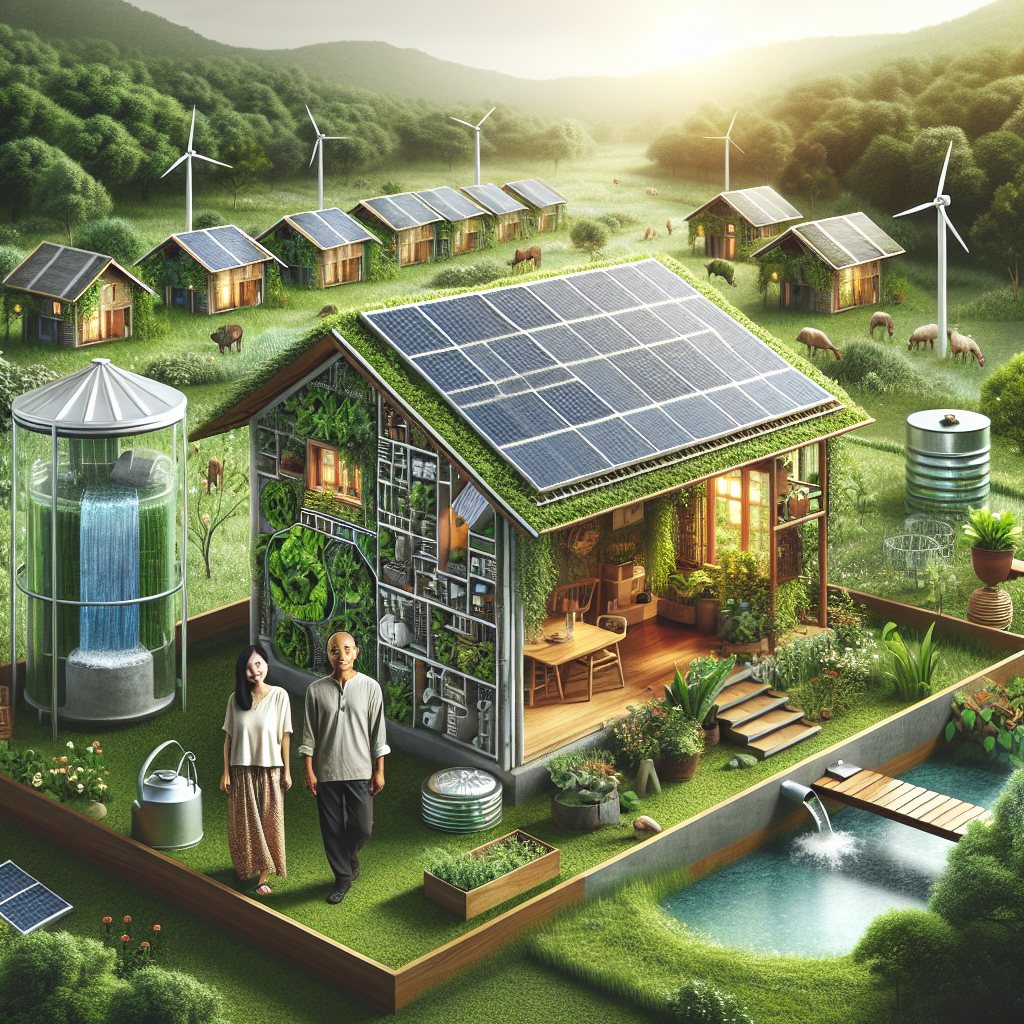
Achieving Happiness Through Sustainable Housing and Eco-Friendly Architecture
Introduction
In recent years, the quest for happiness has increasingly intersected with the drive for sustainability. As environmental concerns rise, individuals and communities are seeking ways to live in harmony with nature without compromising their quality of life. One significant avenue through which this balance can be achieved is sustainable housing and eco-friendly architecture. By integrating environmental considerations into the design and construction of living spaces, we can create environments that not only minimize ecological footprints but also enhance the well-being of their inhabitants.
The Importance of Sustainable Housing
Sustainable housing refers to residential buildings designed with the environment in mind, aiming to reduce energy consumption, minimize waste, and integrate renewable resources. The importance of sustainable housing extends beyond environmental benefits, influencing economic and social dimensions as well.
Environmental Benefits
– Reduction of Carbon Footprint: Sustainable housing utilizes materials and technologies that reduce greenhouse gas emissions, contributing to the fight against climate change.
– Conservation of Natural Resources: By using recycled materials and efficient construction methods, sustainable housing conserves resources like water and energy.
– Biodiversity Preservation: Eco-friendly architecture often incorporates green spaces and native vegetation, supporting local ecosystems and biodiversity.
Economic Advantages
– Energy Efficiency: Sustainable homes typically feature energy-efficient appliances, insulation, and solar panels, leading to lower utility bills.
– Increased Property Value: As demand for eco-friendly homes rises, properties with sustainable features tend to have higher market values.
– Long-term Savings: Although initial costs may be higher, the long-term savings on energy and maintenance make sustainable housing a financially sound investment.
Social Impact
– Improved Health and Well-being: Sustainable housing often incorporates natural lighting, ventilation, and non-toxic materials, promoting healthier indoor environments.
– Community Cohesion: Eco-friendly housing developments often foster a sense of community through shared spaces and sustainable practices, enhancing social interactions.
– Enhanced Quality of Life: Living in a sustainable environment can lead to increased satisfaction and happiness, as individuals feel they are contributing positively to the planet.
Principles of Eco-Friendly Architecture
Eco-friendly architecture focuses on designing buildings that are in harmony with the environment. This involves several key principles that guide architects and builders in creating sustainable structures.
Energy Efficiency
– Passive Solar Design: Buildings are oriented and designed to maximize natural light and heat, reducing the need for artificial lighting and heating.
– Insulation and Thermal Mass: High-quality insulation and materials with thermal mass help maintain comfortable indoor temperatures, reducing energy consumption.
– Energy-efficient Systems: Incorporating energy-efficient heating, cooling, and lighting systems reduces overall energy use.
Use of Sustainable Materials
– Recycled and Reclaimed Materials: Using recycled steel, reclaimed wood, and other materials reduces the demand for new resources.
– Locally Sourced Materials: Sourcing materials locally minimizes transportation emissions and supports local economies.
– Low-impact Materials: Choosing materials with minimal environmental impact, such as bamboo or recycled glass, reduces the ecological footprint.
Water Conservation
– Rainwater Harvesting: Collecting and storing rainwater for use in irrigation and plumbing reduces dependence on municipal water supplies.
– Efficient Plumbing Fixtures: Installing low-flow toilets and faucets conserves water without sacrificing performance.
– Landscaping with Native Plants: Using native vegetation reduces the need for irrigation and supports local biodiversity.
Integration of Green Spaces
– Green Roofs and Walls: Incorporating vegetation into building design improves air quality, reduces heat island effects, and provides aesthetic benefits.
– Community Gardens: Shared gardening spaces promote community interaction and provide access to fresh produce.
– Outdoor Living Spaces: Designing outdoor areas for relaxation and recreation enhances residents’ connection to nature.
The Role of Technology in Sustainable Housing
Technology plays a crucial role in advancing sustainable housing and eco-friendly architecture. Innovations in this field continue to push the boundaries of what is possible, making sustainable living more accessible and efficient.
Smart Home Systems
– Energy Management: Smart home systems allow residents to monitor and control energy use, optimizing efficiency and reducing waste.
– Automated Lighting and Climate Control: Automated systems adjust lighting and temperature based on occupancy and time of day, enhancing comfort and efficiency.
– Water Management: Smart irrigation systems and leak detection technologies help conserve water and prevent waste.
Renewable Energy Solutions
– Solar Power: Photovoltaic panels provide a renewable source of energy, reducing reliance on fossil fuels.
– Wind Energy: Small-scale wind turbines can supplement energy needs in areas with sufficient wind resources.
– Geothermal Heating and Cooling: Geothermal systems use the earth’s natural temperature to provide efficient heating and cooling.
Innovative Construction Techniques
– Prefabrication: Prefabricated construction reduces waste and energy use by assembling components off-site in controlled environments.
– 3D Printing: This technology allows for precise construction with minimal material waste, offering innovative design possibilities.
– Modular Design: Modular homes can be easily expanded or reconfigured, adapting to changing needs without significant resource use.
Case Studies in Sustainable Housing
Examining successful examples of sustainable housing and eco-friendly architecture provides valuable insights into best practices and potential challenges.
BedZED, United Kingdom
The Beddington Zero Energy Development (BedZED) is a pioneering eco-village in London that exemplifies sustainable living. Key features include:
– Energy Efficiency: BedZED uses passive solar heating, high insulation, and energy-efficient appliances to minimize energy use.
– Renewable Energy: The development incorporates solar panels and a biomass combined heat and power plant.
– Community Focus: Shared green spaces and community facilities foster social interaction and collaboration.
Vauban, Germany
Vauban is a sustainable district in Freiburg, Germany, known for its innovative approach to eco-friendly urban living. Highlights include:
– Car-free Living: The district prioritizes pedestrians and cyclists, reducing reliance on cars and lowering emissions.
– Green Building Standards: All buildings meet strict energy efficiency and sustainability criteria.
– Community Involvement: Residents actively participate in planning and decision-making, ensuring the district meets their needs and values.
Conclusion
As the world grapples with environmental challenges and the pursuit of happiness, sustainable housing and eco-friendly architecture offer a promising path forward. By integrating environmental, economic, and social considerations into the design and construction of living spaces, we can create environments that enhance well-being while preserving the planet for future generations. As technology advances and awareness grows, the potential for sustainable living continues to expand, offering hope for a happier, healthier, and more sustainable future.
