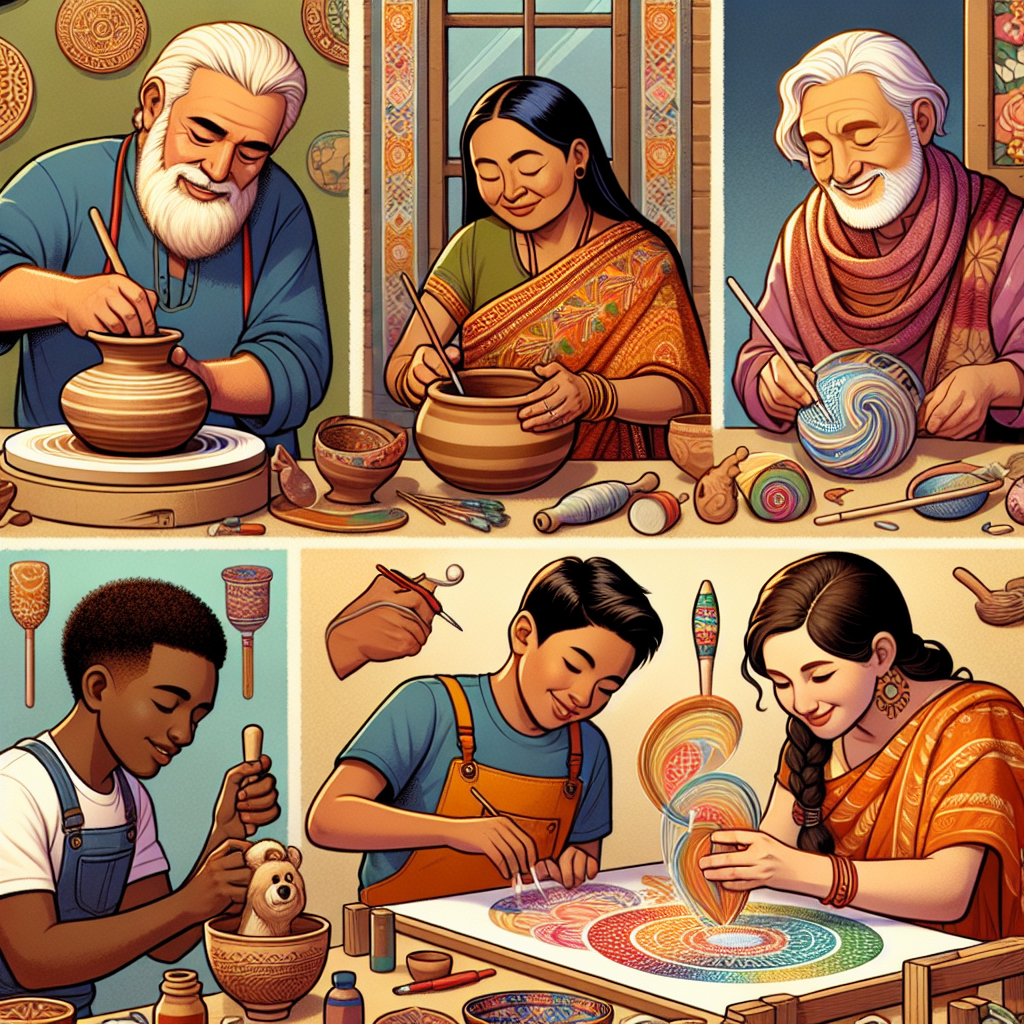
The Joy of Cultural Immersion Through Traditional Crafts and Artisanal Skills
In an increasingly globalized world, the significance of cultural preservation and appreciation has never been more paramount. As modern society leans toward technological advancements and mass production, the timeless beauty of traditional crafts and artisanal skills offers a refreshing retreat. These crafts not only serve as a testament to human creativity and ingenuity but also provide an enriching experience that fosters cultural understanding and appreciation. This article delves into the profound joy of cultural immersion through traditional crafts and artisanal skills, exploring their historical significance, educational value, and the personal fulfillment they offer.
Understanding the Historical Significance
Traditional crafts and artisanal skills are deeply rooted in the history and heritage of communities around the world. They are not merely objects of aesthetic value but are imbued with stories, beliefs, and practices that have been passed down through generations.
– **Cultural Identity**: Crafts such as pottery, weaving, and metalwork often reflect the cultural identity of a community. Each piece tells a story of the people who created it, offering insights into their way of life, values, and traditions.
– **Preservation of Heritage**: By engaging with traditional crafts, individuals contribute to the preservation of cultural heritage. This is particularly important in an era where many traditional practices are at risk of being lost.
– **Historical Documentation**: Artisanal skills serve as a form of historical documentation, capturing the essence of a time and place. They provide tangible links to the past and help maintain the continuity of cultural narratives.
The Educational Value of Traditional Crafts
Beyond their historical importance, traditional crafts and artisanal skills offer significant educational value. They provide unique learning opportunities that extend beyond conventional academic settings.
– **Hands-on Learning**: Engaging in crafts allows for hands-on learning, which can enhance cognitive and motor skills. This type of learning is particularly effective in fostering creativity and problem-solving abilities.
– **Cultural Education**: Through crafts, individuals gain a deeper understanding of different cultures. This education is not limited to the techniques and materials used but also encompasses the cultural context and significance of the craft.
– **Interdisciplinary Knowledge**: Traditional crafts often require a blend of skills and knowledge from various disciplines. For example, pottery involves an understanding of chemistry for glaze development, physics for kiln operation, and art for design and aesthetics.
Personal Fulfillment and Well-being
Involvement in traditional crafts and artisanal skills can also lead to personal fulfillment and improved well-being. The act of creating something with one’s hands is inherently rewarding and can have therapeutic benefits.
– **Mindfulness and Relaxation**: Crafting requires focus and attention, which can lead to a meditative state. This mindfulness helps reduce stress and promotes relaxation.
– **Sense of Accomplishment**: Completing a craft project provides a sense of accomplishment and boosts self-esteem. The tangible result of one’s effort serves as a reminder of personal capability and creativity.
– **Community and Connection**: Many traditional crafts are communal activities, fostering a sense of belonging and connection. Engaging in these activities can lead to the formation of supportive communities that share a passion for preserving cultural heritage.
Exploring Global Traditional Crafts
To appreciate the diversity and richness of traditional crafts, it is essential to explore examples from various cultures around the world. Each craft offers a unique glimpse into the cultural fabric of its origin.
– **Japanese Ikebana**: This traditional art of flower arrangement emphasizes harmony, balance, and simplicity. Ikebana is more than just arranging flowers; it is a disciplined art form that expresses the beauty of nature and the impermanence of life.
– **Indian Block Printing**: A centuries-old craft, block printing involves using carved wooden blocks to create intricate patterns on fabric. This technique reflects the vibrant colors and intricate designs characteristic of Indian textiles.
– **Mexican Talavera Pottery**: Originating in Puebla, this ceramic tradition is renowned for its distinctive blue and white designs. Talavera pottery is a fusion of Spanish, Italian, and indigenous Mexican techniques, showcasing a rich cultural exchange.
– **Norwegian Rosemaling**: This decorative painting style features floral motifs and scrollwork, often used to embellish furniture and household items. Rosemaling reflects the rural traditions of Norway and the influence of European baroque and rococo styles.
– **Ghanaian Kente Weaving**: Kente cloth is a symbol of African heritage and identity, characterized by its vibrant colors and intricate patterns. Each design holds specific meanings, reflecting the history and beliefs of the Akan people of Ghana.
The Role of Artisans in Modern Society
In the modern context, artisans play a crucial role in bridging the gap between tradition and innovation. They are the custodians of cultural heritage, ensuring that traditional crafts remain relevant and accessible.
– **Sustainability and Ethical Practices**: Artisans often employ sustainable practices, using locally sourced materials and environmentally friendly techniques. This approach aligns with the growing demand for ethical and sustainable products.
– **Innovation and Adaptation**: While preserving traditional techniques, artisans also adapt to contemporary tastes and trends. This innovation ensures that traditional crafts continue to thrive in a modern market.
– **Economic Empowerment**: Artisanal crafts provide economic opportunities for communities, particularly in rural and marginalized areas. By supporting artisans, consumers contribute to local economies and the preservation of cultural heritage.
Challenges and Opportunities
Despite their value, traditional crafts and artisanal skills face numerous challenges in the modern world. However, these challenges also present opportunities for growth and revitalization.
– **Globalization and Mass Production**: The rise of mass production threatens the survival of traditional crafts. However, there is a growing appreciation for handmade, unique products, which presents an opportunity for artisans to cater to niche markets.
– **Knowledge Transfer and Skill Preservation**: As older generations of artisans retire, there is a risk of losing valuable skills and knowledge. Initiatives focusing on education and apprenticeship can help preserve these skills for future generations.
– **Digital Platforms and Market Access**: The digital age offers artisans new platforms to showcase and sell their work globally. Online marketplaces and social media provide opportunities for artisans to reach wider audiences and connect with consumers directly.
The Future of Traditional Crafts
Looking ahead, the future of traditional crafts and artisanal skills is promising, provided there is continued support and appreciation from individuals, communities, and institutions.
– **Cultural Exchange and Collaboration**: Encouraging cultural exchange and collaboration can lead to the cross-pollination of ideas and techniques, enriching the world of traditional crafts.
– **Educational Programs and Workshops**: Expanding educational programs and workshops can inspire new generations to engage with traditional crafts, ensuring their survival and evolution.
– **Policy and Support**: Government policies and institutional support can play a crucial role in promoting and protecting traditional crafts. This includes funding, recognition, and initiatives aimed at preserving cultural heritage.
Conclusion
The joy of cultural immersion through traditional crafts and artisanal skills is a multifaceted experience that enriches both individuals and communities. By engaging with these timeless practices, we honor the past, celebrate the present, and pave the way for a future where cultural diversity and creativity continue to thrive. As we embrace the beauty and significance of traditional crafts, we contribute to a world that values heritage, sustainability, and the enduring power of human creativity.
