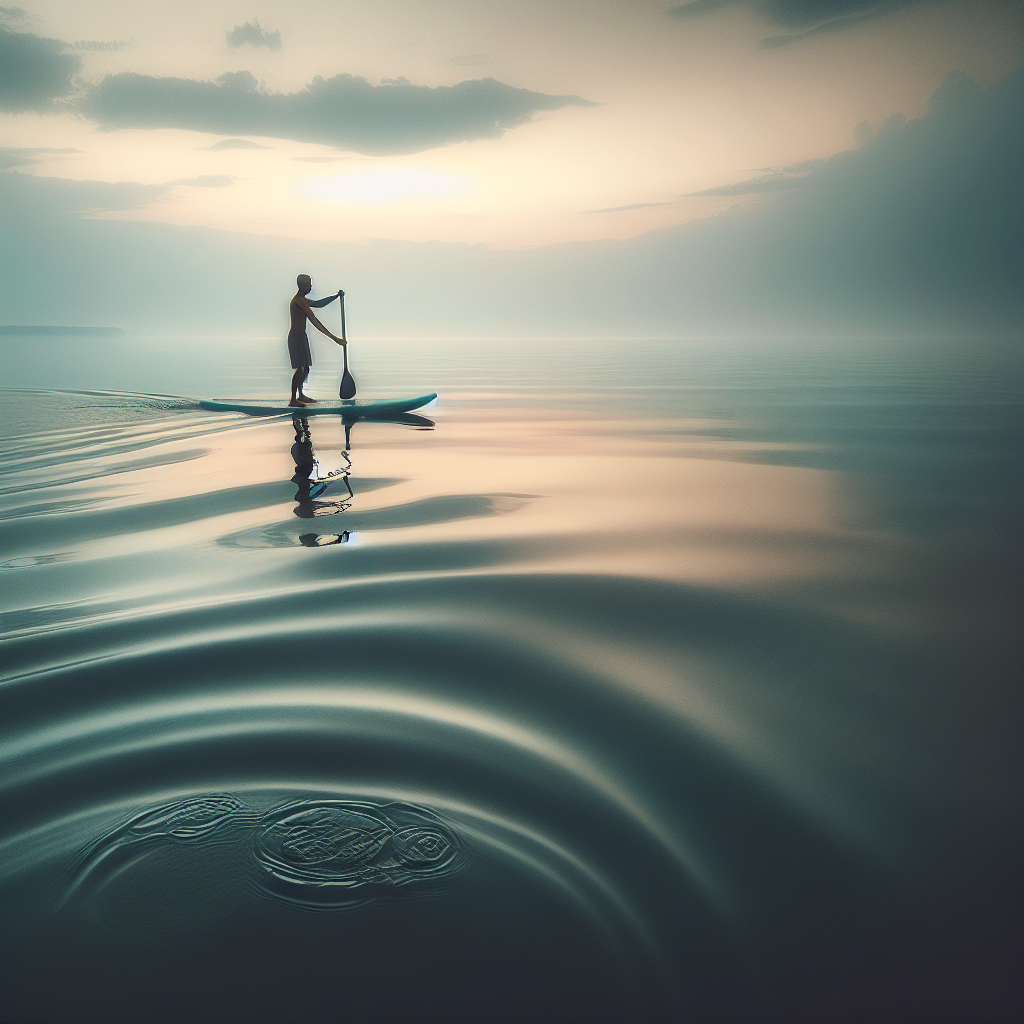
The Art of Mindful Stand-Up Paddleboarding: Finding Balance and Serenity on Water
Introduction
In recent years, stand-up paddleboarding has emerged as a popular activity that combines physical exercise with the tranquility of being on water. This water sport, which involves standing on a board and propelling oneself with a paddle, offers a unique opportunity to engage in a full-body workout while enjoying the serenity of natural surroundings. However, beyond its physical benefits, stand-up paddleboarding can also be a deeply mindful practice. By focusing on the present moment and cultivating awareness, individuals can find balance and serenity both on and off the water. This article explores the art of mindful stand-up paddleboarding, offering insights into its benefits, techniques, and how it can enhance one’s overall well-being.
The Rise of Stand-Up Paddleboarding
Stand-up paddleboarding, often abbreviated as SUP, has its roots in ancient Polynesian culture, where it was used as a means of transportation and fishing. In the modern era, it gained popularity in Hawaii in the 1940s and has since spread across the globe. Today, it is one of the fastest-growing water sports, attracting enthusiasts of all ages and fitness levels. The appeal of SUP lies in its accessibility; it can be practiced on various bodies of water, including oceans, lakes, and rivers. Moreover, it requires minimal equipment—a board, a paddle, and a personal flotation device—making it an affordable and versatile activity.
Benefits of Stand-Up Paddleboarding
Before delving into the mindful aspects of SUP, it is essential to understand its physical and mental benefits. Stand-up paddleboarding offers a comprehensive workout that engages multiple muscle groups, including the core, arms, legs, and back. The constant balancing required on the board enhances core strength and stability, while paddling builds upper body strength and endurance. Additionally, SUP is a low-impact exercise, making it suitable for individuals with joint concerns or those recovering from injuries.
Beyond its physical advantages, stand-up paddleboarding provides mental health benefits. Being on the water has a calming effect, reducing stress and anxiety levels. The rhythmic motion of paddling encourages a meditative state, allowing individuals to disconnect from daily pressures and immerse themselves in the present moment. The combination of physical exertion and mental relaxation makes SUP an ideal activity for holistic well-being.
The Principles of Mindfulness
Mindfulness is the practice of being fully present and engaged in the current moment without judgment. It involves paying attention to one’s thoughts, feelings, and sensations with an attitude of openness and curiosity. Mindfulness has been shown to reduce stress, improve focus, and enhance emotional resilience. When applied to stand-up paddleboarding, mindfulness can transform a simple water sport into a profound experience of self-discovery and inner peace.
Mindful Stand-Up Paddleboarding Techniques
To practice mindful stand-up paddleboarding, one must integrate mindfulness principles into the activity. Here are some techniques to help achieve this:
1. Setting an Intention
– Begin each paddleboarding session by setting a clear intention. This could be to focus on your breath, embrace the beauty of nature, or simply enjoy the sensation of gliding on water. Setting an intention helps anchor your mind and provides a sense of purpose.
2. Engaging the Senses
– Engage all your senses to fully immerse yourself in the experience. Notice the sound of water lapping against the board, the feeling of the paddle in your hands, and the sight of the surrounding landscape. By tuning into these sensory details, you can enhance your awareness and deepen your connection to the present moment.
3. Focusing on Breath
– Use your breath as a tool to maintain mindfulness. Pay attention to the rhythm of your breath as you paddle, allowing it to guide your movements. If your mind starts to wander, gently bring your focus back to your breath, using it as an anchor to the present.
4. Embracing Balance and Stability
– Stand-up paddleboarding inherently requires balance and stability. Embrace the challenge of maintaining equilibrium on the board as an opportunity to practice mindfulness. Notice the subtle shifts in your body and the adjustments needed to stay balanced. This awareness fosters a deeper connection between mind and body.
5. Practicing Gratitude
– Cultivate a sense of gratitude for the opportunity to be on the water. Acknowledge the beauty of your surroundings, the support of the board beneath you, and the strength of your body. Practicing gratitude enhances mindfulness and promotes a positive mindset.
The Connection Between Mindfulness and Nature
One of the unique aspects of stand-up paddleboarding is its close connection to nature. Being on water provides a sense of freedom and tranquility that is difficult to replicate elsewhere. The natural environment serves as a powerful backdrop for mindfulness practice, offering a space for reflection and introspection.
Research has shown that spending time in nature can improve mental health, reduce stress, and enhance overall well-being. When combined with mindfulness, the benefits are amplified. Paddleboarding allows individuals to escape the noise and distractions of everyday life, providing an opportunity to reconnect with the natural world and gain perspective.
Mindful Stand-Up Paddleboarding as a Stress Reliever
In today’s fast-paced world, stress is a common and often overwhelming experience. Mindful stand-up paddleboarding offers a valuable tool for managing stress and promoting relaxation. The combination of physical activity, mindfulness, and nature creates a powerful antidote to the pressures of modern life.
The rhythmic motion of paddling, coupled with the calming presence of water, induces a meditative state that can alleviate stress and anxiety. By focusing on the present moment and letting go of worries, individuals can experience a sense of peace and clarity. Additionally, the physical exertion involved in paddleboarding releases endorphins, the body’s natural mood elevators, further enhancing the stress-relieving effects.
Incorporating Mindful Stand-Up Paddleboarding into Daily Life
While stand-up paddleboarding may be a recreational activity for many, its principles can be applied to daily life to cultivate mindfulness and well-being. Here are some ways to incorporate mindful SUP practices into your routine:
1. Mindful Movement
– Practice mindful movement in everyday activities, such as walking or stretching. Pay attention to your body’s sensations and movements, mirroring the awareness cultivated on the paddleboard.
2. Breathing Exercises
– Incorporate breathing exercises into your daily routine to center yourself and reduce stress. Use deep, intentional breaths to ground yourself in the present moment.
3. Nature Walks
– Take regular walks in nature, allowing yourself to be fully present and engaged with your surroundings. Notice the sights, sounds, and smells, and let nature serve as a reminder of the mindfulness practiced on the water.
4. Gratitude Journaling
– Maintain a gratitude journal to reflect on the positive aspects of your life. Regularly acknowledging what you are grateful for can enhance mindfulness and promote a positive outlook.
Conclusion
The art of mindful stand-up paddleboarding offers a unique and enriching way to find balance and serenity on water. By integrating mindfulness principles into this popular water sport, individuals can enhance their physical and mental well-being. The practice encourages a deeper connection with nature, promotes stress relief, and fosters a sense of gratitude and presence. Whether a seasoned paddleboarder or a newcomer to the sport, embracing mindfulness on the water can lead to profound personal growth and a renewed appreciation for the beauty of the present moment. As you embark on your paddleboarding journey, remember that the true destination lies not in reaching a specific location, but in the journey itself and the mindfulness cultivated along the way.
