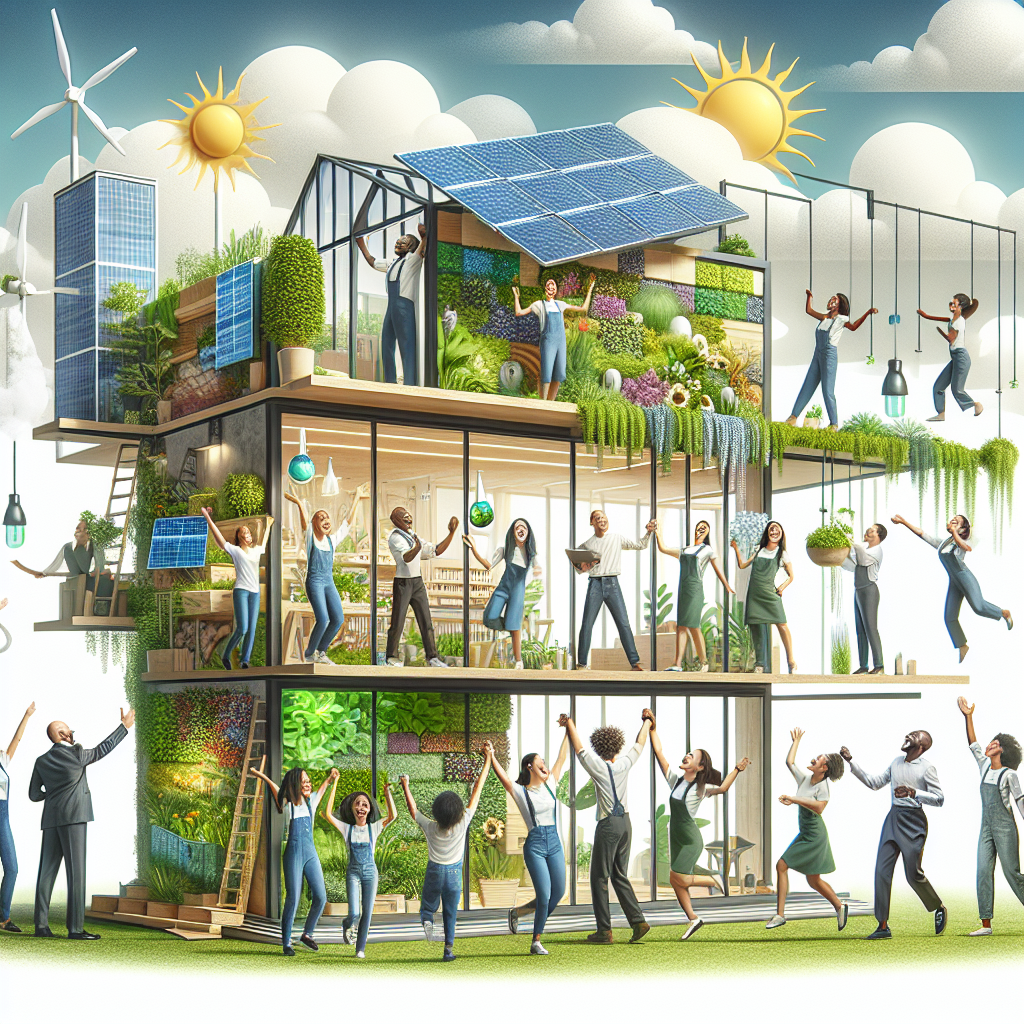
Achieving Happiness Through Sustainable Building and Green Architecture
In recent years, the conversation surrounding sustainability has permeated various aspects of human life, from the food we consume to the way we travel. Among these discussions, sustainable building and green architecture have emerged as pivotal components in the quest for a healthier planet. Beyond their environmental benefits, these practices also play a significant role in enhancing human happiness and well-being. This article delves into how sustainable building and green architecture can contribute to a happier and more fulfilling life.
Understanding Sustainable Building and Green Architecture
Before exploring the impact of sustainable building and green architecture on happiness, it is essential to understand what these concepts entail. Sustainable building refers to the design, construction, and operation of buildings in an environmentally responsible and resource-efficient manner. This approach considers the entire lifecycle of a building, from the initial planning stages through to demolition and recycling.
Green architecture, a subset of sustainable building, emphasizes the use of environmentally friendly materials and energy-efficient designs. It seeks to minimize the ecological footprint of buildings while maximizing occupant comfort and health. Key principles of green architecture include:
– Energy Efficiency: Utilizing renewable energy sources such as solar, wind, and geothermal power.
– Water Conservation: Implementing systems for rainwater harvesting and wastewater recycling.
– Material Selection: Using sustainable, non-toxic, and recyclable materials.
– Indoor Environmental Quality: Ensuring good ventilation, natural lighting, and non-toxic indoor environments.
The Connection Between Environment and Happiness
The relationship between the environment and human happiness is increasingly recognized by psychologists and environmental scientists alike. Our surroundings significantly influence our mood, behavior, and overall well-being. Green spaces, in particular, have been shown to reduce stress, improve mental health, and enhance life satisfaction.
Sustainable building and green architecture contribute to this positive environmental impact by creating spaces that are not only functional and aesthetically pleasing but also harmonious with nature. This connection to nature, often referred to as biophilia, is a fundamental aspect of human psychology. Incorporating natural elements into our living and working environments can lead to increased happiness and productivity.
The Psychological Benefits of Green Architecture
1. Enhanced Mental Health
Green architecture can significantly improve mental health by reducing stress and anxiety. Buildings designed with ample natural light, greenery, and open spaces create a calming atmosphere that promotes relaxation and mental clarity. Studies have shown that exposure to natural light can regulate circadian rhythms, leading to better sleep patterns and improved mood.
2. Increased Productivity
Work environments that incorporate sustainable building practices often see a boost in employee productivity. Natural lighting, good air quality, and comfortable temperatures contribute to higher levels of concentration and creativity. Employees working in green buildings report feeling more motivated and satisfied with their work.
3. Sense of Community
Sustainable buildings often include communal spaces that foster social interaction and a sense of community. These spaces encourage residents and workers to engage with one another, building stronger social networks and enhancing overall well-being. The sense of belonging and connection to others is a crucial component of happiness.
4. Connection to Nature
Green architecture often integrates natural elements such as indoor plants, green roofs, and living walls. These features not only improve air quality but also provide occupants with a connection to nature, which is known to have a calming and restorative effect on the human psyche. This connection can lead to increased feelings of happiness and contentment.
The Environmental Impact of Sustainable Building
Beyond the psychological benefits, sustainable building and green architecture have a profound impact on the environment. By reducing energy consumption, minimizing waste, and utilizing renewable resources, these practices contribute to a healthier planet. This environmental stewardship is inherently linked to human happiness, as a thriving natural world provides the resources and stability necessary for human flourishing.
1. Energy Efficiency and Carbon Reduction
Sustainable buildings are designed to minimize energy consumption through efficient insulation, advanced HVAC systems, and the use of renewable energy sources. By reducing reliance on fossil fuels, these buildings contribute to lower carbon emissions, mitigating the effects of climate change. This reduction in environmental impact can lead to a greater sense of purpose and fulfillment for individuals committed to sustainability.
2. Conservation of Natural Resources
Green architecture emphasizes the use of sustainable materials and water conservation techniques. By reducing the demand for natural resources, these practices help preserve ecosystems and biodiversity. This conservation effort aligns with the values of individuals who prioritize environmental responsibility, enhancing their sense of satisfaction and happiness.
3. Waste Reduction
Sustainable building practices focus on minimizing waste during construction and operation. This includes recycling construction materials, reducing water waste, and implementing efficient waste management systems. By contributing to a circular economy, sustainable buildings help reduce the strain on landfills and promote a cleaner environment, which in turn supports human health and happiness.
Case Studies: Successful Examples of Sustainable Building
To illustrate the positive impact of sustainable building and green architecture, it is helpful to examine real-world examples of successful projects. These case studies demonstrate how these practices can enhance both environmental sustainability and human happiness.
1. The Bullitt Center, Seattle
The Bullitt Center in Seattle is often referred to as the greenest commercial building in the world. This six-story office building was designed to meet the rigorous standards of the Living Building Challenge, a certification program that emphasizes sustainability and regenerative design. The Bullitt Center features solar panels, rainwater harvesting systems, and composting toilets. Its design prioritizes natural light and ventilation, creating a healthy and productive work environment for its occupants.
2. Bosco Verticale, Milan
Bosco Verticale, or Vertical Forest, is a pair of residential towers in Milan that incorporate extensive greenery into their design. The towers are home to over 900 trees and 20 thousand plants, creating a lush urban forest in the heart of the city. This innovative approach not only enhances the aesthetic appeal of the buildings but also improves air quality and provides residents with a connection to nature. Bosco Verticale has become a symbol of sustainable urban living and a source of pride for the community.
3. One Central Park, Sydney
One Central Park in Sydney is a mixed-use development that combines residential, commercial, and retail spaces. The building features a striking vertical garden that covers its façade, as well as a heliostat system that reflects sunlight into shaded areas. These design elements create a vibrant and sustainable urban environment that enhances the quality of life for its residents. One Central Park has received numerous accolades for its innovative approach to sustainable architecture.
The Future of Sustainable Building and Green Architecture
As the world continues to grapple with the challenges of climate change and urbanization, the importance of sustainable building and green architecture will only grow. These practices offer a pathway to a more sustainable and equitable future, where human happiness and environmental health are inextricably linked.
1. Technological Advancements
Advancements in technology will play a crucial role in the evolution of sustainable building. Innovations such as smart building systems, energy-efficient materials, and advanced renewable energy technologies will enable architects and builders to create even more sustainable and resilient structures. These advancements will further enhance the well-being of occupants and contribute to a healthier planet.
2. Policy and Regulation
Governments and regulatory bodies are increasingly recognizing the importance of sustainable building practices. Policies that incentivize green architecture, such as tax credits and grants, will encourage more developers to adopt these practices. Additionally, stricter building codes and regulations will ensure that sustainability becomes a standard component of construction projects.
3. Education and Awareness
Educating the public about the benefits of sustainable building and green architecture is essential for driving widespread adoption. Increased awareness will empower individuals to make informed choices about their living and working environments, leading to greater demand for sustainable buildings. This cultural shift will contribute to a more environmentally conscious society and a happier, healthier population.
Conclusion
Sustainable building and green architecture offer a powerful solution to some of the most pressing challenges facing humanity today. By creating spaces that prioritize environmental responsibility and human well-being, these practices contribute to a happier and more sustainable future. As individuals, communities, and societies embrace the principles of sustainability, the potential for enhanced happiness and fulfillment becomes increasingly attainable. Through thoughtful design and responsible construction, we can build a world where human happiness and environmental health go hand in hand.
