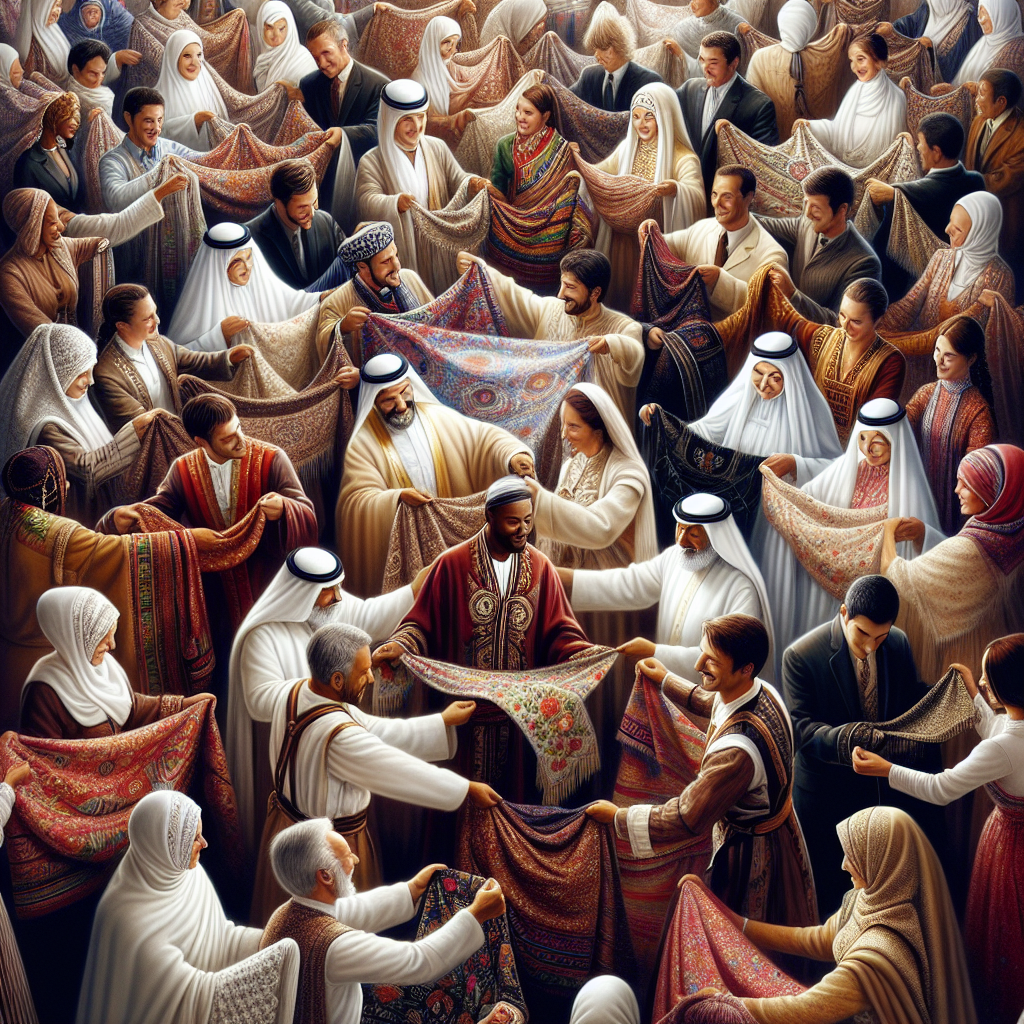
The Joy of Cultural Exchange Through Traditional Clothing and Textiles
Introduction
In an increasingly globalized world, cultural exchange has become a vital component of fostering understanding and appreciation among diverse communities. One of the most vivid and engaging forms of cultural exchange is through traditional clothing and textiles. These fabrics and garments tell stories of history, identity, and artistry, offering a unique lens through which to view and appreciate different cultures. This article explores the joy and significance of cultural exchange through traditional clothing and textiles, highlighting how these elements serve as bridges between people and nations.
The Historical Significance of Traditional Clothing and Textiles
Traditional clothing and textiles are deeply rooted in the history and identity of a culture. They often reflect the geographical, social, and economic circumstances of a region. For instance, the intricate patterns of a Scottish tartan not only symbolize clan identity but also tell stories of Scotland’s historical battles and alliances. Similarly, the vibrant colors and designs of African kente cloth are imbued with symbolism, representing various proverbs and historical events.
Historical Context
– Traditional garments often have origins that date back centuries, serving as living artifacts of a culture’s past.
– Textiles can indicate the technological advancements and trade relationships of a civilization.
– Clothing styles and materials are often influenced by the climate and natural resources available in a particular region.
Through these historical connections, traditional clothing and textiles offer a tangible link to the past, allowing individuals to celebrate and preserve their cultural heritage.
The Artistic Expression in Traditional Textiles
Traditional textiles are not only functional but also serve as a canvas for artistic expression. The craftsmanship involved in creating these textiles is often passed down through generations, with artisans employing techniques that have been refined over centuries. This artistry is evident in the intricate embroidery of Indian saris, the delicate weaving of Japanese kimonos, and the bold patterns of Navajo blankets.
Artistic Techniques
– Embroidery: Used to add decorative elements to fabrics, often with symbolic meanings.
– Weaving: A method of textile production that can create complex patterns and textures.
– Dyeing: Techniques such as batik and tie-dye are used to infuse textiles with vibrant colors and designs.
These artistic techniques not only enhance the aesthetic appeal of traditional clothing but also serve as a form of storytelling, conveying cultural narratives and beliefs.
Cultural Identity and Traditional Clothing
Traditional clothing is a powerful symbol of cultural identity. It serves as a visual representation of a community’s values, beliefs, and social structures. Wearing traditional attire can instill a sense of pride and belonging, reinforcing an individual’s connection to their cultural roots.
Cultural Significance
– Traditional garments are often worn during significant cultural events and ceremonies, such as weddings, festivals, and religious rituals.
– Clothing can denote social status, marital status, or tribal affiliation within a community.
– Traditional attire is a means of preserving and promoting cultural heritage in the face of globalization.
By donning traditional clothing, individuals can express their cultural identity and foster a sense of unity and continuity within their community.
The Role of Cultural Exchange in Promoting Understanding
Cultural exchange through traditional clothing and textiles provides an opportunity for individuals to learn about and appreciate the diversity of the world’s cultures. This exchange fosters mutual understanding and respect, promoting peaceful coexistence among different communities.
Benefits of Cultural Exchange
– Encourages open-mindedness and curiosity about other cultures.
– Provides a platform for dialogue and collaboration between different cultural groups.
– Enhances cultural awareness and reduces stereotypes and prejudices.
Through cultural exchange, traditional clothing and textiles become a medium for building bridges between people, facilitating communication and understanding across cultural divides.
The Global Influence of Traditional Textiles
The influence of traditional textiles extends beyond their countries of origin, inspiring fashion designers and artists worldwide. The global fashion industry has embraced elements of traditional clothing, incorporating them into contemporary designs and trends.
Global Impact
– Traditional patterns and techniques are often adapted and reinterpreted in modern fashion.
– Collaborations between designers and traditional artisans promote cultural exchange and economic development.
– The popularity of traditional textiles in global markets supports the preservation of traditional crafts and skills.
This global influence highlights the universal appeal of traditional textiles and their ability to transcend cultural boundaries.
Challenges and Opportunities in Preserving Traditional Textiles
Despite their cultural significance, traditional textiles face challenges in the modern world. The rise of fast fashion and mass production has threatened the survival of traditional crafts and techniques. However, there are opportunities to preserve and promote these cultural treasures.
Preservation Strategies
– Supporting local artisans and traditional craftspeople through fair trade initiatives.
– Encouraging the documentation and education of traditional textile techniques.
– Promoting sustainable and ethical practices in the fashion industry.
By addressing these challenges, we can ensure that traditional textiles continue to thrive and enrich our cultural heritage.
Conclusion
The joy of cultural exchange through traditional clothing and textiles lies in their ability to connect people across time and space. These garments and fabrics are not mere pieces of cloth; they are vibrant expressions of cultural identity, artistic creativity, and historical legacy. By embracing and celebrating traditional textiles, we can foster a deeper understanding and appreciation of the world’s diverse cultures. In doing so, we contribute to a more harmonious and interconnected global community, where the beauty of cultural diversity is cherished and respected.
