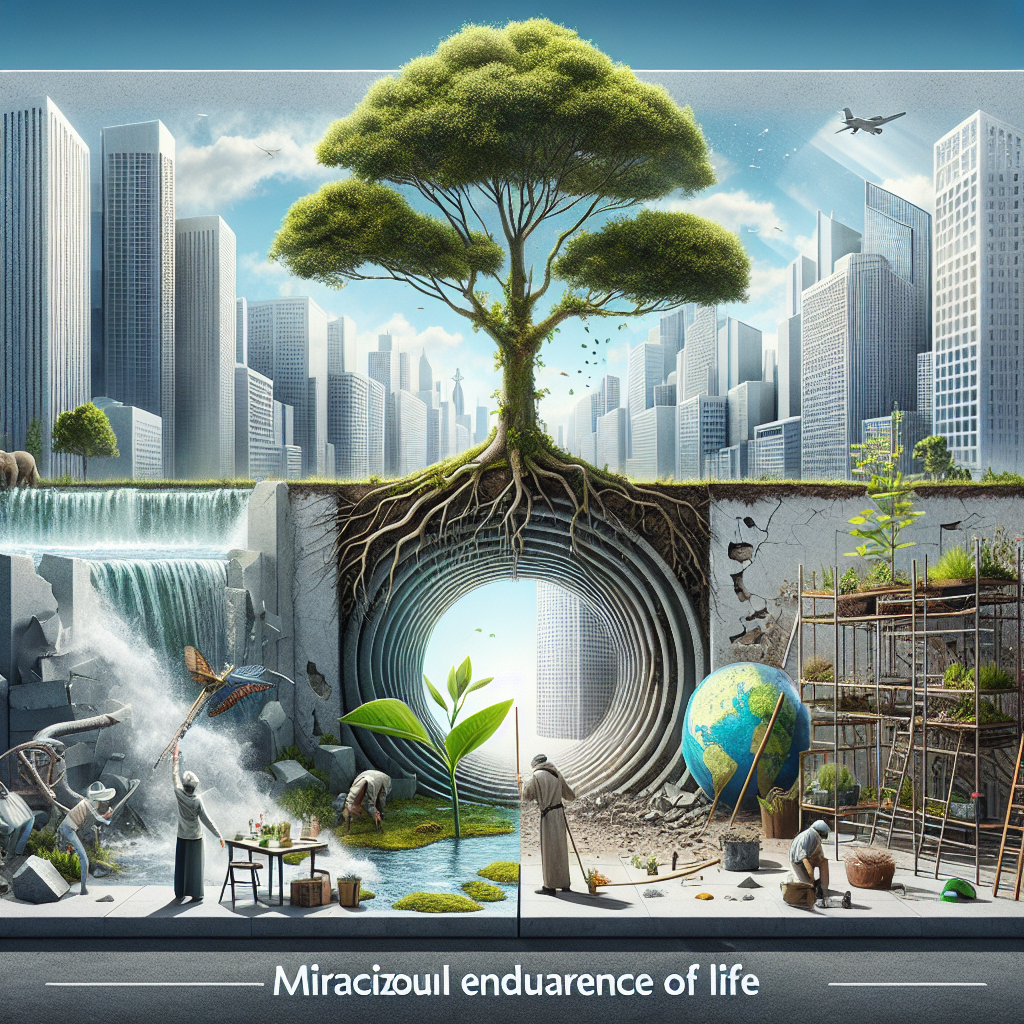
Building Resilience in the Face of Environmental Art Installations and Activism
Introduction
In recent years, the intersection of environmental activism and art has become a powerful force for change. Artists and activists are increasingly using creative expressions to raise awareness about environmental issues, challenge societal norms, and inspire action. This convergence of art and activism not only highlights the urgency of environmental challenges but also fosters resilience in communities and individuals. This article explores how environmental art installations and activism contribute to building resilience, the impact they have on society, and the ways in which they can be leveraged for greater environmental awareness and action.
The Role of Environmental Art Installations
Environmental art installations are creative expressions that engage with ecological themes and issues. They can take many forms, from large-scale sculptures and interactive exhibits to site-specific installations that integrate with natural landscapes. These artworks serve as powerful tools for environmental education and activism, offering viewers an opportunity to engage with pressing ecological concerns in a visceral and emotional way.
– **Raising Awareness**: Environmental art installations often highlight specific environmental issues such as climate change, deforestation, pollution, and biodiversity loss. By bringing these issues into public spaces, artists can reach a wide audience and provoke thought and discussion.
– **Emotional Engagement**: Art has the unique ability to evoke strong emotions, which can be a catalyst for change. Environmental art installations can create a sense of urgency and empathy, encouraging viewers to reflect on their relationship with the natural world.
– **Creating Dialogue**: These installations often serve as conversation starters, prompting discussions among viewers about environmental issues. This dialogue can lead to increased awareness and a greater willingness to engage in environmental activism.
The Impact of Environmental Activism
Environmental activism involves efforts to protect the natural environment through advocacy, education, and direct action. Activists work to address a wide range of issues, from climate change and habitat destruction to pollution and environmental justice. By combining art with activism, environmental advocates can enhance their impact and reach a broader audience.
– **Mobilizing Communities**: Environmental activism often involves grassroots movements that mobilize communities to take action. Art installations can play a crucial role in these movements by providing a focal point for gatherings, protests, and educational events.
– **Influencing Policy**: Activists use art to influence policymakers and drive legislative change. By showcasing the consequences of environmental degradation through compelling visuals, they can persuade decision-makers to prioritize environmental issues.
– **Empowering Individuals**: Activism empowers individuals to take action in their own lives, whether by reducing their carbon footprint, participating in community clean-ups, or advocating for policy changes. Art can inspire individuals to become more environmentally conscious and active.
Case Studies of Environmental Art and Activism
To better understand the impact of environmental art installations and activism, it is helpful to examine specific examples where these efforts have led to significant change.
– **The Climate Ribbon Project**: This participatory art installation invites individuals to write their hopes and fears about climate change on ribbons, which are then tied together to create a collective expression of concern and commitment. The project has traveled to various locations, engaging thousands of people and fostering a sense of global solidarity.
– **The Ice Watch Project**: Created by artist Olafur Eliasson, this installation involves placing large blocks of melting ice in urban spaces to visually demonstrate the effects of climate change. The project has been exhibited in cities around the world, sparking conversations about climate action and the urgency of addressing global warming.
– **The Trash Isles Campaign**: A collaboration between artist Mario Kerkstra and advocacy group Plastic Oceans Foundation, this campaign involved creating a fictional country made entirely of ocean plastic debris. The campaign aimed to draw attention to the plastic pollution crisis and was successful in garnering widespread media coverage and public engagement.
Building Resilience Through Art and Activism
Resilience, in the context of environmental challenges, refers to the ability of individuals, communities, and ecosystems to adapt to and recover from environmental stressors. Art and activism play a crucial role in building resilience by fostering awareness, inspiring action, and encouraging adaptive thinking.
– **Fostering Awareness**: By highlighting environmental issues through art, individuals and communities become more aware of the challenges they face. This awareness is the first step toward building resilience, as it encourages people to consider how they can adapt to changing conditions.
– **Inspiring Action**: Art and activism inspire individuals to take action, whether by participating in community initiatives, advocating for policy changes, or making sustainable lifestyle choices. This collective action strengthens community resilience by building networks of support and shared resources.
– **Encouraging Adaptive Thinking**: Environmental challenges often require innovative solutions and adaptive thinking. Art installations can stimulate creativity and encourage individuals to think outside the box, leading to new approaches for addressing environmental issues.
The Future of Environmental Art and Activism
As environmental challenges continue to escalate, the role of art and activism in building resilience will become increasingly important. Artists and activists must continue to innovate and collaborate to maximize their impact and reach.
– **Leveraging Technology**: Advances in technology offer new opportunities for environmental art and activism. Virtual reality, augmented reality, and digital media can be used to create immersive experiences that engage audiences in new and powerful ways.
– **Collaborative Efforts**: Collaboration between artists, activists, scientists, and policymakers can lead to more effective solutions to environmental challenges. By working together, these groups can leverage their unique strengths and perspectives to drive meaningful change.
– **Expanding Reach**: Efforts should be made to expand the reach of environmental art and activism to diverse audiences, including those who may not typically engage with environmental issues. This can be achieved through targeted outreach, inclusive programming, and partnerships with community organizations.
Conclusion
Environmental art installations and activism are powerful tools for building resilience in the face of environmental challenges. By raising awareness, inspiring action, and encouraging adaptive thinking, these efforts contribute to a more sustainable and resilient future. As artists and activists continue to innovate and collaborate, they will play a crucial role in shaping the global response to environmental issues and fostering a deeper connection between people and the natural world. Through creativity and activism, we can build a more resilient and sustainable future for generations to come.
