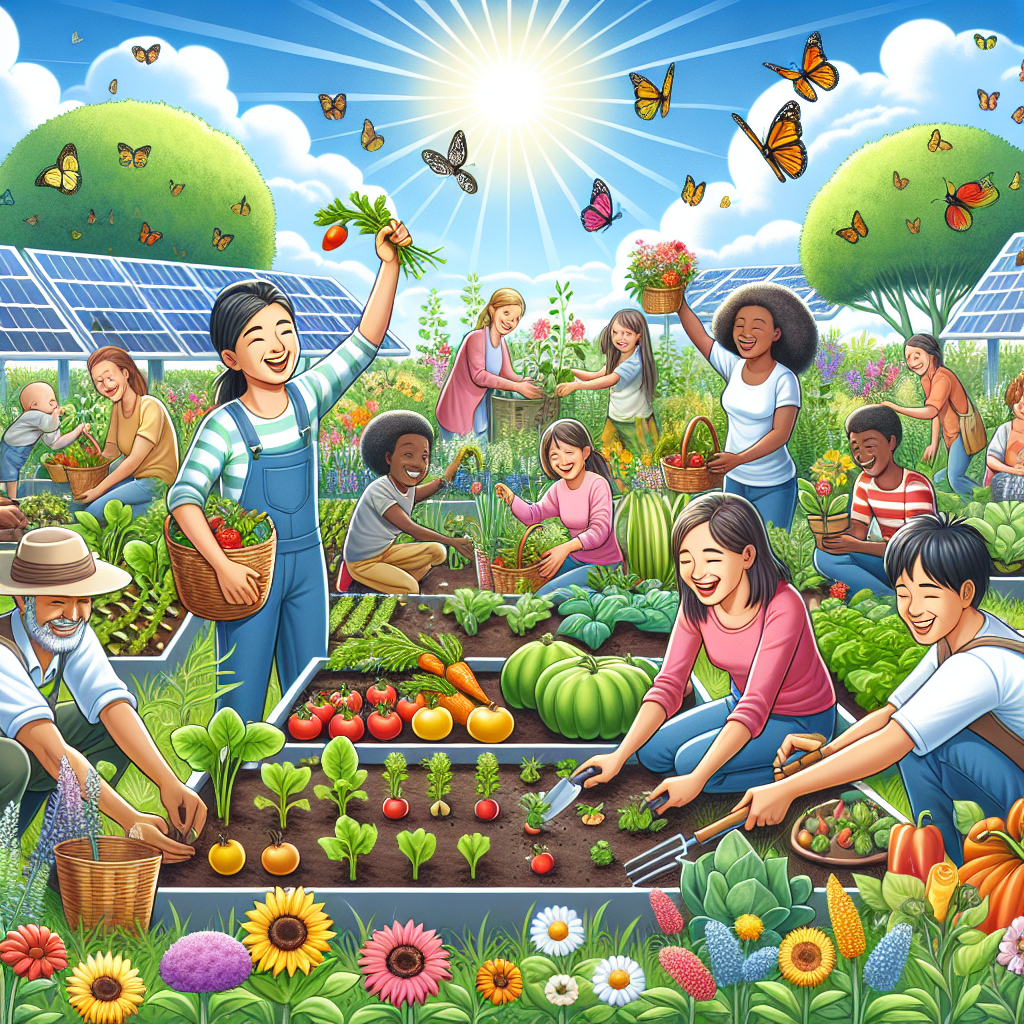
Achieving Happiness Through Sustainable Agriculture and Community Gardens
Introduction
In recent years, the pursuit of happiness has taken on new dimensions, with individuals exploring diverse avenues to achieve a sense of fulfillment and well-being. One such avenue, gaining increasing attention, is the practice of sustainable agriculture and the cultivation of community gardens. These initiatives not only promise environmental benefits but also offer profound impacts on personal happiness and community well-being. This article delves into the relationship between sustainable agriculture, community gardens, and the pursuit of happiness, exploring how these practices contribute to a more fulfilling and connected life.
The Concept of Sustainable Agriculture
Sustainable agriculture is an approach to farming that focuses on meeting current food needs without compromising the ability of future generations to meet their own. It involves practices that are environmentally sound, economically viable, and socially responsible. Key principles of sustainable agriculture include:
– **Conservation of Resources:** Emphasizing the efficient use of water, energy, and soil to minimize waste and reduce environmental impact.
– **Biodiversity:** Promoting diverse ecosystems to enhance resilience and productivity.
– **Soil Health:** Maintaining soil fertility through natural methods such as crop rotation and organic fertilizers.
– **Animal Welfare:** Ensuring humane treatment of livestock, contributing to ethical food production.
– **Community Engagement:** Encouraging local food systems and supporting small-scale farmers.
The Role of Community Gardens
Community gardens are shared spaces where individuals come together to grow food and cultivate plants. These gardens play a crucial role in urban and rural settings, offering numerous benefits that extend beyond mere food production. Key aspects of community gardens include:
– **Social Cohesion:** Fostering a sense of community and belonging among participants.
– **Food Security:** Providing access to fresh, nutritious produce, particularly in food deserts.
– **Environmental Education:** Offering hands-on learning experiences about sustainable practices.
– **Mental Health Benefits:** Reducing stress and promoting mental well-being through interaction with nature.
– **Cultural Exchange:** Serving as platforms for sharing diverse agricultural traditions and practices.
Connecting Sustainable Agriculture and Happiness
The link between sustainable agriculture, community gardens, and happiness is multifaceted, encompassing physical, psychological, and social dimensions. Here are some ways these practices contribute to individual and collective happiness:
Physical Health and Well-being
Engaging in sustainable agriculture and community gardening promotes physical activity, which is crucial for maintaining health and preventing chronic diseases. Activities such as planting, weeding, and harvesting provide moderate exercise, improving cardiovascular health and enhancing physical fitness. Additionally, access to fresh, organic produce contributes to a nutritious diet, supporting overall well-being.
Psychological Benefits
Interacting with nature has been shown to reduce stress, anxiety, and depression. Sustainable agriculture and community gardens offer opportunities for mindfulness and relaxation, fostering a connection with the natural world. The act of nurturing plants and witnessing their growth can be deeply satisfying, providing a sense of purpose and accomplishment.
Social Connections and Community Building
Community gardens serve as hubs for social interaction, bringing together people from diverse backgrounds. These spaces encourage collaboration, communication, and the sharing of knowledge. Building relationships through shared goals and experiences enhances social bonds, creating a supportive network that contributes to individual and collective happiness.
Environmental Stewardship and Responsibility
Participating in sustainable agriculture instills a sense of responsibility towards the environment. Individuals who engage in these practices often develop a deeper appreciation for natural resources and a commitment to conservation. This sense of stewardship can lead to increased life satisfaction, as individuals feel they are contributing positively to the world.
Economic Empowerment
Sustainable agriculture and community gardens can also provide economic benefits, particularly for marginalized communities. By reducing reliance on commercial food systems, individuals can achieve greater food sovereignty and financial independence. Selling surplus produce at local markets or participating in community-supported agriculture programs can generate additional income, enhancing economic stability and security.
Case Studies: Success Stories from Around the World
Several communities worldwide have embraced sustainable agriculture and community gardens, reaping significant benefits. Here are a few inspiring examples:
Detroit, Michigan
Once a symbol of urban decay, Detroit has witnessed a renaissance through community gardening. Initiatives such as the Detroit Black Community Food Security Network have transformed vacant lots into thriving gardens, providing fresh produce and fostering community resilience. These efforts have not only improved food security but also revitalized neighborhoods, promoting pride and cohesion among residents.
Havana, Cuba
Cuba’s urban agriculture movement is a testament to the power of sustainable practices. Faced with food shortages in the 1990s, Havana embraced organic farming and community gardens. Today, the city boasts a robust network of urban farms, supplying a significant portion of its food needs. This shift has enhanced food security, improved public health, and strengthened community ties.
Bristol, United Kingdom
In Bristol, the “Incredible Edible” project has transformed public spaces into edible landscapes. By planting fruits and vegetables in parks, schools, and other communal areas, the initiative has increased access to fresh produce and encouraged community engagement. The project has fostered a sense of ownership and pride among residents, contributing to a happier and more connected community.
Challenges and Solutions
While the benefits of sustainable agriculture and community gardens are undeniable, these initiatives also face challenges. Addressing these obstacles is crucial for maximizing their potential impact on happiness and well-being.
Land Access and Availability
Securing land for community gardens can be challenging, particularly in urban areas with limited space. Collaborating with local governments and organizations to identify underutilized land can help overcome this barrier. Additionally, advocating for policies that support urban agriculture can facilitate access to suitable sites.
Funding and Resources
Establishing and maintaining community gardens require financial resources and materials. Seeking grants, donations, and partnerships with local businesses can provide necessary funding. Encouraging volunteer involvement and in-kind contributions can also help sustain these projects.
Knowledge and Skills
Not everyone has the expertise to engage in sustainable agriculture. Offering workshops, training sessions, and mentorship programs can empower individuals with the skills needed for successful gardening. Collaborating with agricultural experts and educational institutions can enhance knowledge dissemination.
Community Engagement and Participation
Sustaining interest and involvement in community gardens can be challenging. Organizing regular events, social gatherings, and educational activities can maintain enthusiasm and attract new participants. Creating a sense of ownership and shared responsibility among community members can also foster long-term commitment.
Conclusion
Sustainable agriculture and community gardens offer a compelling pathway to achieving happiness and well-being. By promoting physical health, psychological resilience, social connections, environmental stewardship, and economic empowerment, these practices address multiple dimensions of happiness. As more communities embrace these initiatives, the potential for positive change and collective fulfillment grows. By nurturing our connection to the land and to each other, we can cultivate a more sustainable, equitable, and joyful future.
