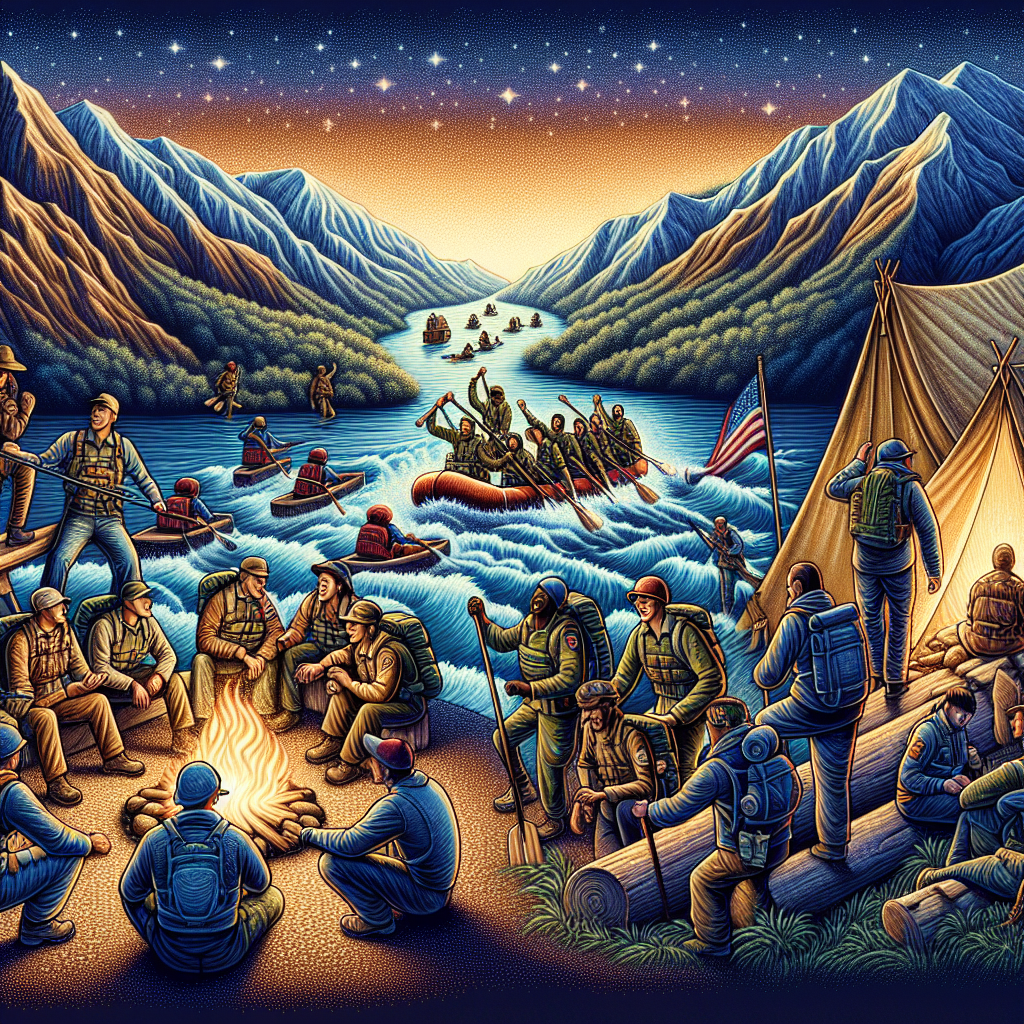
Building Resilience in Veterans Through Adventure-Based Healing
Introduction
The transition from military to civilian life can be a challenging journey for many veterans. The experiences and traumas faced during service often leave lasting impacts that can affect mental health and overall well-being. In recent years, adventure-based healing has emerged as a promising approach to help veterans build resilience and improve their quality of life. This article explores the concept of adventure-based healing, its benefits, and how it is being implemented to support veterans in their journey towards recovery and resilience.
Understanding Adventure-Based Healing
Adventure-based healing is a therapeutic approach that uses outdoor activities and experiential learning to promote mental and physical health. It is grounded in the belief that nature and adventure can provide powerful healing experiences. This approach involves activities such as hiking, rock climbing, kayaking, and team-building exercises, which are designed to challenge individuals physically and mentally.
The Core Principles of Adventure-Based Healing
– **Nature Immersion**: Engaging with the natural environment helps reduce stress and anxiety while fostering a sense of peace and mindfulness.
– **Physical Challenge**: Activities that challenge physical limits can boost self-esteem and confidence, helping individuals overcome perceived barriers.
– **Teamwork and Social Connection**: Group activities encourage social interaction and support, which are crucial for building trust and camaraderie among participants.
– **Mindfulness and Reflection**: Adventure-based healing often incorporates mindfulness practices, allowing participants to reflect on their experiences and emotions.
The Benefits of Adventure-Based Healing for Veterans
Veterans face unique challenges when reintegrating into civilian life. Adventure-based healing offers several benefits that can address these challenges and promote resilience.
Improved Mental Health
Many veterans experience mental health issues such as post-traumatic stress disorder, depression, and anxiety. Adventure-based healing provides a therapeutic outlet for these conditions by:
– Encouraging mindfulness, which helps veterans manage stress and anxiety.
– Offering opportunities for emotional expression and processing.
– Providing a sense of accomplishment and purpose through physical challenges.
Enhanced Physical Health
Physical activity is a core component of adventure-based healing, offering numerous benefits for veterans:
– Improved cardiovascular health and overall fitness.
– Increased energy levels and better sleep patterns.
– Reduction in symptoms of depression and anxiety through the release of endorphins.
Strengthened Social Connections
Isolation and loneliness are common issues among veterans. Adventure-based healing fosters social connections by:
– Encouraging teamwork and collaboration during activities.
– Building a support network of peers who understand the unique challenges faced by veterans.
– Providing opportunities for meaningful interactions and shared experiences.
Increased Resilience and Coping Skills
Adventure-based healing equips veterans with tools to build resilience and cope with life’s challenges:
– Developing problem-solving skills through navigating complex outdoor environments.
– Building confidence and self-efficacy by overcoming physical and mental obstacles.
– Learning to adapt to changing circumstances and develop a growth mindset.
Implementing Adventure-Based Healing Programs
Several organizations and programs have successfully implemented adventure-based healing initiatives for veterans. These programs vary in structure and focus but share the common goal of supporting veterans in their journey toward healing and resilience.
Notable Programs and Organizations
– **Outward Bound for Veterans**: This program offers wilderness expeditions that promote self-discovery and personal growth. Veterans participate in activities such as backpacking, rock climbing, and canoeing, fostering teamwork and leadership skills.
– **Warrior Expeditions**: This nonprofit organization provides long-distance outdoor expeditions for veterans to help them decompress from military service. Participants embark on journeys such as hiking the Appalachian Trail or biking across the country.
– **Project Healing Waters Fly Fishing**: Focused on rehabilitation through fly fishing, this program helps veterans develop patience, concentration, and a sense of accomplishment.
– **Team Rubicon**: While not exclusively adventure-based, Team Rubicon engages veterans in disaster response missions, offering them a sense of purpose and camaraderie while aiding communities in need.
Key Elements of Successful Programs
Successful adventure-based healing programs share several key elements that contribute to their effectiveness:
– **Qualified Instructors and Facilitators**: Experienced guides and mental health professionals ensure the safety and well-being of participants while facilitating meaningful experiences.
– **Comprehensive Support**: Programs often include pre- and post-activity support, such as counseling or workshops, to help veterans process their experiences and integrate lessons learned.
– **Personalized Approach**: Tailoring activities to the individual needs and abilities of participants ensures that each veteran can engage meaningfully and safely.
– **Focus on Long-Term Impact**: Programs aim to create lasting change by equipping veterans with skills and insights that extend beyond the duration of the activity.
Challenges and Considerations
While adventure-based healing offers significant benefits, it is not without challenges and considerations.
Accessibility and Inclusivity
Ensuring that adventure-based healing programs are accessible to all veterans, regardless of physical ability or geographic location, is crucial. Programs must consider:
– Offering adaptive equipment and accommodations for veterans with physical disabilities.
– Providing financial assistance or scholarships to remove cost barriers.
– Expanding program locations to reach veterans in underserved areas.
Safety and Risk Management
The nature of adventure-based activities involves inherent risks. Programs must prioritize safety by:
– Conducting thorough risk assessments and implementing safety protocols.
– Providing proper training and equipment for all participants.
– Ensuring that facilitators are trained in first aid and emergency response.
Measuring Effectiveness
Evaluating the effectiveness of adventure-based healing programs is essential for continuous improvement and validation. This can be achieved through:
– Collecting qualitative and quantitative data on participant outcomes.
– Conducting longitudinal studies to assess long-term impact.
– Gathering feedback from participants to refine program elements.
Conclusion
Adventure-based healing presents a unique and powerful opportunity to support veterans in their journey toward resilience and recovery. By harnessing the therapeutic potential of nature and adventure, these programs offer veterans a path to improved mental and physical health, strengthened social connections, and enhanced coping skills. As the field continues to grow, it is essential to prioritize accessibility, safety, and effectiveness to ensure that all veterans can benefit from this transformative approach. Through continued innovation and collaboration, adventure-based healing can play a vital role in helping veterans build resilience and thrive in civilian life.
