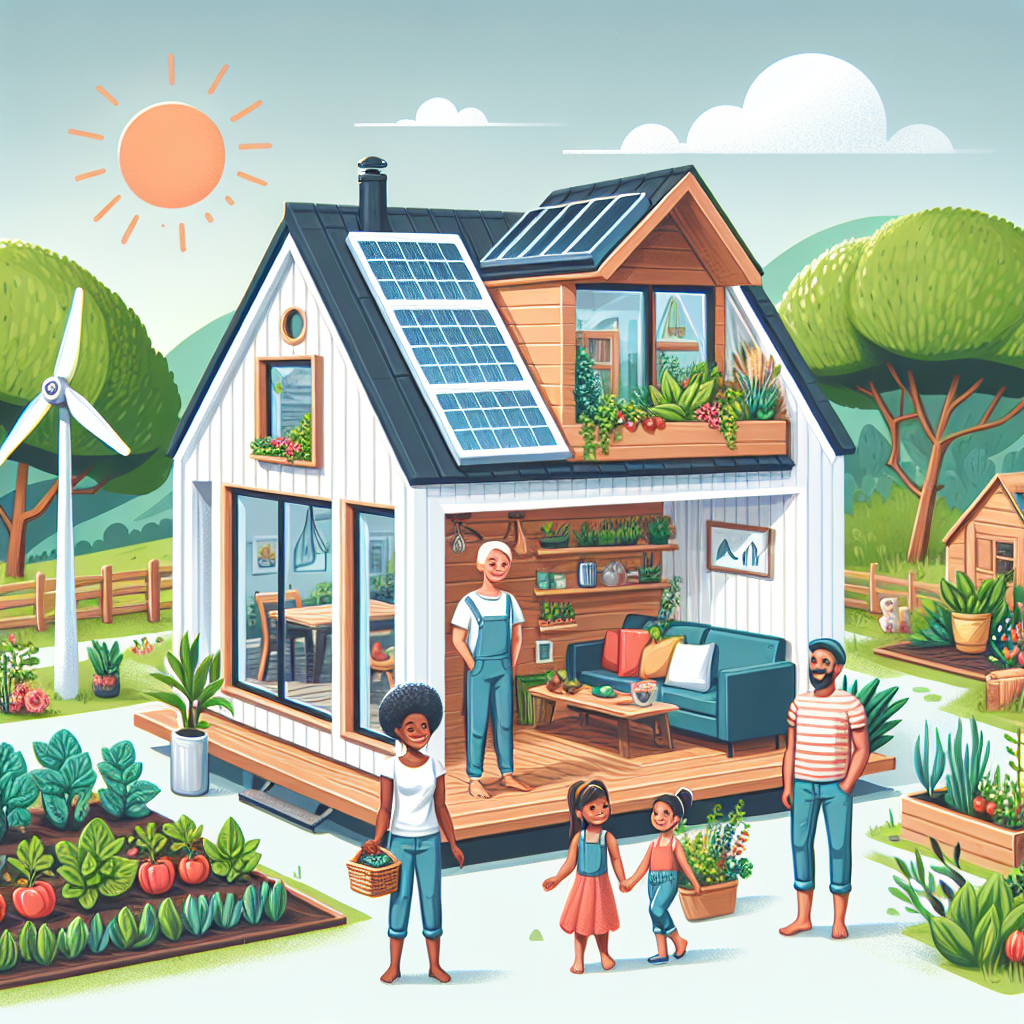
Achieving Happiness Through Sustainable Living in Tiny Houses
Introduction
In recent years, the concept of sustainable living has gained significant traction as individuals and communities seek ways to reduce their environmental footprint and enhance their quality of life. One lifestyle choice that has emerged as a popular solution is living in tiny houses. These compact, efficient homes not only promote environmental sustainability but also offer a pathway to achieving personal happiness. This article explores the relationship between sustainable living and happiness, with a specific focus on the benefits of residing in tiny houses.
The Rise of Tiny Houses
The tiny house movement has its roots in the broader trend toward minimalism and sustainability. As people become increasingly aware of the environmental and financial costs of traditional housing, many are opting for smaller, more efficient living spaces. Tiny houses, typically ranging from 100 to 400 square feet, are designed to maximize utility while minimizing waste. This movement is driven by several factors:
– **Environmental Concerns**: Tiny houses use fewer resources to build and maintain, resulting in a smaller carbon footprint.
– **Financial Freedom**: With lower construction and maintenance costs, tiny houses offer an affordable housing solution.
– **Simplified Lifestyle**: Living in a tiny house encourages individuals to prioritize essential possessions and experiences over material accumulation.
The Environmental Benefits of Tiny Houses
One of the most compelling reasons to consider tiny house living is the positive impact on the environment. By reducing the size of living spaces, individuals inherently consume fewer resources. Key environmental benefits include:
– **Reduced Energy Consumption**: Tiny houses require less energy to heat, cool, and power, leading to lower utility bills and a reduced environmental impact.
– **Sustainable Building Materials**: Many tiny houses are constructed using eco-friendly materials, further reducing their environmental footprint.
– **Minimal Land Use**: These homes occupy less land, preserving natural habitats and reducing urban sprawl.
– **Waste Reduction**: The limited space in tiny houses encourages mindful consumption and waste reduction.
Financial Advantages and Economic Sustainability
Beyond environmental considerations, tiny houses offer significant financial benefits that contribute to economic sustainability. These advantages can lead to enhanced personal happiness and well-being:
– **Lower Costs**: The initial cost of building or purchasing a tiny house is significantly lower than that of a traditional home. This affordability allows individuals to allocate resources to other areas of life, such as travel, education, or retirement savings.
– **Debt Reduction**: Many tiny house owners can avoid or minimize mortgage debt, leading to greater financial freedom and reduced stress.
– **Maintenance Savings**: With less space to maintain, homeowners spend less on repairs, cleaning, and upkeep.
The Connection Between Minimalism and Happiness
Living in a tiny house often necessitates a shift toward minimalism, a lifestyle choice that emphasizes simplicity and intentional living. This shift can have profound effects on personal happiness:
– **Freedom from Clutter**: A smaller living space requires individuals to declutter and prioritize possessions, leading to a more organized and stress-free environment.
– **Focus on Experiences**: With fewer material possessions, individuals often find more time and resources to invest in meaningful experiences and relationships.
– **Enhanced Mindfulness**: The simplicity of a tiny house encourages mindfulness and presence, fostering a deeper appreciation for everyday life.
Community and Social Connections
Tiny house living often fosters a sense of community and social connection. Many tiny house enthusiasts choose to live in communities designed specifically for small homes, where shared resources and collaborative living are encouraged. The benefits of such communities include:
– **Shared Resources**: Community living allows for the sharing of tools, equipment, and amenities, reducing individual costs and environmental impact.
– **Support Networks**: Living in close proximity to like-minded individuals creates opportunities for social interaction and mutual support.
– **Collaborative Projects**: Tiny house communities often engage in group projects, such as community gardens or renewable energy initiatives, fostering a sense of purpose and collective achievement.
Challenges and Considerations
While tiny house living offers numerous benefits, it also presents challenges that potential homeowners should consider:
– **Zoning and Legal Issues**: Many areas have zoning laws that restrict or complicate the placement of tiny houses, necessitating careful research and planning.
– **Limited Space**: The small size of tiny houses can be challenging for families or individuals who require more space for work or hobbies.
– **Lifestyle Adjustments**: Transitioning to a tiny house often requires significant lifestyle changes, including downsizing possessions and adapting to a smaller living area.
Conclusion
The pursuit of happiness through sustainable living in tiny houses is an increasingly popular choice for those seeking to reduce their environmental impact, achieve financial freedom, and embrace a minimalist lifestyle. By offering a unique blend of environmental, financial, and social benefits, tiny houses provide a viable path to a more sustainable and fulfilling life. However, it is essential for individuals to carefully consider the challenges and lifestyle adjustments associated with this choice. Ultimately, for those willing to embrace the simplicity and intentionality of tiny house living, the rewards can be profound, leading to a happier, more sustainable way of life.
