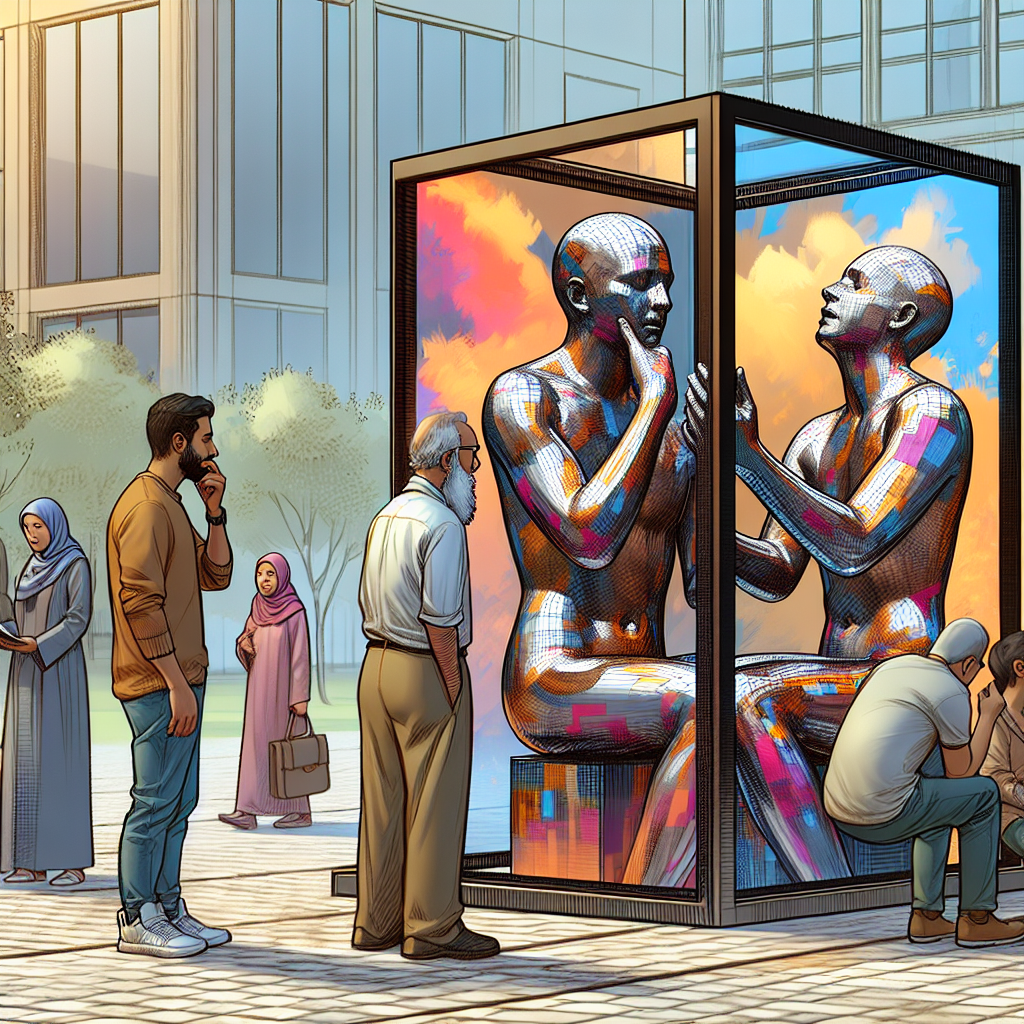
The Influence of Outdoor Art Installations on Emotional Expression and Reflection
Introduction
In recent years, outdoor art installations have become a significant cultural phenomenon, transforming public spaces into dynamic canvases for artistic expression. These installations, often large-scale and immersive, invite audiences to engage with art in a manner that transcends the traditional boundaries of galleries and museums. This article explores the profound impact of outdoor art installations on emotional expression and reflection, examining how these creative endeavors foster community engagement, inspire introspection, and evoke a wide range of emotions.
The Rise of Outdoor Art Installations
Outdoor art installations have gained popularity due to their accessibility and ability to reach diverse audiences. Unlike conventional art exhibits confined to indoor spaces, these installations are often situated in parks, city squares, and other public areas, making art more accessible to the general public. This democratization of art allows people from all walks of life to encounter and engage with artistic expressions they might not otherwise experience.
The appeal of outdoor art installations lies in their ability to transform ordinary environments into extraordinary experiences. By integrating art into natural or urban landscapes, these installations create a dialogue between the artwork and its surroundings. This interaction not only enhances the aesthetic appeal of public spaces but also encourages viewers to see their environment in a new light.
Emotional Expression Through Art
Art has long been recognized as a powerful medium for emotional expression. Outdoor art installations, with their immersive and interactive nature, provide a unique platform for artists to convey complex emotions and ideas. These installations often challenge viewers to confront their feelings and perceptions, sparking emotional responses that can range from joy and wonder to introspection and contemplation.
– **Joy and Wonder**: Many outdoor art installations are designed to evoke feelings of joy and wonder. By incorporating vibrant colors, whimsical shapes, or unexpected elements, artists can create a sense of delight and playfulness. These installations often invite viewers to engage with the artwork physically, encouraging them to explore and interact with the piece in a way that elicits a childlike sense of wonder.
– **Introspection and Contemplation**: Other installations aim to provoke deeper reflection and introspection. By addressing themes such as identity, memory, or social issues, these artworks encourage viewers to pause and consider their own experiences and beliefs. The scale and setting of outdoor installations often create a meditative atmosphere, allowing individuals to immerse themselves in the artwork and explore their thoughts and emotions.
The Role of Environment in Emotional Impact
The environment in which an outdoor art installation is situated plays a crucial role in shaping the emotional experience of viewers. The natural or urban landscape can enhance or alter the impact of the artwork, influencing how it is perceived and interpreted.
– **Natural Landscapes**: When placed in natural settings, outdoor art installations can create a harmonious relationship between the artwork and its environment. The use of natural materials or organic forms can evoke a sense of connection to the earth, fostering feelings of tranquility and peace. These installations often invite viewers to consider their relationship with nature and reflect on environmental issues.
– **Urban Environments**: In contrast, installations in urban settings can create a striking juxtaposition between the artwork and the surrounding architecture. This contrast can draw attention to social or political themes, prompting viewers to reflect on issues such as urbanization, inequality, or cultural identity. The bustling energy of a city can also amplify the emotional impact of an installation, creating a dynamic and engaging experience for viewers.
Community Engagement and Social Interaction
Outdoor art installations have the power to bring communities together, fostering social interaction and engagement. By transforming public spaces into sites of artistic expression, these installations encourage people to come together and share their experiences.
– **Creating Shared Experiences**: The communal nature of outdoor art installations allows individuals to experience art collectively. This shared experience can create a sense of connection and belonging, as people from diverse backgrounds come together to appreciate and interpret the artwork. The public nature of these installations also encourages dialogue and discussion, as viewers exchange their thoughts and emotions with one another.
– **Encouraging Participation**: Many outdoor installations are designed to be interactive, inviting viewers to become active participants in the artwork. This participatory element can enhance the emotional impact of the installation, as individuals engage with the piece on a personal level. By inviting viewers to contribute to the artwork, artists can create a sense of ownership and agency, empowering individuals to express themselves and reflect on their experiences.
Case Studies of Influential Outdoor Art Installations
To illustrate the impact of outdoor art installations on emotional expression and reflection, it is helpful to examine specific examples that have resonated with audiences worldwide.
– **The Gates by Christo and Jeanne-Claude**: Installed in New York City’s Central Park in 2005, The Gates consisted of 7,503 saffron-colored fabric panels suspended from metal frames. The installation transformed the park’s pathways into a vibrant, flowing river of color, inviting viewers to walk through and experience the artwork from within. The Gates evoked feelings of joy and wonder, as the bold colors contrasted with the winter landscape, creating a sense of warmth and vitality.
– **Field of Light by Bruce Munro**: This installation, located in various natural settings around the world, consists of thousands of illuminated orbs that create a mesmerizing sea of light. The installation encourages viewers to wander through the glowing landscape, fostering a sense of tranquility and introspection. By integrating light and nature, Field of Light invites individuals to reflect on the beauty of the natural world and their place within it.
– **Dismaland by Banksy**: A satirical take on theme parks, Dismaland was a temporary installation in the UK that featured works by various artists addressing themes of consumerism, politics, and social issues. The dystopian setting and thought-provoking artworks challenged viewers to confront uncomfortable truths and reflect on societal values. Dismaland sparked widespread discussion and debate, highlighting the power of outdoor art installations to engage audiences in meaningful conversations.
The Future of Outdoor Art Installations
As outdoor art installations continue to evolve, they hold the potential to shape the future of public art and community engagement. Advances in technology and innovative approaches to art-making are expanding the possibilities for outdoor installations, allowing artists to create more immersive and interactive experiences.
– **Technological Innovations**: The integration of technology into outdoor art installations is opening new avenues for artistic expression. Digital projections, augmented reality, and interactive elements can enhance the sensory experience of installations, allowing viewers to engage with art in novel ways. These innovations also offer new opportunities for artists to address contemporary themes and connect with audiences on a deeper level.
– **Sustainability and Environmental Awareness**: As environmental concerns become increasingly pressing, outdoor art installations are likely to play a role in raising awareness and promoting sustainability. Artists are exploring eco-friendly materials and practices, creating installations that highlight environmental issues and encourage viewers to consider their impact on the planet. By integrating art with nature, these installations can inspire individuals to reflect on their relationship with the environment and take action towards a more sustainable future.
Conclusion
Outdoor art installations have emerged as a powerful force in contemporary art, offering unique opportunities for emotional expression and reflection. By transforming public spaces into sites of artistic engagement, these installations invite viewers to explore their emotions, connect with their communities, and reflect on their experiences. As artists continue to push the boundaries of outdoor art, these installations will undoubtedly play a vital role in shaping the cultural landscape and fostering meaningful connections between art and society.
