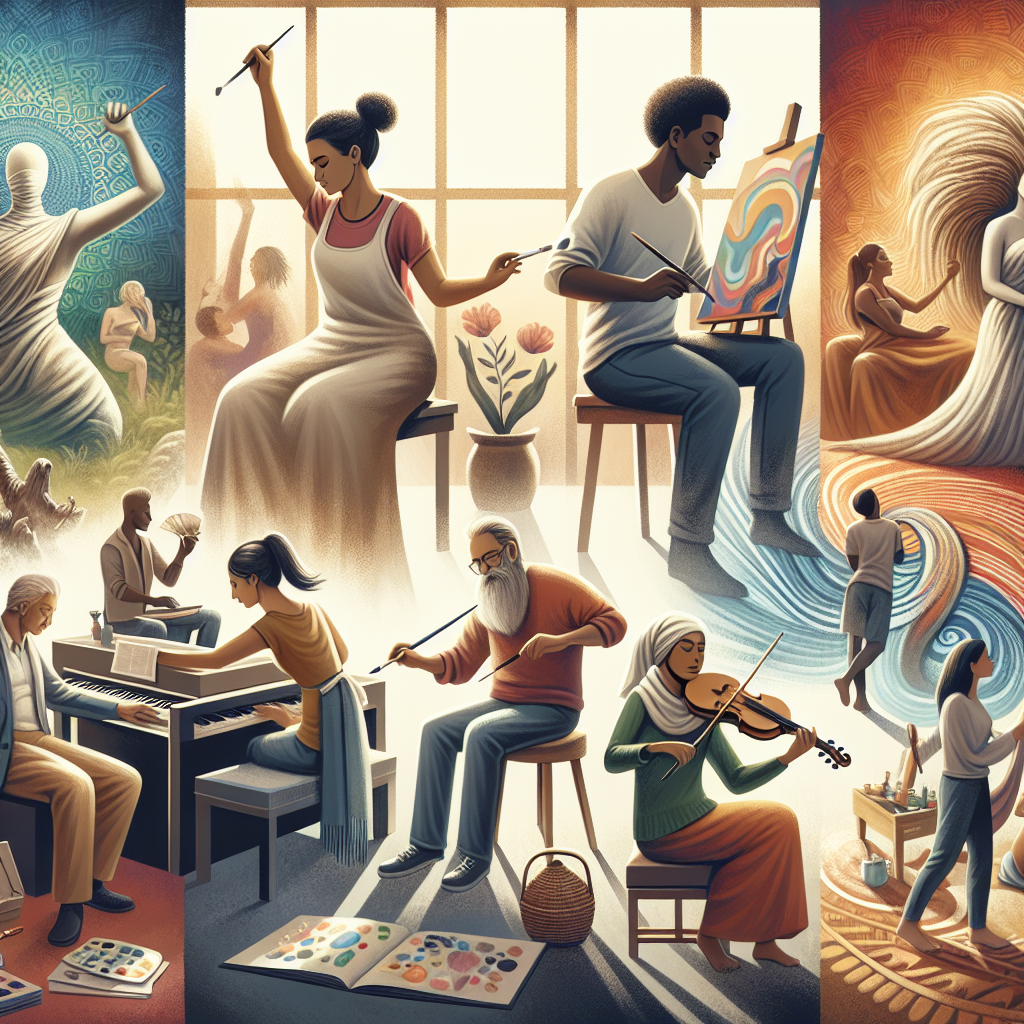
The Role of Creative Arts Therapies in Personal Growth and Healing
Introduction
In an era where mental health awareness is gaining unprecedented attention, the exploration of diverse therapeutic approaches is crucial. Among these, creative arts therapies have emerged as a powerful tool for personal growth and healing. This article delves into the multifaceted world of creative arts therapies, examining their significance, methodologies, and the profound impact they can have on individuals seeking to enhance their well-being.
Understanding Creative Arts Therapies
Creative arts therapies encompass a range of therapeutic practices that utilize artistic expression as a means of communication and healing. Unlike traditional talk therapies, these approaches engage individuals in creative processes, allowing them to explore their emotions, thoughts, and experiences in a non-verbal manner. The primary modalities within creative arts therapies include:
– Art Therapy
– Music Therapy
– Dance/Movement Therapy
– Drama Therapy
– Poetry Therapy
Each of these modalities offers unique opportunities for self-expression and healing, tailored to the needs and preferences of the individual.
The Science Behind Creative Arts Therapies
Research into creative arts therapies has demonstrated their efficacy in promoting mental health and personal growth. These therapies leverage the intrinsic connection between creativity and emotional well-being. Engaging in artistic activities stimulates the brain, enhancing cognitive function and emotional regulation. The therapeutic process often involves:
– Encouraging self-expression and exploration of emotions
– Facilitating communication and interpersonal skills
– Promoting self-awareness and insight
– Fostering resilience and coping strategies
Neuroscientific studies have shown that creative activities activate various brain regions associated with emotion, memory, and cognition, thereby supporting mental and emotional health.
Art Therapy: Healing through Visual Expression
Art therapy utilizes visual art-making as a therapeutic tool. It provides individuals with a safe space to express feelings and experiences that may be difficult to articulate verbally. The process of creating art can be inherently therapeutic, allowing individuals to:
– Explore and process complex emotions
– Develop self-awareness and self-esteem
– Enhance problem-solving and critical thinking skills
– Reduce stress and anxiety
Art therapists are trained to guide individuals through the creative process, helping them interpret and understand the symbolic meanings within their artwork. This can lead to profound insights and personal growth.
Music Therapy: The Harmonizing Power of Sound
Music therapy harnesses the emotional and psychological impact of music to facilitate healing and personal development. Music therapists use various techniques, including listening, composing, and performing, to address specific therapeutic goals. The benefits of music therapy include:
– Reducing symptoms of depression and anxiety
– Enhancing communication and social skills
– Improving cognitive and motor functions
– Promoting relaxation and emotional release
Music has a unique ability to evoke emotions and memories, making it a powerful tool for processing trauma and fostering personal growth.
Dance/Movement Therapy: Embodied Healing
Dance/movement therapy is based on the premise that the body and mind are interconnected. Through movement, individuals can express emotions and experiences that are difficult to verbalize. This form of therapy offers numerous benefits, such as:
– Increasing body awareness and self-esteem
– Enhancing emotional expression and regulation
– Promoting physical fitness and coordination
– Facilitating social interaction and connection
Dance/movement therapists work with individuals to explore movement patterns and develop a deeper understanding of their emotional and physical states, leading to holistic healing and growth.
Drama Therapy: Transformative Role-Playing
Drama therapy employs theatrical techniques to facilitate personal insight and growth. Participants engage in role-playing, storytelling, and improvisation to explore their emotions and experiences. The therapeutic benefits of drama therapy include:
– Enhancing self-expression and communication skills
– Building empathy and understanding of others
– Encouraging problem-solving and conflict resolution
– Fostering creativity and spontaneity
By stepping into different roles and narratives, individuals can gain new perspectives on their lives, leading to transformative personal growth.
Poetry Therapy: The Healing Power of Words
Poetry therapy utilizes the written and spoken word as a means of healing and self-discovery. Through reading, writing, and sharing poetry, individuals can explore their emotions and experiences in a structured and reflective manner. The benefits of poetry therapy include:
– Encouraging self-reflection and introspection
– Enhancing emotional expression and articulation
– Building resilience and coping skills
– Promoting a sense of connection and community
Poetry therapists guide individuals in crafting and interpreting poetry, facilitating personal insights and emotional healing.
The Role of Creative Arts Therapies in Personal Growth
Creative arts therapies provide a unique and powerful avenue for personal growth, offering individuals the opportunity to explore their inner worlds in a safe and supportive environment. These therapies encourage self-discovery, helping individuals:
– Uncover hidden emotions and thoughts
– Develop a deeper understanding of themselves
– Foster resilience and adaptability
– Enhance interpersonal relationships
The creative process itself is inherently empowering, allowing individuals to take an active role in their healing journey.
Applications in Diverse Settings
Creative arts therapies are versatile and can be applied in various settings, including:
– Hospitals and healthcare facilities
– Schools and educational institutions
– Community centers and outreach programs
– Private practice and wellness centers
These therapies are adaptable to different populations, including children, adolescents, adults, and the elderly, making them accessible to a wide range of individuals seeking personal growth and healing.
Challenges and Considerations
While creative arts therapies offer numerous benefits, there are challenges and considerations to be aware of:
– Accessibility: Ensuring access to qualified therapists and resources can be a barrier for some individuals.
– Cultural Sensitivity: Therapists must be culturally competent and sensitive to the diverse backgrounds of their clients.
– Individual Preferences: Not all individuals may feel comfortable with certain forms of artistic expression, necessitating a personalized approach.
Addressing these challenges requires ongoing education, advocacy, and collaboration among mental health professionals and communities.
Conclusion
Creative arts therapies represent a dynamic and innovative approach to personal growth and healing. By engaging individuals in creative processes, these therapies offer a unique pathway to self-discovery, emotional expression, and resilience. As the field continues to evolve, it is essential to recognize and support the transformative potential of creative arts therapies in enhancing mental health and well-being. Whether through painting, music, movement, drama, or poetry, the creative arts hold the power to heal, inspire, and transform lives.
