The Impact of Marine Conservation on Personal Fulfillment
Introduction
Marine conservation is not just a global imperative for sustaining biodiversity and ensuring the health of our planet; it also offers profound personal benefits. Engaging in marine conservation can lead to a deep sense of personal fulfillment, fostering a connection to nature, enhancing mental well-being, and cultivating a sense of purpose. This article explores the multifaceted impact of marine conservation on personal fulfillment, examining how individuals can contribute to this vital cause while enriching their own lives.
Understanding Marine Conservation
Marine conservation encompasses efforts to protect and preserve ocean ecosystems, including coral reefs, mangroves, and marine species. These efforts are crucial in combating the adverse effects of climate change, pollution, and overfishing. By safeguarding marine environments, conservationists aim to ensure the health and sustainability of the oceans, which are vital for global biodiversity and human survival.
The Personal Connection to Marine Conservation
The Ocean’s Role in Human Life
Oceans cover over 70 percent of the Earth’s surface and play a critical role in regulating the climate, providing oxygen, and supporting diverse ecosystems. For many individuals, the ocean is more than just a natural resource; it is a source of inspiration, recreation, and tranquility. This intrinsic connection to the ocean can drive a strong personal commitment to marine conservation, as people seek to preserve the environments that bring them joy and peace.
The Psychological Benefits of Nature
Numerous studies have highlighted the psychological benefits of connecting with nature. Engaging with marine environments, whether through activities like snorkeling, diving, or simply walking along the beach, can reduce stress, improve mood, and enhance overall mental well-being. Marine conservation efforts provide a platform for individuals to engage with nature in a meaningful way, fostering a sense of fulfillment and well-being.
The Role of Personal Fulfillment in Conservation Efforts
A Sense of Purpose
Participating in marine conservation initiatives can provide individuals with a strong sense of purpose. By contributing to the protection of marine ecosystems, individuals can feel that they are making a positive impact on the world. This sense of purpose can be a powerful motivator, driving continued engagement and fostering personal growth.
Community and Connection
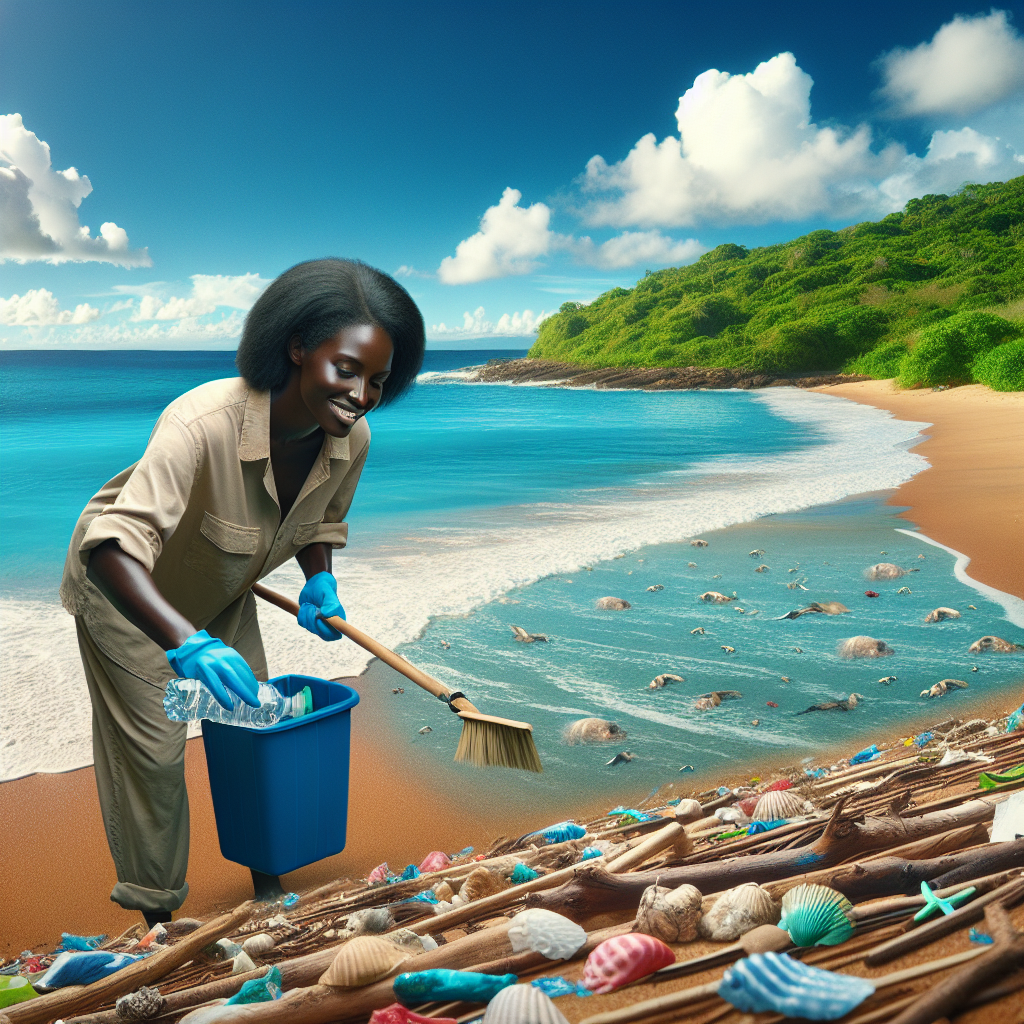
Marine conservation efforts often involve collaboration and community engagement. Whether volunteering for beach clean-ups, participating in citizen science projects, or joining conservation organizations, individuals have the opportunity to connect with like-minded people. These connections can lead to lasting friendships and a sense of belonging, further enhancing personal fulfillment.
Empowerment and Agency
Engaging in conservation activities empowers individuals to take action and make a difference. This sense of agency can be incredibly fulfilling, as it allows people to contribute to a cause larger than themselves. By actively participating in conservation efforts, individuals can feel empowered to effect change and inspire others to do the same.
Practical Ways to Engage in Marine Conservation
Volunteer Opportunities
Volunteering is one of the most accessible ways to get involved in marine conservation. Many organizations offer opportunities for individuals to participate in activities such as:
– Beach clean-ups
– Coral reef monitoring
– Data collection for scientific research
– Educational outreach programs
These activities not only contribute to conservation efforts but also provide volunteers with a sense of accomplishment and fulfillment.
Sustainable Practices
Adopting sustainable practices in daily life can also contribute to marine conservation. Individuals can make a difference by:
– Reducing plastic use and properly disposing of waste
– Supporting sustainable seafood choices
– Conserving water and energy
– Advocating for policies that protect marine environments
By incorporating these practices into their lives, individuals can contribute to the health of the oceans while experiencing the satisfaction of living in alignment with their values.
Education and Advocacy
Educating oneself and others about marine conservation is another powerful way to contribute. Individuals can:
– Attend workshops and seminars
– Read and share articles and books on marine conservation
– Advocate for conservation policies and initiatives
– Raise awareness through social media and community events
Through education and advocacy, individuals can inspire others to join the cause and amplify their impact.
Challenges and Opportunities in Marine Conservation
Overcoming Challenges
While marine conservation can be incredibly fulfilling, it is not without its challenges. Conservation efforts often face obstacles such as limited funding, political resistance, and the sheer scale of environmental issues. However, these challenges can also present opportunities for personal growth and innovation.
Innovation and Creativity
Addressing the challenges of marine conservation requires innovative solutions and creative thinking. Individuals engaged in conservation efforts have the opportunity to develop new strategies, technologies, and approaches to protect marine environments. This process can be deeply rewarding, as it allows individuals to contribute to meaningful change and explore new possibilities.
Resilience and Adaptation
Marine conservation efforts often require resilience and adaptability. By facing and overcoming challenges, individuals can develop these valuable skills, which can be applied to other areas of life. This personal growth can lead to increased confidence and a greater sense of fulfillment.
Conclusion
Marine conservation offers a unique opportunity for individuals to contribute to a critical global cause while experiencing profound personal fulfillment. By engaging with marine environments, participating in conservation efforts, and adopting sustainable practices, individuals can foster a deep connection to nature, enhance their mental well-being, and cultivate a sense of purpose. Despite the challenges, the personal and collective rewards of marine conservation are immense, offering a pathway to a more fulfilled and meaningful life. As more people embrace this cause, the impact on both the oceans and individual lives will continue to grow, creating a brighter future for all.
