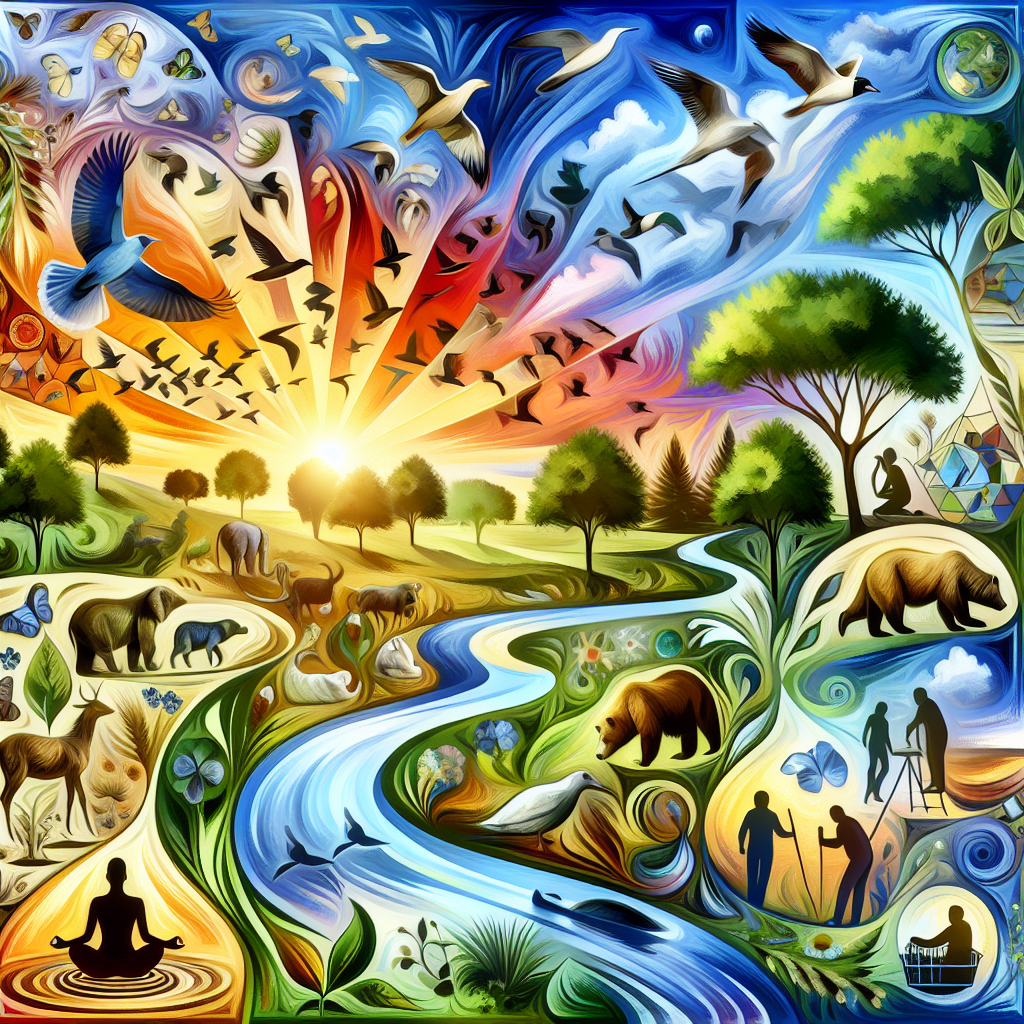
Exploring the Connection Between Wildlife Conservation and Personal Fulfillment
Introduction
In recent years, the urgency of wildlife conservation has become increasingly apparent as the planet faces unprecedented environmental challenges. From climate change to habitat destruction, the threats to biodiversity are numerous and complex. However, amid these challenges lies an opportunity for individuals to find personal fulfillment through active participation in conservation efforts. This article explores the profound connection between wildlife conservation and personal fulfillment, examining how individuals can derive a sense of purpose, satisfaction, and well-being from contributing to the preservation of the natural world.
Understanding Wildlife Conservation
Wildlife conservation involves the protection and preservation of ecosystems, species, and their habitats. It aims to maintain biodiversity and ensure that natural resources are available for future generations. Conservation efforts can take many forms, from protecting endangered species and restoring habitats to advocating for sustainable practices and raising public awareness.
The Importance of Biodiversity
Biodiversity is the variety of life on Earth, encompassing the different species of plants, animals, fungi, and microorganisms, the genetic differences within these species, and the ecosystems they form. Biodiversity is crucial for ecosystem stability, providing essential services such as pollination, nutrient cycling, and climate regulation. The loss of biodiversity can lead to the collapse of ecosystems, threatening human survival and well-being.
The Role of Individuals in Conservation
While large organizations and governments play significant roles in wildlife conservation, individual actions are equally vital. Personal involvement in conservation can take many forms, including:
– Volunteering with conservation organizations
– Participating in citizen science projects
– Adopting sustainable lifestyle practices
– Advocating for policy changes
By taking part in these activities, individuals can contribute to meaningful change and experience a sense of personal fulfillment.
Personal Fulfillment Through Conservation
Engaging in wildlife conservation offers numerous benefits that contribute to personal fulfillment. These benefits include a sense of purpose, connection to nature, community involvement, and personal growth.
Sense of Purpose
Participating in conservation efforts provides individuals with a sense of purpose, as they contribute to a cause greater than themselves. This sense of purpose can lead to increased motivation and satisfaction in life. Knowing that one’s actions are helping to protect the planet and its inhabitants can instill a deep sense of accomplishment and pride.
Connection to Nature
Conservation activities often involve spending time in natural settings, allowing individuals to connect with the environment and experience its beauty and serenity. This connection to nature can enhance mental well-being, reduce stress, and promote a sense of peace and balance. Studies have shown that spending time in nature can improve mood, increase creativity, and boost overall health.
Community Involvement
Wildlife conservation often involves collaboration with others, fostering a sense of community and shared purpose. Participating in conservation projects can lead to the formation of meaningful relationships and a sense of belonging. Working alongside like-minded individuals can provide support, encouragement, and inspiration, enhancing the overall experience of contributing to conservation efforts.
Personal Growth
Engaging in conservation activities can lead to personal growth by developing new skills, expanding knowledge, and fostering a greater understanding of the natural world. Whether learning about local ecosystems, acquiring practical skills such as wildlife monitoring, or gaining insights into environmental policy, individuals can grow personally and professionally through their involvement in conservation.
Case Studies: Personal Fulfillment Through Conservation
To illustrate the connection between wildlife conservation and personal fulfillment, consider the following case studies of individuals who have found purpose and satisfaction through their conservation efforts.
Jane’s Journey with Sea Turtle Conservation
Jane, a marketing professional from New York, found herself yearning for a deeper sense of purpose in her life. After volunteering for a sea turtle conservation project in Costa Rica, she discovered a passion for wildlife protection. Her experience involved monitoring nesting sites, educating local communities, and participating in beach clean-up efforts. Through this work, Jane developed a profound appreciation for marine ecosystems and a commitment to environmental stewardship. Her involvement not only contributed to the protection of endangered sea turtles but also provided her with a renewed sense of purpose and fulfillment.
Tom’s Transformation Through Urban Wildlife Projects
Tom, a retired engineer, sought ways to stay active and engaged in his community. He began volunteering with an urban wildlife conservation program that focused on creating habitats for pollinators and birds in city parks. Through his work, Tom learned about native plant species, habitat restoration, and the importance of urban green spaces. His efforts not only revitalized local ecosystems but also fostered a sense of accomplishment and connection to his community. Tom’s involvement in conservation provided him with a fulfilling and meaningful way to spend his retirement years.
Samantha’s Success in Environmental Advocacy
Samantha, a college student passionate about environmental issues, joined a grassroots organization advocating for sustainable policies. Her work involved organizing campaigns, engaging with policymakers, and raising public awareness about the importance of biodiversity conservation. Through her advocacy efforts, Samantha gained valuable skills in communication, leadership, and public speaking. Her involvement in conservation not only contributed to policy changes but also provided her with a sense of empowerment and fulfillment, knowing she was making a difference in the world.
How to Get Involved in Wildlife Conservation
For those interested in exploring the connection between wildlife conservation and personal fulfillment, there are numerous ways to get involved. Consider the following steps to begin your conservation journey:
1. Educate Yourself
– Learn about local wildlife and ecosystems
– Stay informed about environmental issues and conservation efforts
– Attend workshops, seminars, and events related to conservation
2. Volunteer Your Time
– Join local conservation organizations or initiatives
– Participate in citizen science projects, such as bird counts or habitat monitoring
– Assist with habitat restoration or clean-up efforts
3. Advocate for Change
– Support policies that promote biodiversity conservation
– Raise awareness about environmental issues within your community
– Engage with policymakers and participate in advocacy campaigns
4. Adopt Sustainable Practices
– Reduce, reuse, and recycle to minimize waste
– Conserve energy and water resources
– Choose sustainable products and support eco-friendly businesses
Conclusion
The connection between wildlife conservation and personal fulfillment is profound and multifaceted. By engaging in conservation efforts, individuals can find a sense of purpose, deepen their connection to nature, and experience personal growth and community involvement. As the planet faces increasing environmental challenges, the role of individuals in conservation becomes ever more critical. By taking action to protect the natural world, individuals can not only contribute to the preservation of biodiversity but also enrich their own lives with a sense of fulfillment and well-being.
