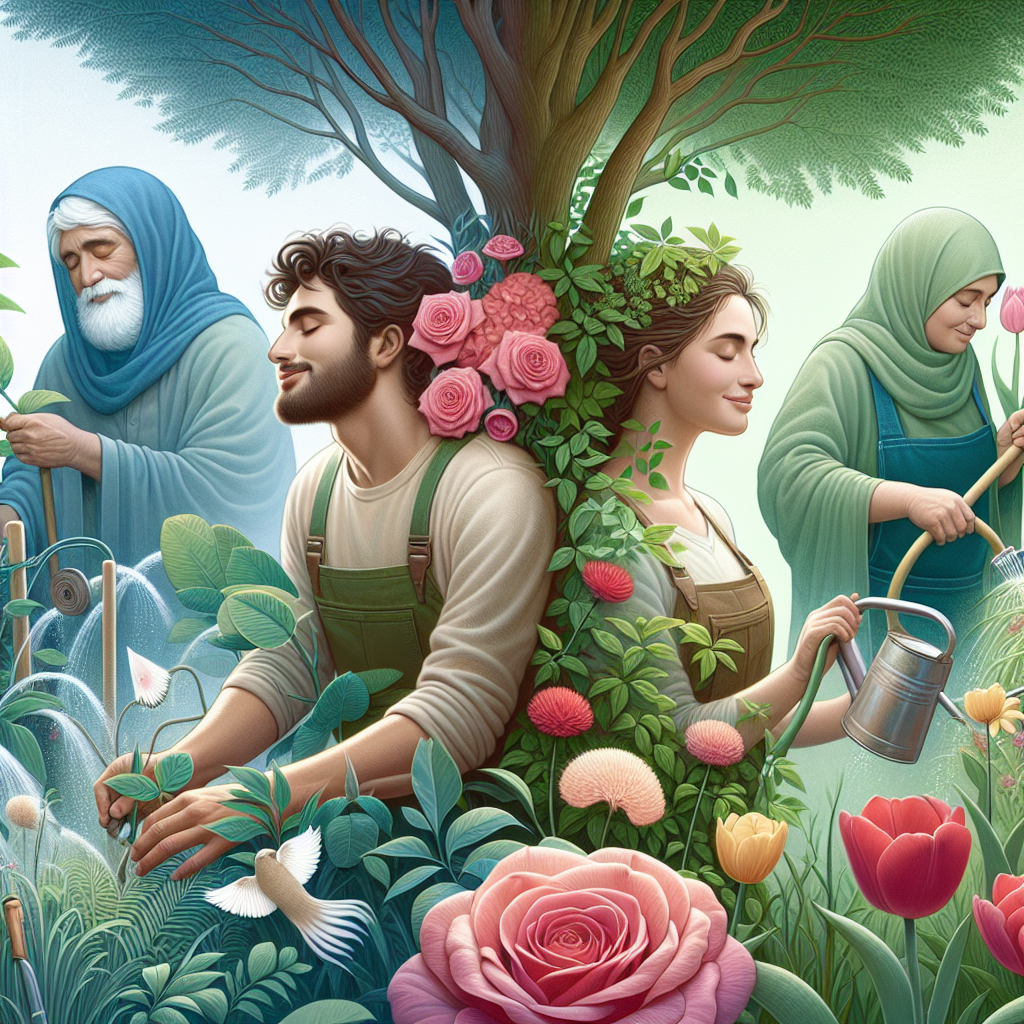
The Joy of Nurturing Plants: Gardening for Personal Well-Being
Introduction
Gardening is an activity that has been practiced for centuries, transcending cultures and societies. It is not merely a means of cultivating food or beautifying spaces; it serves as a profound connection between humans and nature. In recent years, the therapeutic benefits of gardening have gained recognition, with studies highlighting its positive impact on mental and physical well-being. This article delves into the multifaceted joys of nurturing plants, exploring how gardening can serve as a delightful and rewarding pursuit for personal well-being.
The Therapeutic Benefits of Gardening
Gardening as a Stress Reliever
In our fast-paced modern world, stress has become a ubiquitous part of daily life. Gardening offers an effective antidote to this pervasive issue. The act of tending to plants requires focus and patience, creating a meditative state that allows individuals to escape the pressures of everyday life. The rhythmic tasks of planting, watering, and weeding can be particularly soothing, providing a sense of accomplishment and control.
– Gardening promotes mindfulness by encouraging individuals to be present in the moment.
– The physical activity involved in gardening releases endorphins, which are known to alleviate stress and improve mood.
– The natural environment of a garden contributes to a sense of tranquility and peace.
Enhancing Mental Health
Beyond stress relief, gardening has been shown to have a profound impact on mental health. Engaging with plants and nature can reduce symptoms of anxiety and depression. The nurturing aspect of gardening fosters a sense of purpose and responsibility, enhancing self-esteem and overall life satisfaction.
– Gardening provides a sense of achievement as plants grow and thrive under one’s care.
– The exposure to sunlight during gardening activities helps in the production of vitamin D, which is linked to improved mood and cognitive function.
– Community gardening initiatives can reduce feelings of isolation by fostering social connections and collaboration.
Physical Health Benefits
Gardening is not only beneficial for mental health; it also offers numerous physical health advantages. It is a low-impact form of exercise that can be adapted to suit various fitness levels and abilities. Regular gardening can improve cardiovascular health, increase strength, and enhance flexibility.
– Tasks such as digging, planting, and weeding provide a full-body workout.
– Gardening can help manage weight by burning calories and improving metabolism.
– The physical activity involved in gardening can reduce the risk of chronic diseases such as heart disease and diabetes.
Cultivating a Connection with Nature
Fostering Environmental Awareness
Gardening encourages individuals to develop a deeper understanding of and appreciation for the natural world. By engaging directly with the environment, gardeners become more aware of ecological processes and the importance of sustainability. This heightened awareness can lead to more environmentally conscious behaviors and a commitment to preserving natural resources.
– Gardeners often adopt practices such as composting and water conservation to minimize environmental impact.
– Growing one’s own food reduces reliance on commercially produced goods, which often have a significant carbon footprint.
– Gardening can inspire a lifelong commitment to environmental stewardship and conservation.
Promoting Biodiversity
Gardens, whether small or large, can play a crucial role in supporting biodiversity. By cultivating a variety of plants, gardeners provide habitats for numerous species of insects, birds, and small mammals. This not only enhances the ecological health of an area but also contributes to a more balanced and resilient ecosystem.
– Planting native species supports local wildlife and promotes ecological stability.
– Diverse gardens attract pollinators such as bees and butterflies, which are essential for plant reproduction.
– Creating a garden that mimics natural ecosystems can help restore habitats that have been lost to urbanization.
The Joy of Creativity and Personal Expression
Designing a Personal Oasis
Gardening offers an opportunity for creative expression, allowing individuals to design and cultivate a space that reflects their personal tastes and preferences. Whether it is a sprawling landscape or a small balcony garden, the possibilities are endless. The process of planning and designing a garden can be as fulfilling as the act of nurturing the plants themselves.
– Gardeners can experiment with color, texture, and form to create visually appealing compositions.
– The choice of plants and garden features can reflect personal interests, such as a love for exotic species or a focus on edible gardening.
– Gardens can be designed to evoke specific moods or themes, such as tranquility or whimsy.
The Satisfaction of Growing One’s Own Food
One of the most rewarding aspects of gardening is the ability to grow one’s own food. This not only provides a sense of self-sufficiency but also ensures access to fresh, organic produce. The process of cultivating fruits, vegetables, and herbs can be deeply satisfying, offering both culinary and nutritional benefits.
– Homegrown produce often tastes superior to store-bought alternatives due to its freshness and ripeness.
– Growing food at home allows for greater control over the use of pesticides and fertilizers, promoting healthier eating.
– The act of harvesting and preparing homegrown food fosters a deeper connection to the food we consume.
Gardening as a Lifelong Learning Experience
Building Knowledge and Skills
Gardening is a dynamic activity that offers endless opportunities for learning and skill development. From understanding plant biology to mastering horticultural techniques, there is always something new to discover. This continuous learning process can be intellectually stimulating and fulfilling.
– Gardeners often engage in research to identify the best practices for their specific climate and soil conditions.
– Experimenting with different plant varieties and gardening methods can lead to valuable insights and innovations.
– Gardening encourages problem-solving skills as individuals learn to address challenges such as pest control and plant diseases.
Passing on Knowledge to Future Generations
Gardening is a tradition that can be passed down through generations, fostering a sense of continuity and shared experience. By involving children and young people in gardening activities, adults can instill a love for nature and an appreciation for the environment.
– Teaching gardening skills to younger generations promotes environmental awareness and responsibility.
– Gardening with family members can strengthen bonds and create lasting memories.
– Involving children in gardening can inspire curiosity and a lifelong passion for learning about the natural world.
Conclusion
The joy of nurturing plants extends far beyond the physical act of gardening. It encompasses a holistic experience that nurtures the mind, body, and spirit. By engaging with nature, fostering creativity, and promoting well-being, gardening offers a multitude of rewards that enrich our lives. Whether you are an experienced gardener or a novice, the garden provides a sanctuary where personal growth and fulfillment can flourish. In embracing the art of gardening, we not only cultivate plants but also cultivate a deeper understanding of ourselves and our place in the natural world.
