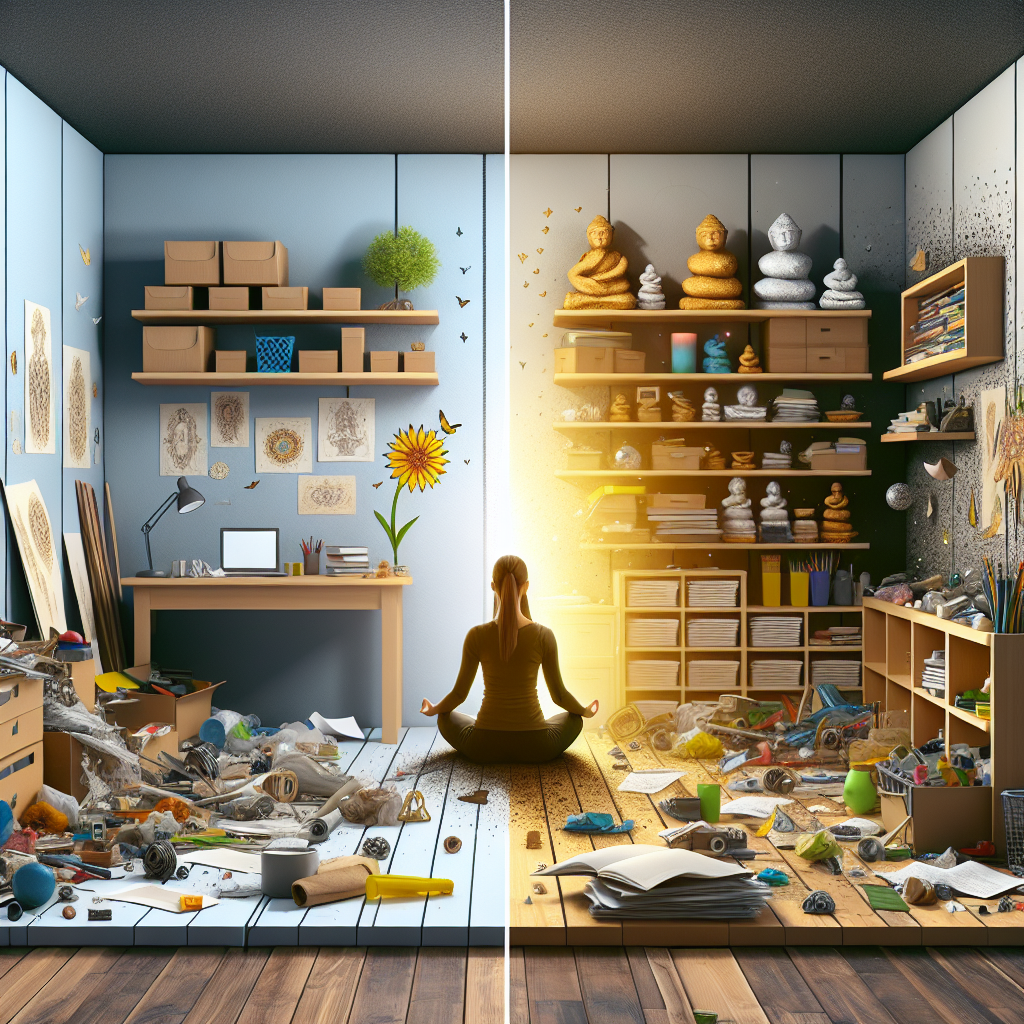
The Power of Decluttering: Organizing Your Space and Mind for Happiness
Introduction
In a world dominated by consumerism and an incessant influx of information, the concept of decluttering has emerged as a beacon of clarity and tranquility. The practice of decluttering involves more than just tidying up physical spaces; it extends to mental and emotional realms, fostering a sense of well-being and happiness. This article explores the transformative power of decluttering, offering insights into its benefits, practical strategies for implementation, and the profound impact it can have on one’s life.
Understanding Decluttering
The Essence of Decluttering
Decluttering is the process of removing unnecessary items from one’s surroundings. It involves evaluating possessions and determining what truly adds value to one’s life. This practice is not about minimalism per se, but about creating an environment that supports well-being and productivity.
The Psychological Impact
Clutter can lead to feelings of stress and overwhelm. It acts as a constant reminder of tasks undone and decisions unmade. By decluttering, individuals can alleviate these feelings, creating a space that fosters peace and focus. This, in turn, can lead to improved mental clarity and emotional stability.
Benefits of Decluttering
Enhanced Focus and Productivity
A cluttered environment can be distracting, making it difficult to concentrate on tasks at hand. By organizing one’s space, individuals can create a conducive environment for focus and productivity. This can lead to improved performance in both personal and professional spheres.
Improved Mental Health
Decluttering has been linked to reduced anxiety and stress levels. A tidy space can promote a sense of calm and order, which is beneficial for mental health. The process of decluttering itself can be therapeutic, providing a sense of accomplishment and control.
Increased Creativity
A clean and organized environment can stimulate creativity. Without the distractions of clutter, the mind is free to explore new ideas and solutions. This can be particularly beneficial for those in creative professions or hobbies.
Better Time Management
An organized space can lead to better time management. When items are easy to find, less time is spent searching for them. This efficiency can lead to more time available for other activities, contributing to a more balanced and fulfilling life.
Steps to Effective Decluttering
Setting Goals and Priorities
Before embarking on a decluttering journey, it is essential to set clear goals and priorities. Determine which areas of your life need attention and what you hope to achieve through decluttering. This could range from creating a more functional workspace to fostering a peaceful home environment.
Starting Small
Decluttering can be overwhelming, especially if there is a significant amount of clutter to tackle. Begin with small, manageable areas, such as a single drawer or a corner of a room. Gradually work your way up to larger spaces as you build confidence and momentum.
Categorizing and Sorting
Divide items into categories such as keep, donate, sell, or discard. This methodical approach simplifies the decision-making process and ensures that each item is evaluated based on its utility and value.
Implementing the Four-Box Method
The four-box method is a practical approach to decluttering. Label four boxes as keep, donate, sell, and trash. As you sort through items, place them in the appropriate box. This method provides a clear framework for decision-making and helps maintain focus during the process.
Maintaining a Decluttered Space
Establishing Routines
To maintain a decluttered environment, establish daily and weekly routines for tidying up. This could involve dedicating a few minutes each day to organizing or setting aside time each week for more thorough cleaning.
Mindful Consumption
Adopt a mindful approach to consumption, being intentional about what you bring into your space. Consider the necessity and value of each new item before making a purchase. This practice can prevent future clutter and promote sustainable living.
Regular Reviews
Periodically review your possessions to ensure they still serve a purpose in your life. This can prevent the accumulation of unnecessary items and help maintain an organized space over time.
Decluttering the Mind
Practicing Mindfulness
Just as physical spaces can become cluttered, so can the mind. Practicing mindfulness can help clear mental clutter. Techniques such as meditation and deep breathing can promote mental clarity and reduce stress.
Prioritizing Tasks
Mental clutter often arises from an overwhelming list of tasks and responsibilities. Prioritize tasks by importance and urgency, focusing on one thing at a time. This approach can alleviate feelings of overwhelm and increase productivity.
Digital Decluttering
In today’s digital age, decluttering extends to digital spaces. Organize files, emails, and digital devices to reduce digital overwhelm. This can create a more efficient and enjoyable digital experience.
The Emotional Journey of Decluttering
Letting Go
Decluttering can be an emotional journey, as it often involves letting go of items with sentimental value. Acknowledge the emotions associated with these items, but focus on the benefits of creating a space that supports your current life and goals.
Celebrating Progress
Celebrate the progress made during the decluttering process. Recognize the positive changes in your environment and mindset, and use this as motivation to continue on your decluttering journey.
Conclusion
The power of decluttering lies in its ability to transform both physical spaces and mental states. By creating an organized environment, individuals can enhance focus, improve mental health, and foster creativity. Decluttering is not a one-time event but a continuous practice that requires commitment and mindfulness. As individuals embrace the principles of decluttering, they can cultivate a space and mindset that support happiness and well-being. In a world filled with distractions and excess, decluttering offers a path to clarity, simplicity, and fulfillment.
