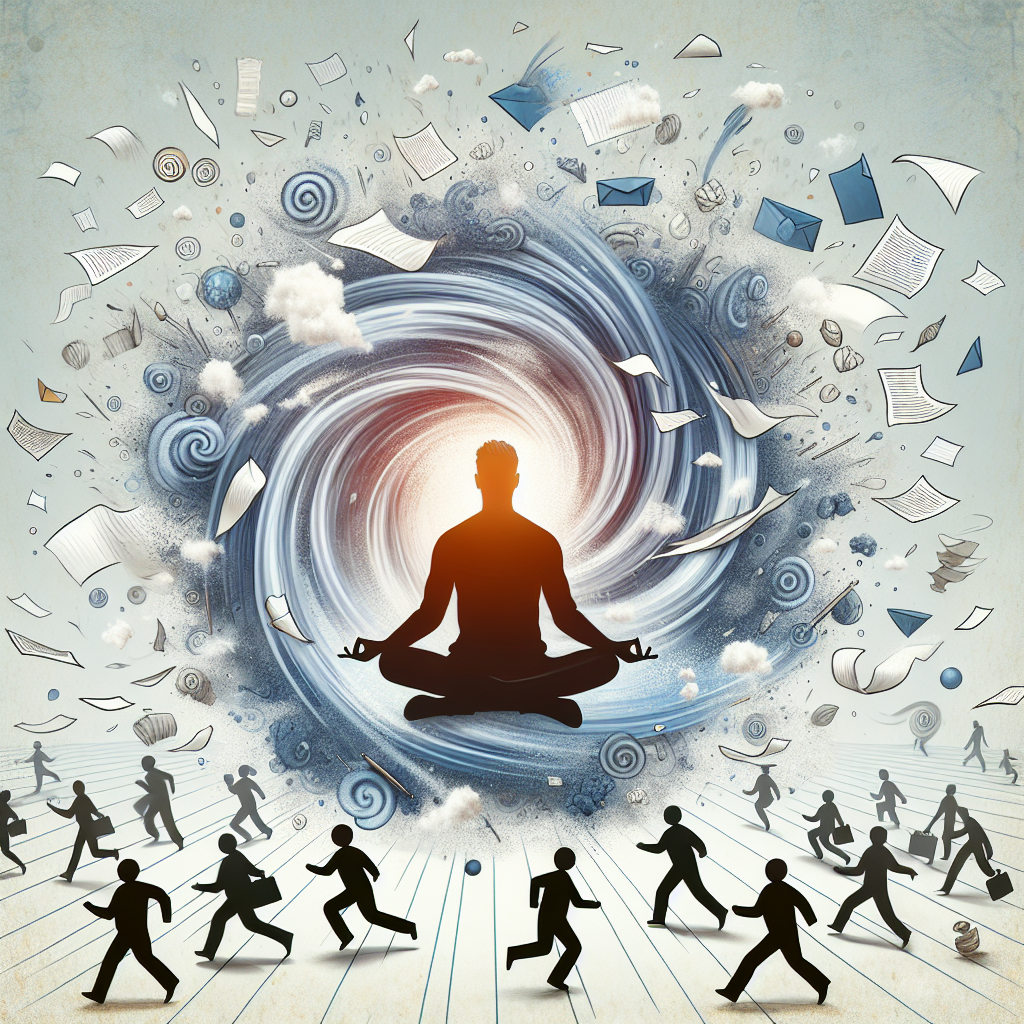
Finding Serenity in Chaos: Stress Management for a Happier Life
Introduction
In today’s fast-paced world, stress has become an inevitable part of life. Whether it is the pressures of work, personal relationships, or the constant barrage of information from digital media, stress can manifest in various ways, impacting both mental and physical health. However, finding serenity amidst this chaos is not only possible but essential for a happier life. This article explores effective stress management techniques that can help individuals navigate the complexities of modern living with grace and resilience.
Understanding Stress: Causes and Effects
Before delving into stress management techniques, it is essential to understand what stress is and how it affects us. Stress is the body’s natural response to perceived threats or challenges. It triggers a cascade of physiological reactions, including the release of hormones like cortisol and adrenaline, which prepare the body for a “fight or flight” response. While this response can be beneficial in short bursts, chronic stress can lead to a host of health issues.
Common Causes of Stress
– Work-related pressures and deadlines
– Financial concerns
– Relationship difficulties
– Health problems
– Major life changes, such as moving or changing jobs
Effects of Chronic Stress
– Increased risk of cardiovascular diseases
– Weakened immune system
– Mental health disorders, including anxiety and depression
– Sleep disturbances
– Digestive issues
The Importance of Stress Management
Effective stress management is crucial for maintaining overall well-being. By learning to manage stress, individuals can improve their quality of life, enhance productivity, and foster healthier relationships. Stress management techniques can also prevent the long-term health consequences associated with chronic stress.
Strategies for Stress Management
1. Mindfulness and Meditation
Mindfulness involves paying attention to the present moment without judgment. It helps individuals become more aware of their thoughts and feelings, allowing them to respond to stressors more calmly. Meditation, a practice often associated with mindfulness, involves focusing the mind to achieve a state of relaxation and heightened awareness.
Benefits of Mindfulness and Meditation
– Reduces anxiety and depression
– Improves concentration and focus
– Enhances emotional regulation
– Promotes a sense of calm and well-being
2. Physical Activity
Regular physical activity is an effective way to manage stress. Exercise releases endorphins, which are natural mood lifters. It also helps reduce levels of stress hormones like cortisol.
Types of Physical Activity
– Aerobic exercises such as running, swimming, or cycling
– Strength training
– Yoga and Pilates
– Recreational activities like dancing or hiking
3. Time Management
Poor time management can lead to stress as individuals struggle to balance various responsibilities. Learning to prioritize tasks and set realistic goals can alleviate this pressure.
Time Management Tips
– Create a daily schedule and stick to it
– Break tasks into smaller, manageable steps
– Use tools like calendars and to-do lists
– Learn to say no to non-essential commitments
4. Social Support
Having a strong support network can significantly reduce stress. Friends, family, and colleagues can provide emotional support, practical assistance, and a sense of belonging.
Building a Support Network
– Stay connected with loved ones through regular communication
– Join clubs or groups with shared interests
– Seek professional help when needed, such as therapy or counseling
5. Healthy Lifestyle Choices
A healthy lifestyle can enhance the body’s resilience to stress. This includes a balanced diet, adequate sleep, and avoiding harmful substances.
Key Lifestyle Choices
– Eat a diet rich in fruits, vegetables, lean proteins, and whole grains
– Aim for 7-9 hours of sleep per night
– Limit caffeine and alcohol intake
– Avoid smoking and recreational drugs
6. Relaxation Techniques
Incorporating relaxation techniques into daily routines can help manage stress levels. These techniques promote relaxation and reduce tension.
Popular Relaxation Techniques
– Deep breathing exercises
– Progressive muscle relaxation
– Visualization or guided imagery
– Aromatherapy
7. Cognitive Behavioral Techniques
Cognitive Behavioral Therapy (CBT) is a structured, goal-oriented approach that helps individuals identify and change negative thought patterns. While traditionally used in therapy settings, some CBT techniques can be practiced independently.
Common CBT Techniques
– Thought challenging to identify and reframe negative thoughts
– Behavioral activation to engage in positive activities
– Problem-solving skills to address stressors effectively
Creating a Personalized Stress Management Plan
While the strategies mentioned above are effective, it is important to recognize that stress management is not a one-size-fits-all solution. Individuals should tailor their approach to suit their unique needs and preferences. Creating a personalized stress management plan involves assessing stressors, setting realistic goals, and experimenting with different techniques to find what works best.
Steps to Create a Stress Management Plan
– Identify primary sources of stress in your life
– Set specific, achievable goals for managing stress
– Select a combination of strategies that align with your lifestyle
– Monitor progress and adjust the plan as needed
The Role of Professional Help
In some cases, stress may become overwhelming, and professional intervention may be necessary. Mental health professionals, such as therapists and counselors, can provide valuable guidance and support. They can help individuals develop coping strategies, work through underlying issues, and create a comprehensive stress management plan.
When to Seek Professional Help
– Persistent feelings of anxiety or depression
– Difficulty functioning in daily life
– Substance abuse as a coping mechanism
– Physical symptoms with no apparent medical cause
Conclusion
Finding serenity in the midst of chaos is a journey that requires patience, self-awareness, and dedication. By understanding the causes and effects of stress, individuals can implement effective stress management strategies to lead happier, healthier lives. Whether through mindfulness, physical activity, social support, or professional help, the path to serenity is attainable. Embracing these techniques not only enhances personal well-being but also fosters resilience, enabling individuals to navigate the complexities of modern life with confidence and grace.
