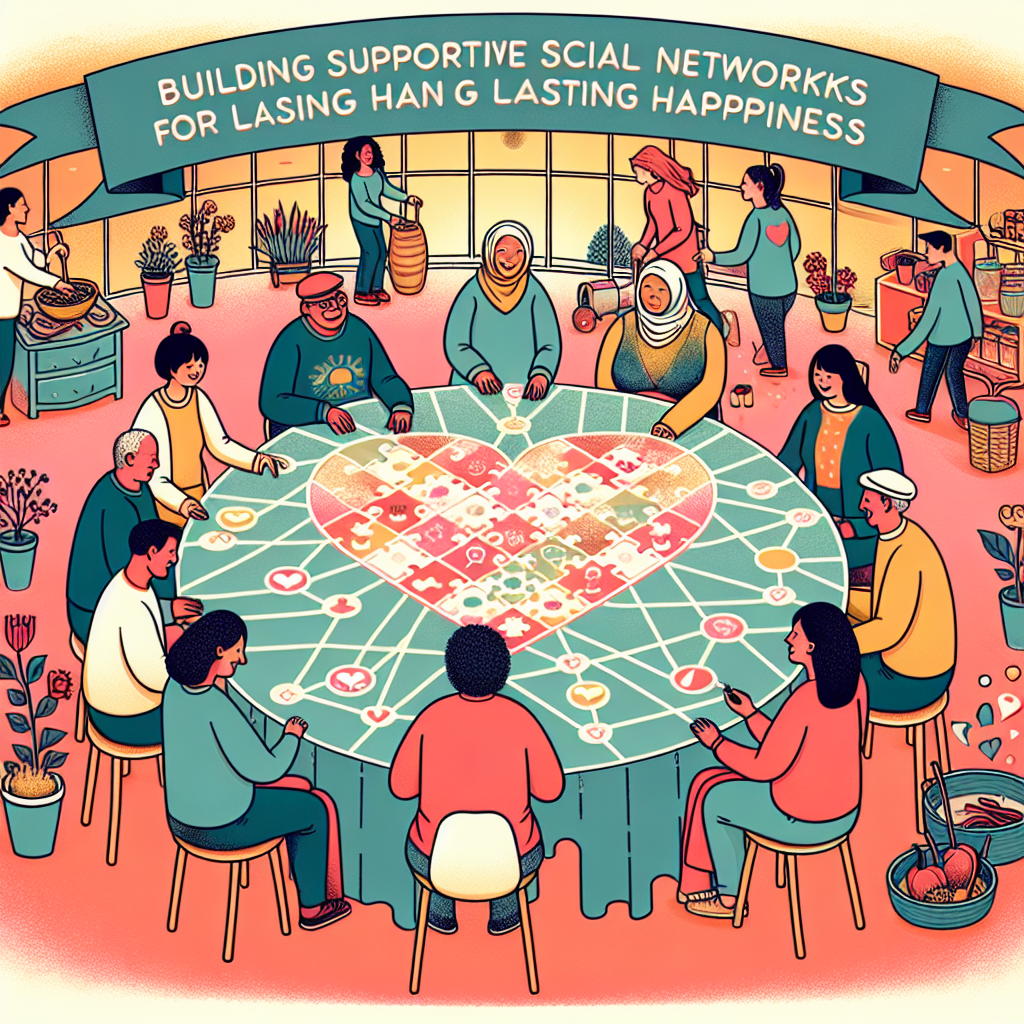
Building Supportive Social Networks for Lasting Happiness
Introduction
In an era where digital connections are at our fingertips and social interactions have transcended geographical boundaries, the significance of building supportive social networks has never been more pertinent. These networks, which encompass family, friends, colleagues, and community groups, play a crucial role in enhancing well-being and fostering lasting happiness. This article delves into the importance of supportive social networks, the benefits they offer, and practical strategies for cultivating and maintaining these invaluable connections.
The Importance of Supportive Social Networks
Social networks are not merely a collection of acquaintances; they are intricate systems of relationships that provide emotional, informational, and instrumental support. The significance of these networks can be understood through several key aspects:
– Emotional Support: Having individuals who listen, empathize, and provide comfort during challenging times is essential for emotional resilience.
– Informational Support: Access to advice, guidance, and knowledge from trusted sources aids in decision-making and problem-solving.
– Instrumental Support: Practical assistance, such as help with tasks or financial support, can alleviate stress and enhance well-being.
– Social Integration: Belonging to a network fosters a sense of identity and community, which is crucial for mental health and happiness.
The Benefits of Supportive Social Networks
Research consistently highlights the positive impact of supportive social networks on various aspects of life. Understanding these benefits can motivate individuals to invest in building and maintaining strong connections.
Improved Mental Health
– Reduced Stress: Interacting with supportive individuals can mitigate stress by providing outlets for expression and reducing feelings of isolation.
– Decreased Risk of Depression: Strong social ties are associated with lower rates of depression, as they offer emotional support and reduce feelings of loneliness.
– Enhanced Self-Esteem: Positive feedback and encouragement from social networks contribute to a healthier self-image and greater confidence.
Physical Health Advantages
– Lower Mortality Rates: Studies have shown that individuals with robust social networks tend to live longer, healthier lives.
– Better Immune Function: Social support can boost the immune system, making individuals more resilient to illnesses.
– Improved Cardiovascular Health: Strong social connections are linked to lower blood pressure and a reduced risk of heart disease.
Increased Life Satisfaction
– Greater Happiness: Engaging in meaningful interactions and feeling supported by others significantly contribute to overall happiness and life satisfaction.
– Enhanced Coping Mechanisms: Supportive networks provide tools and strategies for coping with life’s challenges, leading to a more fulfilling existence.
Strategies for Building Supportive Social Networks
Creating and nurturing supportive social networks requires intentional effort and commitment. The following strategies offer practical guidance for building meaningful connections that contribute to lasting happiness.
Identify and Strengthen Existing Relationships
– Assess Current Connections: Reflect on existing relationships and identify those that are positive, supportive, and nurturing.
– Prioritize Quality Over Quantity: Focus on deepening relationships with individuals who provide genuine support and understanding.
– Communicate Openly: Foster open and honest communication to strengthen bonds and build trust.
Expand Your Social Circles
– Join Community Groups: Participate in local clubs, organizations, or volunteer opportunities to meet like-minded individuals.
– Attend Social Events: Engage in social gatherings, workshops, or events that align with personal interests to expand networks.
– Leverage Online Platforms: Utilize social media and professional networking sites to connect with individuals who share similar passions.
Cultivate New Relationships
– Be Proactive: Take the initiative to reach out and introduce yourself to new people, whether in social or professional settings.
– Show Genuine Interest: Demonstrate curiosity and interest in others’ lives, fostering a sense of connection and rapport.
– Practice Active Listening: Listen attentively and empathetically to others, creating a supportive environment for open dialogue.
Maintain and Nurture Relationships
– Regular Communication: Stay in touch with friends and family through phone calls, messages, or in-person meetings.
– Offer Support: Be available to provide assistance and support to others, strengthening reciprocal relationships.
– Celebrate Milestones: Acknowledge and celebrate important events and achievements in others’ lives, reinforcing bonds.
Overcoming Challenges in Building Supportive Social Networks
While building supportive social networks is rewarding, it is not without challenges. Recognizing and addressing these obstacles can facilitate the development of meaningful connections.
Overcoming Social Anxiety
– Practice Gradual Exposure: Start by engaging in small social interactions and gradually increase complexity as confidence grows.
– Focus on Shared Interests: Build connections around common hobbies or interests to ease social anxiety and foster rapport.
– Seek Professional Support: Consider therapy or counseling to address underlying social anxiety and develop coping strategies.
Balancing Digital and In-Person Interactions
– Set Boundaries: Establish clear boundaries for digital communication to prevent burnout and ensure meaningful interactions.
– Prioritize Face-to-Face Meetings: Whenever possible, prioritize in-person interactions to strengthen emotional connections.
– Utilize Technology Mindfully: Use digital platforms to maintain connections but avoid excessive reliance on virtual interactions.
Addressing Geographical Barriers
– Embrace Virtual Connections: Use video calls and online platforms to maintain relationships with those who are geographically distant.
– Plan Regular Visits: Schedule visits to connect with distant friends and family, reinforcing bonds and creating shared memories.
– Explore Local Opportunities: Engage with local communities to build new connections and expand social networks.
Conclusion
Building supportive social networks is a vital component of achieving lasting happiness and well-being. By understanding the importance of these networks, recognizing their benefits, and implementing practical strategies, individuals can cultivate meaningful connections that enhance their lives. While challenges may arise, overcoming them with intentional effort and commitment can lead to a fulfilling and enriched social existence. Ultimately, the investment in building and nurturing supportive social networks is an investment in one’s happiness and overall quality of life.
