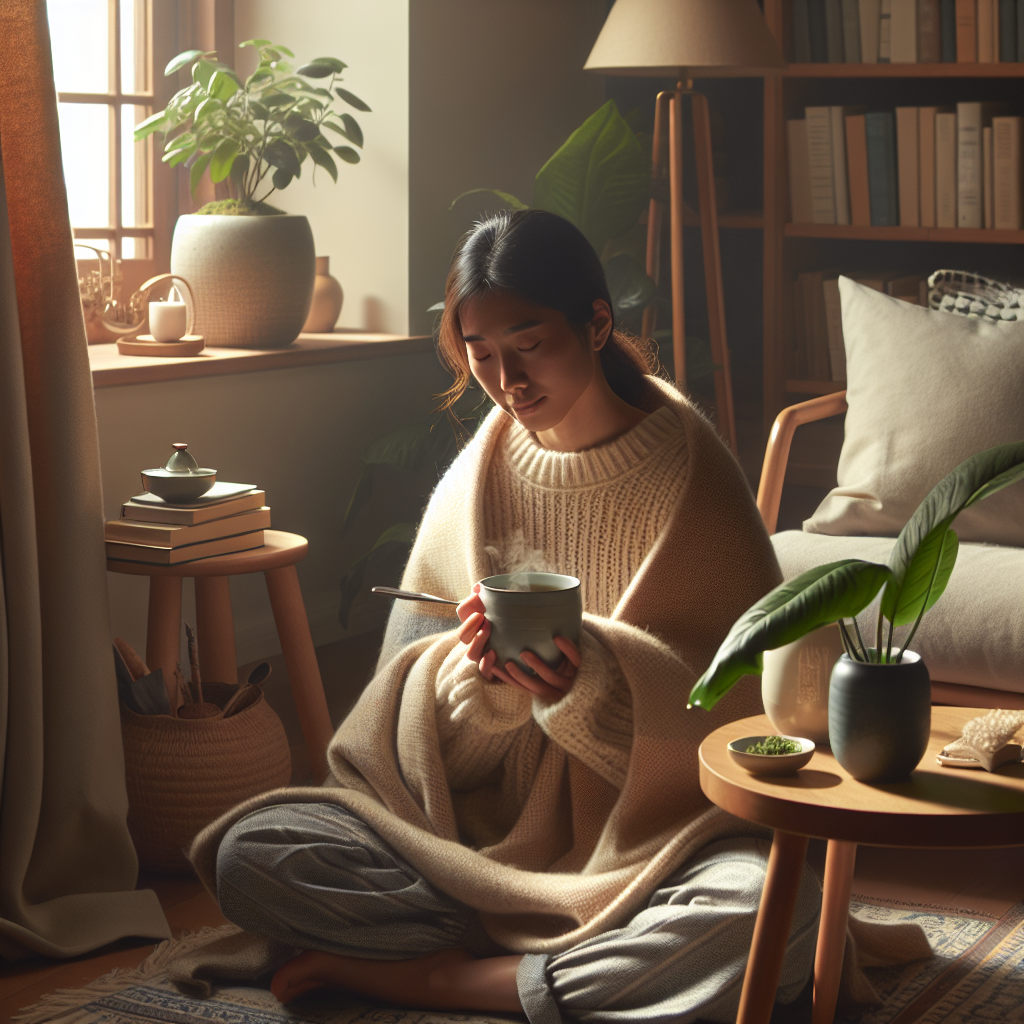
The Art of Self-Care: Prioritizing Your Well-Being and Happiness
In today’s fast-paced world, self-care has evolved from a luxury to a necessity. As we navigate through the demands of work, family, and social commitments, the importance of taking time for oneself is paramount. Self-care is not merely about indulgence; it’s a proactive approach to maintaining physical, emotional, and mental well-being. This article delves into the multifaceted concept of self-care, providing insights and actionable steps to prioritize your well-being and happiness.
Understanding Self-Care
Self-care is often misunderstood as a selfish act, but in reality, it is a crucial component of a balanced life. It encompasses a wide range of activities that promote health and happiness, enabling individuals to function at their best.
– **Physical Self-Care**: This involves activities that improve physical health, such as exercise, nutrition, and adequate sleep. It is about listening to your body and responding to its needs.
– **Emotional Self-Care**: This aspect focuses on understanding and nurturing your emotions. It involves activities that help you process and express feelings in a healthy way.
– **Mental Self-Care**: Engaging in activities that stimulate the mind and reduce stress falls under this category. It includes practices like meditation, reading, and engaging in creative pursuits.
– **Social Self-Care**: Maintaining healthy relationships and social interactions is vital for emotional well-being. This involves spending time with loved ones and building a supportive network.
– **Spiritual Self-Care**: This involves activities that nurture the spirit and provide a sense of purpose. It can include practices like meditation, prayer, or spending time in nature.
The Importance of Self-Care
Self-care is not just about pampering oneself; it is a fundamental aspect of maintaining a healthy lifestyle. When individuals prioritize self-care, they are better equipped to handle stress, build resilience, and improve overall quality of life.
– **Stress Reduction**: Regular self-care practices can significantly reduce stress levels. Activities like yoga, meditation, and deep breathing are known to lower cortisol levels, the hormone associated with stress.
– **Improved Physical Health**: Engaging in regular physical activity and maintaining a balanced diet can prevent chronic diseases and boost energy levels.
– **Enhanced Emotional Well-Being**: Self-care activities that focus on emotional health can lead to improved mood, reduced anxiety, and increased feelings of happiness.
– **Increased Productivity**: When individuals take time to care for themselves, they often find they are more focused and productive in their daily tasks.
– **Better Relationships**: By prioritizing self-care, individuals can improve their ability to connect with others, leading to healthier and more fulfilling relationships.
Creating a Personalized Self-Care Plan
Creating a self-care plan tailored to your unique needs and lifestyle is crucial for ensuring its effectiveness. Here are some steps to help you develop a personalized self-care routine.
– **Assess Your Needs**: Begin by evaluating which areas of your life need more attention. Consider your physical, emotional, mental, social, and spiritual needs.
– **Set Realistic Goals**: Establish achievable self-care goals that align with your lifestyle. Start small and gradually incorporate more activities into your routine.
– **Schedule Self-Care Time**: Treat self-care as a non-negotiable appointment with yourself. Set aside dedicated time in your schedule for these activities.
– **Be Consistent**: Consistency is key to reaping the benefits of self-care. Make it a regular part of your routine rather than an occasional treat.
– **Adapt and Evolve**: Your self-care needs may change over time, so be open to adjusting your plan as necessary.
Incorporating Self-Care into Daily Life
Integrating self-care into daily life doesn’t have to be a daunting task. Here are some practical ways to incorporate self-care into your everyday routine.
– **Morning Rituals**: Start your day with activities that set a positive tone. This could include meditation, stretching, or enjoying a nutritious breakfast.
– **Mindful Eating**: Pay attention to what you eat and savor each bite. Eating mindfully can improve digestion and promote a healthier relationship with food.
– **Physical Activity**: Find an exercise routine that you enjoy, whether it’s yoga, dancing, or a brisk walk. Regular physical activity is essential for maintaining physical and mental health.
– **Digital Detox**: Take regular breaks from screens and social media to reduce stress and improve focus.
– **Gratitude Practice**: Spend a few minutes each day reflecting on what you are grateful for. This simple practice can enhance your mood and shift your perspective.
Overcoming Barriers to Self-Care
Despite understanding its importance, many people struggle to prioritize self-care. Common barriers include time constraints, guilt, and societal pressures. Here are some strategies to overcome these obstacles.
– **Time Management**: Prioritize self-care by identifying and eliminating time-wasting activities. Use tools like planners or digital apps to organize your schedule.
– **Letting Go of Guilt**: Understand that taking time for yourself is not selfish. It is essential for your well-being and enables you to be more present for others.
– **Setting Boundaries**: Learn to say no to activities or commitments that drain your energy. Protect your time and prioritize activities that nurture you.
– **Seeking Support**: Surround yourself with people who understand and support your self-care efforts. Share your goals with friends or family who can help hold you accountable.
– **Challenge Societal Norms**: Recognize and challenge societal expectations that prioritize productivity over well-being. Advocate for a balanced approach to life.
The Role of Self-Compassion in Self-Care
Self-compassion is a vital component of effective self-care. It involves treating yourself with kindness and understanding, especially during challenging times.
– **Understanding Self-Compassion**: Self-compassion means acknowledging your struggles and treating yourself with the same kindness you would offer a friend.
– **Practicing Self-Compassion**: Engage in self-compassionate practices such as positive self-talk, journaling, or seeking professional support when needed.
– **Benefits of Self-Compassion**: Research shows that self-compassion can lead to increased resilience, reduced stress, and greater overall well-being.
The Impact of Self-Care on Mental Health
The connection between self-care and mental health is profound. Regular self-care practices can significantly impact mental health by reducing symptoms of anxiety and depression and enhancing overall emotional resilience.
– **Mindfulness and Meditation**: These practices can help calm the mind, improve focus, and reduce symptoms of anxiety and depression.
– **Creative Expression**: Engaging in creative activities like painting, writing, or playing music can provide an emotional outlet and promote mental well-being.
– **Nature Therapy**: Spending time in nature has been shown to reduce stress and improve mood. Activities like hiking, gardening, or simply sitting in a park can be incredibly restorative.
– **Therapeutic Practices**: Seeking professional support through therapy or counseling can provide valuable tools for managing mental health challenges.
The Future of Self-Care
As society continues to recognize the importance of self-care, its future holds exciting possibilities. Advancements in technology and a growing awareness of mental health are shaping the way we approach self-care.
– **Technological Innovations**: Apps and wearable technology are making it easier to track and manage self-care activities, providing personalized insights and recommendations.
– **Workplace Wellness**: More companies are recognizing the importance of employee well-being and are incorporating self-care practices into workplace culture.
– **Holistic Approaches**: There is a growing trend towards holistic self-care practices that consider the interconnectedness of physical, emotional, mental, and spiritual health.
Conclusion
The art of self-care is an ongoing journey of self-discovery and growth. By prioritizing your well-being and happiness, you can lead a more balanced, fulfilling life. Remember, self-care is not a one-size-fits-all approach; it is a personal practice that evolves with you. Embrace the process, be kind to yourself, and make self-care an integral part of your daily routine. Your future self will thank you.
