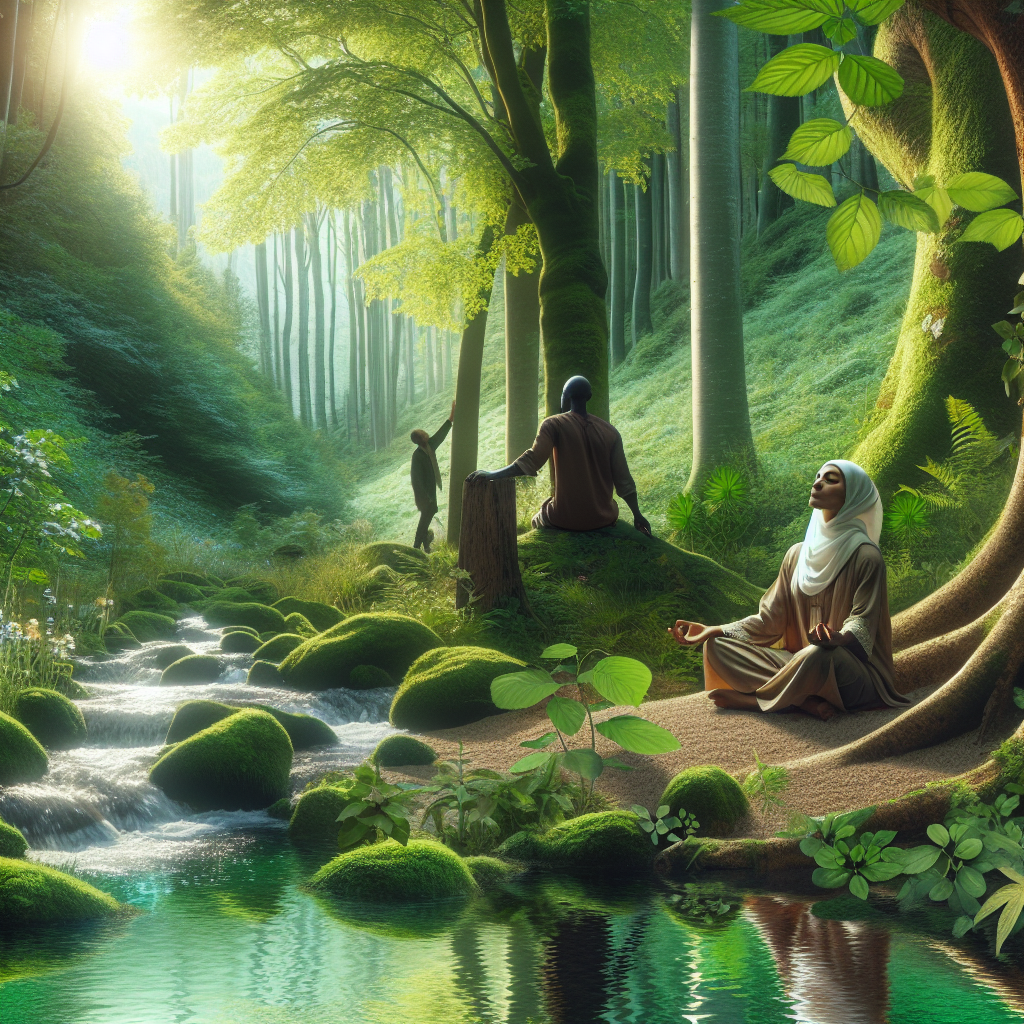
The Healing Power of Nature and Ecotherapy
Nature has always been a source of inspiration, solace, and healing for humanity. From the ancient practices of forest bathing in Japan to the modern-day resurgence of ecotherapy, the natural world offers profound benefits for mental, emotional, and physical well-being. As our lives become increasingly urbanized and fast-paced, the need to reconnect with nature becomes more crucial than ever. This article explores the healing power of nature and the growing field of ecotherapy, providing insights into how these practices can enhance our quality of life.
Understanding Ecotherapy
Ecotherapy, also known as nature therapy or green therapy, is a therapeutic practice that involves engaging with nature to improve mental and physical health. It is based on the premise that humans have an innate connection to the natural world, and that spending time in nature can lead to significant health benefits.
– **History and Origins**
Ecotherapy is not a novel concept. Indigenous cultures have long recognized the healing properties of nature and have incorporated natural elements into their healing practices. The modern ecotherapy movement, however, gained momentum in the late 20th century as researchers began to study the psychological benefits of nature exposure.
– **Types of Ecotherapy**
Ecotherapy encompasses a variety of practices, each with its own unique approach to healing. Some of the most common types include:
– **Horticultural Therapy**: Involves gardening and plant care, promoting relaxation and a sense of accomplishment.
– **Animal-Assisted Therapy**: Engages individuals in interactions with animals, which can reduce stress and encourage social interaction.
– **Wilderness Therapy**: Utilizes outdoor adventures and challenges to foster personal growth and self-discovery.
– **Forest Bathing**: Originating from Japan, this practice involves immersing oneself in a forest environment to enhance well-being.
The Science Behind Nature’s Healing Power
Numerous studies have highlighted the positive effects of nature on human health. The scientific community has increasingly recognized the importance of incorporating natural elements into therapeutic practices.
– **Psychological Benefits**
Spending time in nature has been shown to reduce symptoms of anxiety and depression. The calming effect of natural environments can lower cortisol levels, the hormone associated with stress. Additionally, nature exposure can enhance mood and increase feelings of happiness and contentment.
– **Cognitive Benefits**
Nature can also boost cognitive function. Studies have demonstrated that spending time in green spaces can improve attention span, memory, and creativity. This is particularly beneficial in our technology-driven world, where attention is often fragmented.
– **Physical Benefits**
Engaging with nature encourages physical activity, which is essential for maintaining overall health. Activities such as hiking, gardening, and walking in parks can improve cardiovascular health, strengthen muscles, and enhance flexibility.
Ecotherapy in Practice
Ecotherapy is not just about spending time outdoors; it involves intentional activities and practices that promote healing and personal growth. Here are some practical ways to incorporate ecotherapy into daily life.
– **Mindful Nature Walks**
Taking a mindful walk in a natural setting can be a powerful form of ecotherapy. Focus on the sights, sounds, and smells around you, and allow yourself to be fully present in the moment. This practice can help reduce stress and increase mindfulness.
– **Gardening**
Gardening is a therapeutic activity that allows individuals to connect with the earth and nurture living things. The process of planting, tending, and harvesting can provide a sense of accomplishment and fulfillment.
– **Nature Journaling**
Keeping a nature journal encourages observation and reflection. Documenting experiences and thoughts while immersed in nature can deepen one’s connection to the environment and enhance self-awareness.
– **Outdoor Meditation**
Practicing meditation in a natural setting can amplify its benefits. The tranquility of nature provides an ideal backdrop for meditation, promoting relaxation and inner peace.
Case Studies: Success Stories of Ecotherapy
Ecotherapy has been successfully implemented in various settings, providing tangible benefits to diverse populations. Here are a few notable examples.
– **Veterans and PTSD**
Ecotherapy programs have been used to support veterans dealing with post-traumatic stress disorder (PTSD). Activities such as wilderness therapy and animal-assisted therapy have helped veterans build trust, improve social skills, and reduce symptoms of PTSD.
– **Youth Development**
Wilderness therapy programs for at-risk youth have proven effective in promoting personal growth and resilience. These programs often involve outdoor adventures that challenge participants physically and mentally, fostering self-confidence and leadership skills.
– **Urban Communities**
In urban areas, community gardens and green spaces have been developed to improve residents’ well-being. These initiatives provide opportunities for social interaction, physical activity, and access to fresh produce, contributing to a healthier lifestyle.
The Future of Ecotherapy
As awareness of the benefits of ecotherapy grows, its integration into mainstream healthcare is becoming increasingly likely. Here are some potential developments in the field.
– **Incorporation into Healthcare Systems**
There is a growing interest in integrating ecotherapy into traditional healthcare systems. Some healthcare providers are beginning to prescribe nature-based activities as part of treatment plans for mental health conditions.
– **Research and Innovation**
Continued research into the mechanisms behind nature’s healing power will further validate the effectiveness of ecotherapy. Innovative approaches, such as virtual reality nature experiences, may also emerge as complementary therapies.
– **Global Initiatives**
Ecotherapy has the potential to address global health challenges, such as stress and mental health disorders. International collaborations and initiatives could promote the adoption of ecotherapy practices worldwide.
Challenges and Considerations
While ecotherapy offers numerous benefits, it is essential to consider potential challenges and limitations.
– **Accessibility**
Access to natural environments can be limited for individuals living in urban areas or those with mobility issues. Efforts to create accessible green spaces and incorporate nature into urban planning are crucial.
– **Cultural Sensitivity**
Ecotherapy practices should be culturally sensitive and inclusive. Recognizing and respecting diverse cultural perspectives on nature is essential for effective implementation.
– **Personalization**
Ecotherapy is not a one-size-fits-all solution. Tailoring practices to individual needs and preferences is important for maximizing benefits.
Conclusion
The healing power of nature and ecotherapy offers a promising avenue for enhancing mental, emotional, and physical well-being. As we navigate the challenges of modern life, reconnecting with nature can provide a sense of balance and tranquility. Whether through mindful walks, gardening, or wilderness adventures, engaging with the natural world has the potential to transform our lives. By embracing ecotherapy, we can harness the restorative power of nature and foster a healthier, more harmonious relationship with the world around us.
