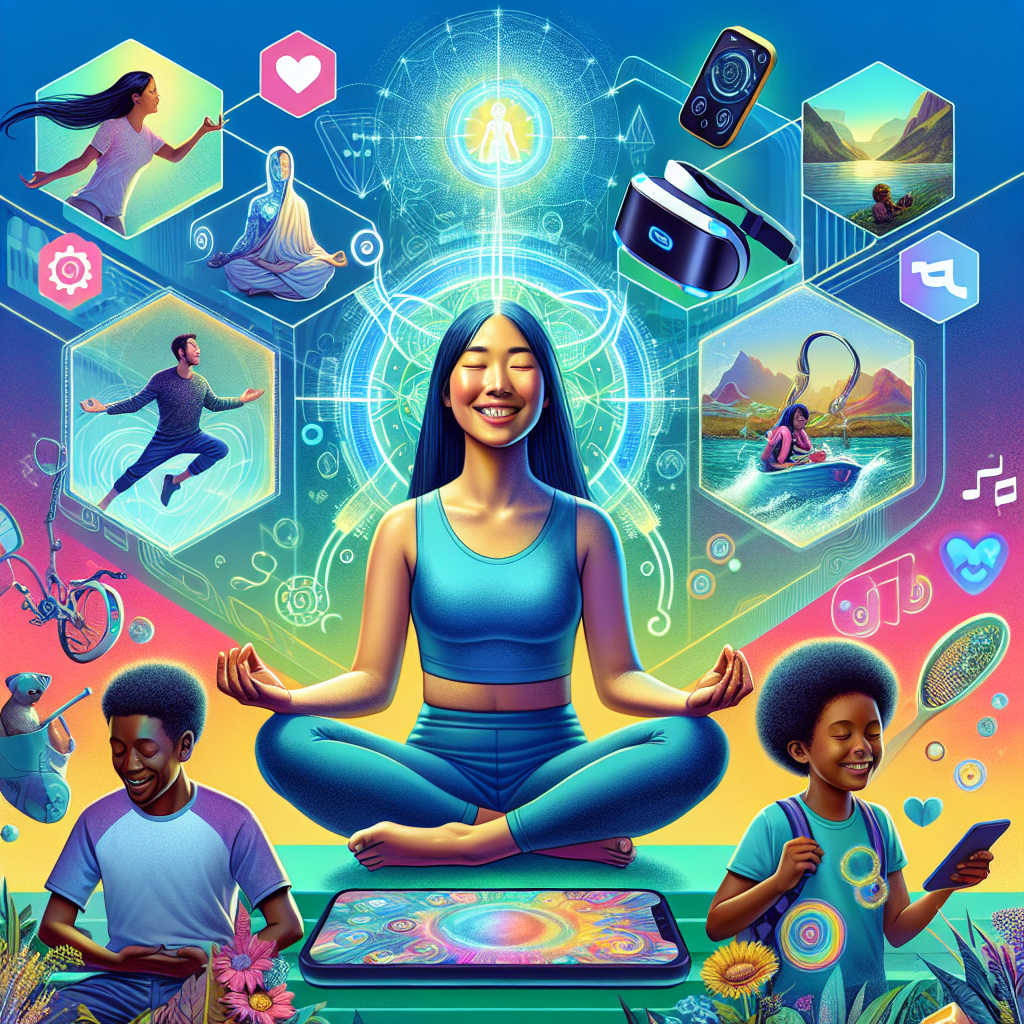
The Connection Between Technology and Happiness: A Guide to Digital Well-Being
In the modern age, technology has become an integral part of our daily lives. From smartphones and social media to artificial intelligence and virtual reality, technology has transformed how we communicate, work, and entertain ourselves. While these advancements have brought numerous benefits, they have also raised concerns about their impact on our well-being and happiness. This article explores the intricate relationship between technology and happiness and provides guidance on achieving digital well-being.
Understanding Digital Well-Being
Digital well-being refers to the state of mental, physical, and emotional health that arises from our interactions with technology. It involves using digital devices in a way that enhances our quality of life without compromising our overall happiness.
The Dual Nature of Technology
– Positive Impacts: Technology can enhance our lives by providing access to information, facilitating communication, and offering entertainment. It can also improve productivity, connect us with loved ones, and provide platforms for learning and self-expression.
– Negative Impacts: On the flip side, excessive use of technology can lead to addiction, social isolation, and mental health issues. It can disrupt sleep patterns, reduce physical activity, and increase stress levels.
The Science Behind Technology and Happiness
Research has shown that technology can influence our happiness in both positive and negative ways. Understanding this relationship requires examining the psychological and physiological effects of technology use.
Psychological Effects
– Social Connectivity: Social media platforms can foster connections and create a sense of belonging. However, they can also lead to social comparison, envy, and loneliness.
– Information Overload: The constant influx of information can lead to cognitive overload, reducing our ability to focus and process information effectively.
– Instant Gratification: Technology provides immediate rewards, which can lead to addictive behaviors and reduced patience.
Physiological Effects
– Sleep Disruption: The blue light emitted by screens can interfere with our circadian rhythms, leading to poor sleep quality.
– Physical Health: Prolonged use of digital devices can contribute to a sedentary lifestyle, leading to health issues such as obesity and cardiovascular disease.
– Stress and Anxiety: The constant connectivity and pressure to respond to messages can increase stress and anxiety levels.
Strategies for Achieving Digital Well-Being
To maintain a healthy relationship with technology, it is essential to adopt strategies that promote digital well-being. Here are some practical tips:
Setting Boundaries
– Limit Screen Time: Establish specific times during the day when you will disconnect from digital devices. Use apps to track and manage your screen time.
– Create Tech-Free Zones: Designate areas in your home where technology is not allowed, such as the dining room or bedroom.
– Schedule Breaks: Take regular breaks from screens to rest your eyes and engage in physical activity.
Mindful Technology Use
– Practice Digital Mindfulness: Be aware of how and why you are using technology. Focus on intentional and purposeful use rather than mindless scrolling.
– Prioritize Quality Interactions: Engage in meaningful conversations and interactions, both online and offline.
– Curate Your Digital Environment: Unfollow accounts that do not bring value to your life and subscribe to content that inspires and educates you.
Enhancing Physical and Mental Health
– Stay Active: Incorporate physical activity into your daily routine to counteract the sedentary nature of technology use.
– Practice Relaxation Techniques: Engage in activities such as meditation, yoga, or deep breathing exercises to reduce stress and anxiety.
– Maintain a Healthy Sleep Routine: Establish a bedtime routine that minimizes screen exposure before sleep.
The Role of Technology Companies
Technology companies play a crucial role in promoting digital well-being. By designing products and services that prioritize user health, they can contribute to a healthier digital environment.
Designing for Well-Being
– User-Centric Design: Develop interfaces that are intuitive and minimize cognitive load.
– Features for Well-Being: Incorporate features that encourage healthy usage patterns, such as screen time reminders and digital detox options.
– Ethical Considerations: Prioritize ethical considerations in product development to avoid exploiting user vulnerabilities.
Promoting Awareness
– Education Initiatives: Offer resources and workshops to educate users about digital well-being and responsible technology use.
– Collaboration with Experts: Partner with mental health professionals to develop strategies that support user well-being.
– Transparency: Be transparent about data usage and privacy policies to build trust with users.
The Future of Technology and Happiness
As technology continues to evolve, it is essential to consider its impact on our happiness and well-being. Emerging technologies, such as virtual reality and artificial intelligence, present both opportunities and challenges.
Opportunities
– Personalized Experiences: AI can tailor content and experiences to individual preferences, enhancing satisfaction and engagement.
– Health and Wellness: Wearable technology can monitor health metrics and provide personalized recommendations for improving well-being.
– Enhanced Learning: Virtual reality can create immersive learning environments that enhance educational outcomes.
Challenges
– Privacy Concerns: The collection and use of personal data raise privacy concerns that need to be addressed.
– Ethical Dilemmas: The development of AI and other technologies presents ethical dilemmas that require careful consideration.
– Digital Divide: Ensuring equitable access to technology is essential to prevent disparities in well-being.
Conclusion
The connection between technology and happiness is complex and multifaceted. While technology offers numerous benefits, it also poses challenges to our well-being. By adopting strategies for digital well-being and encouraging responsible technology use, we can harness the power of technology to enhance our happiness and quality of life. As we navigate the digital age, it is crucial to remain mindful of our interactions with technology and strive for a balanced and fulfilling relationship with the digital world.
