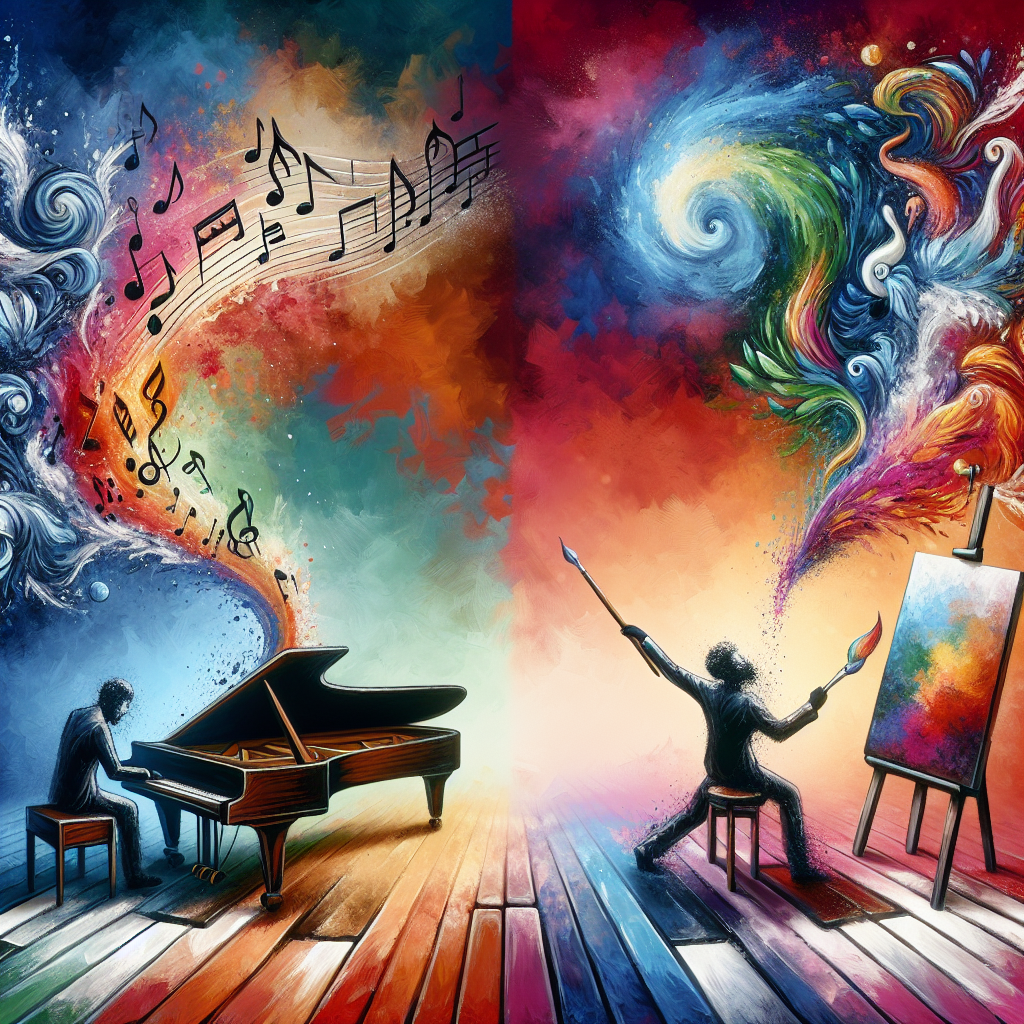
The Impact of Music and Art on Emotional Wellness
Introduction
In a world increasingly dominated by technology and fast-paced lifestyles, the importance of emotional wellness cannot be overstated. Emotional wellness is crucial for overall health, influencing how we think, feel, and behave. It also impacts our ability to handle stress, relate to others, and make decisions. While there are numerous ways to cultivate emotional wellness, two of the most powerful and accessible tools are music and art. This article delves into the profound impact that music and art have on emotional wellness, exploring their benefits, mechanisms, and practical applications.
The Science Behind Music and Emotional Wellness
Music is more than just a form of entertainment; it is a universal language that transcends cultural and linguistic barriers. Scientific research has shown that music can have a profound effect on our emotions and mental state.
– **Neurochemical Responses**: Listening to music triggers the release of various neurochemicals in the brain, such as dopamine, oxytocin, and serotonin. These chemicals are associated with feelings of pleasure, bonding, and well-being.
– **Stress Reduction**: Music has been found to lower cortisol levels, the hormone responsible for stress. This is particularly beneficial for people who suffer from chronic stress or anxiety.
– **Mood Regulation**: Different types of music can evoke different emotional responses. For instance, upbeat music can lift your spirits, while slower, more melodic tunes can help you relax and unwind.
The Role of Art in Emotional Wellness
Art, like music, has the power to evoke a wide range of emotions. It provides an outlet for self-expression and can be a therapeutic tool for emotional wellness.
– **Creativity and Self-Expression**: Engaging in artistic activities allows individuals to express their thoughts and feelings in a non-verbal way. This can be particularly beneficial for those who find it difficult to articulate their emotions.
– **Mindfulness and Focus**: Creating art requires concentration and focus, which can help individuals enter a state of mindfulness. This can be incredibly calming and can serve as a form of meditation.
– **Emotional Release**: Art can serve as a safe space for emotional release. Whether it’s through painting, sculpting, or drawing, the act of creating can help individuals process and release pent-up emotions.
The Therapeutic Benefits of Music and Art
Both music and art have been widely used in therapeutic settings to improve emotional wellness. These therapies can be particularly effective for individuals dealing with mental health issues such as depression, anxiety, and PTSD.
Music Therapy
Music therapy involves the use of music to address emotional, cognitive, and social needs. It can take various forms, including listening to music, playing instruments, or even composing songs.
– **Emotional Expression**: Music therapy provides a safe space for individuals to express their emotions. This can be particularly beneficial for those who have difficulty verbalizing their feelings.
– **Social Connection**: Group music therapy sessions can foster a sense of community and belonging, which is crucial for emotional wellness.
– **Cognitive Benefits**: Music therapy has been shown to improve cognitive functions such as memory, attention, and executive function. This can be particularly beneficial for individuals with neurological conditions.
Art Therapy
Art therapy uses the creative process of making art to improve a person’s physical, mental, and emotional well-being. It is based on the belief that the creative process involved in artistic self-expression helps people resolve conflicts, develop interpersonal skills, manage behavior, reduce stress, and increase self-esteem.
– **Emotional Healing**: Art therapy can help individuals process traumatic experiences and emotions. The act of creating can serve as a form of emotional release and healing.
– **Self-Discovery**: Engaging in art therapy can lead to greater self-awareness and understanding. It allows individuals to explore their thoughts and feelings in a non-judgmental space.
– **Stress Reduction**: The act of creating art can be incredibly calming and can help reduce stress and anxiety levels.
Practical Applications of Music and Art for Emotional Wellness
Incorporating music and art into your daily routine can have significant benefits for emotional wellness. Here are some practical ways to do so:
Listening to Music
– **Create Playlists**: Curate playlists for different moods and activities. For instance, have a playlist for relaxation, one for motivation, and another for concentration.
– **Mindful Listening**: Take time to listen to music mindfully. Pay attention to the lyrics, melody, and instruments. This can be a form of meditation and can help you connect with your emotions.
– **Live Performances**: Attend live music performances whenever possible. The communal experience of enjoying music with others can be incredibly uplifting.
Engaging in Art
– **Art Journaling**: Keep an art journal where you can freely express your thoughts and feelings through drawing, painting, or collage.
– **Art Classes**: Enroll in art classes to learn new techniques and meet like-minded individuals. This can be a great way to foster a sense of community and belonging.
– **DIY Projects**: Engage in do-it-yourself art projects. Whether it’s knitting, pottery, or woodworking, the act of creating something with your hands can be incredibly satisfying and therapeutic.
Case Studies and Real-Life Examples
To further illustrate the impact of music and art on emotional wellness, let’s look at some real-life examples and case studies.
Case Study: Music Therapy for PTSD
A study conducted by the National Center for PTSD found that music therapy significantly reduced symptoms of PTSD in veterans. The therapy involved both listening to music and creating music, providing a dual approach to emotional healing. Participants reported feeling more relaxed, less anxious, and better able to cope with their symptoms.
Real-Life Example: Art Therapy for Depression
Jane, a 35-year-old woman struggling with severe depression, found solace in art therapy. Through painting and drawing, she was able to express emotions that she couldn’t put into words. Over time, she noticed a significant improvement in her mood and overall emotional well-being. Art therapy provided her with a safe space to explore her feelings and develop healthier coping mechanisms.
The Future of Music and Art in Emotional Wellness
As research continues to uncover the benefits of music and art for emotional wellness, these modalities are likely to become even more integrated into mainstream healthcare and wellness practices.
– **Technological Advancements**: Virtual reality and augmented reality are opening new avenues for music and art therapy. These technologies can create immersive experiences that enhance the therapeutic effects of music and art.
– **Personalized Therapy**: Advances in neuroscience and psychology are paving the way for more personalized approaches to music and art therapy. Tailoring these therapies to individual needs can maximize their effectiveness.
– **Community Programs**: Increasingly, community centers, schools, and workplaces are recognizing the importance of emotional wellness and are incorporating music and art programs into their offerings. These programs can provide accessible and affordable ways for individuals to improve their emotional well-being.
Conclusion
The impact of music and art on emotional wellness is profound and multifaceted. From reducing stress and anxiety to fostering self-expression and social connection, these creative modalities offer numerous benefits for mental and emotional health. Whether through formal therapy or everyday activities, incorporating music and art into your life can significantly enhance your emotional well-being. As we continue to navigate the complexities of modern life, the timeless power of music and art remains a vital resource for emotional wellness.
