The Impact of Diet on Mood and Emotional Well-Being
Understanding the Nexus Between Nutrition and Mental Health
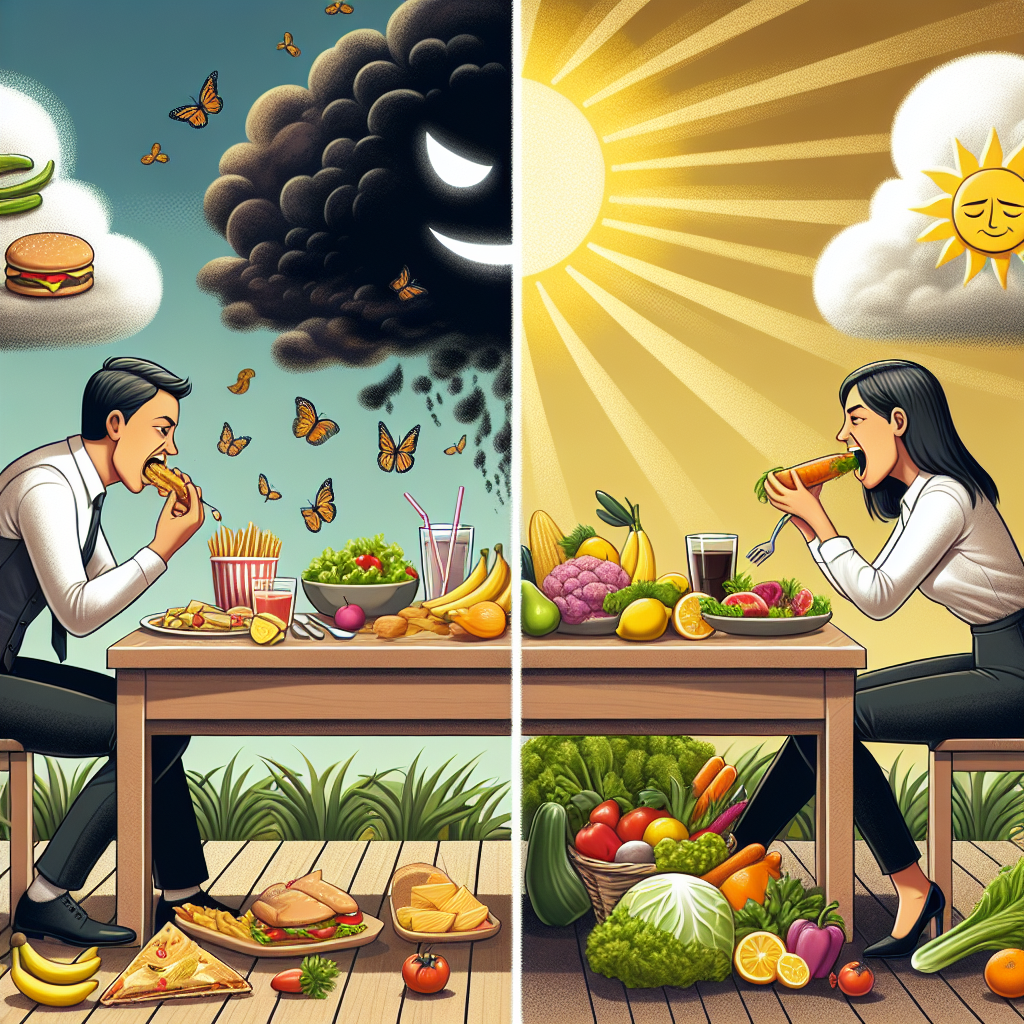
In recent years, there has been a growing awareness of the profound impact diet has on mental health. Nutrition is not only essential for physical wellbeing but also plays a critical role in emotional stability and cognitive function. This article delves into the intricate relationship between the food we consume and our emotional state, explaining how diet can either be a source of nourishment for the mind or a trigger for mood fluctuations and mental distress.
The Biological Foundations of Food-Mood Interactions
Nutrients as Building Blocks for Neurotransmitters:
– Neurotransmitters such as serotonin, dopamine, and norepinephrine are the chemical messengers responsible for conveying signals in the brain that influence mood and emotions.
– Certain nutrients, like tryptophan, tyrosine, and omega-3 fatty acids, are precursors to these neurotransmitters. Lack of these nutrients can lead to deficiencies in neurotransmitter production, potentially contributing to mood disorders.
The Gut-Brain Axis:
– Recent research has uncovered a bidirectional communication network between the gastrointestinal tract and the brain, known as the gut-brain axis.
– The gut microbiome—the diverse community of microbes residing in our intestines—interacts with the central nervous system, influencing psychological wellbeing in processes that involve the immune system, the vagus nerve, and microbial metabolites such as short-chain fatty acids.
The Role of Blood Sugar Regulation:
– Diet impacts blood glucose levels, with high-sugar diets causing rapid spikes and crashes that can trigger mood swings, irritability, and fatigue.
– Consistent intake of complex carbohydrates and fiber helps maintain stable blood sugar, providing a steady supply of energy to the brain and preventing mood disturbances.
Dietary Patterns and Emotional Health
The Mediterranean Diet and Enhanced Mood:
– The Mediterranean diet, abundant in fruits, vegetables, whole grains, legumes, nuts, lean proteins, and olive oil, is associated with a reduced risk of depression.
– This dietary pattern is rich in nutrients that support brain health, like antioxidants, vitamins, minerals, and monounsaturated fats.
The Western Diet and the Risk of Depression:
– In contrast, a Western dietary pattern characterized by high consumption of processed foods, red meat, sugar, and saturated fats is associated with an increased risk of depression.
– Such diets may promote inflammation and oxidative stress, which have been linked to the development of mood disorders.
The Influence of Specific Nutrients on Mood
The “Sunshine Vitamin” and Mood:
– Vitamin D, nicknamed the sunshine vitamin because the body synthesizes it in response to sunlight exposure, plays a role in brain function and mood regulation.
– Deficiencies in vitamin D have been linked to an increased risk of mood disorders, including seasonal affective disorder.
Omega-3 Fatty Acids and Brain Health:
– Omega-3 fatty acids, found in oily fish, flaxseeds, and walnuts, are critical components of cell membranes in the brain and possess anti-inflammatory properties.
– Research indicates that a higher intake of omega-3s correlates with a lower incidence of depression and may improve the efficacy of antidepressant medications.
B Vitamins and Emotional Well-Being:
– B vitamins, particularly folate, vitamin B6, and vitamin B12, support the production and function of neurotransmitters.
– Deficiencies in these vitamins can impair mood and cognitive function, with studies suggesting that supplementation may benefit individuals with depression.
Diet and Stress Response
The Importance of Magnesium:
– Magnesium acts as a cofactor for numerous physiological reactions, including those that help manage the body’s stress response.
– Low magnesium levels have been implicated in heightened stress and anxiety, and dietary magnesium has shown potential in moderating these conditions.
Adaptogens and Stress Relief:
– Adaptogens are a category of herbs and natural substances thought to help the body resist stressors.
– While not a replacement for a balanced diet, incorporating adaptogens like ashwagandha, rhodiola, and holy basil may offer additional support in managing stress and improving mood.
Eating for Balance: Tips for a Mood-Enhancing Diet
Incorporating Whole Foods:
– Focus on whole, unprocessed foods to supply a wide range of nutrients and optimize gut health.
– A diet rich in diverse plant-based foods encourages a healthy gut microbiome, which is linked to improved emotional health.
Mindful Eating Practices:
– Paying attention to the body’s hunger and satiety signals can foster a healthier relationship with food and improve mood.
– Mindful eating discourages disordered eating patterns and allows individuals to derive more enjoyment and satisfaction from meals.
Planning and Preparing Balanced Meals:
– Use meal planning to ensure a balance of macronutrients and a spectrum of vitamins and minerals in the diet.
– Preparing meals at home can help control portion sizes, ingredients, and the quality of the food consumed.
Challenges and Considerations in Nutritional Psychiatry
Access and Affordability:
– Healthful foods can be more expensive and less accessible in certain communities, presenting barriers to maintaining a mood-supportive diet.
– Community initiatives, policy changes, and educational programs are needed to bridge this gap and promote dietary equity.
Individual Differences:
– Personal biological factors, lifestyle, and genetic predispositions all contribute to the way diet influences mood.
– Customized nutritional interventions taking into account personal health status and preferences can be more effective than a one-size-fits-all approach.
The Importance of a Holistic Approach:
– While diet is a substantial factor in emotional health, it should be considered alongside other healthy lifestyle practices, such as exercise, sleep hygiene, and social support.
– A comprehensive approach to wellbeing is most likely to yield improvements in mood and overall mental health.
Final Thoughts
The burgeoning field of nutritional psychiatry emphasizes the importance of diet in maintaining not only physical health but also mental and emotional wellbeing. Compelling evidence suggests that what we consume can have a profound impact on our mood, stress levels, and risk of depression. By adopting a diet rich in whole foods and critical nutrients, individuals can take a proactive stance in supporting their emotional health.
However, it is critical to recognize that food is just one piece of the intricate puzzle of mental health. Access to nutrition, socioeconomic factors, and personal health profiles all play roles in determining the best dietary approach for an individual. As understanding evolves, the hope is that personalized nutritional strategies will become an integral component of mental health treatment, helping countless individuals find balance and wellbeing through the power of food.
