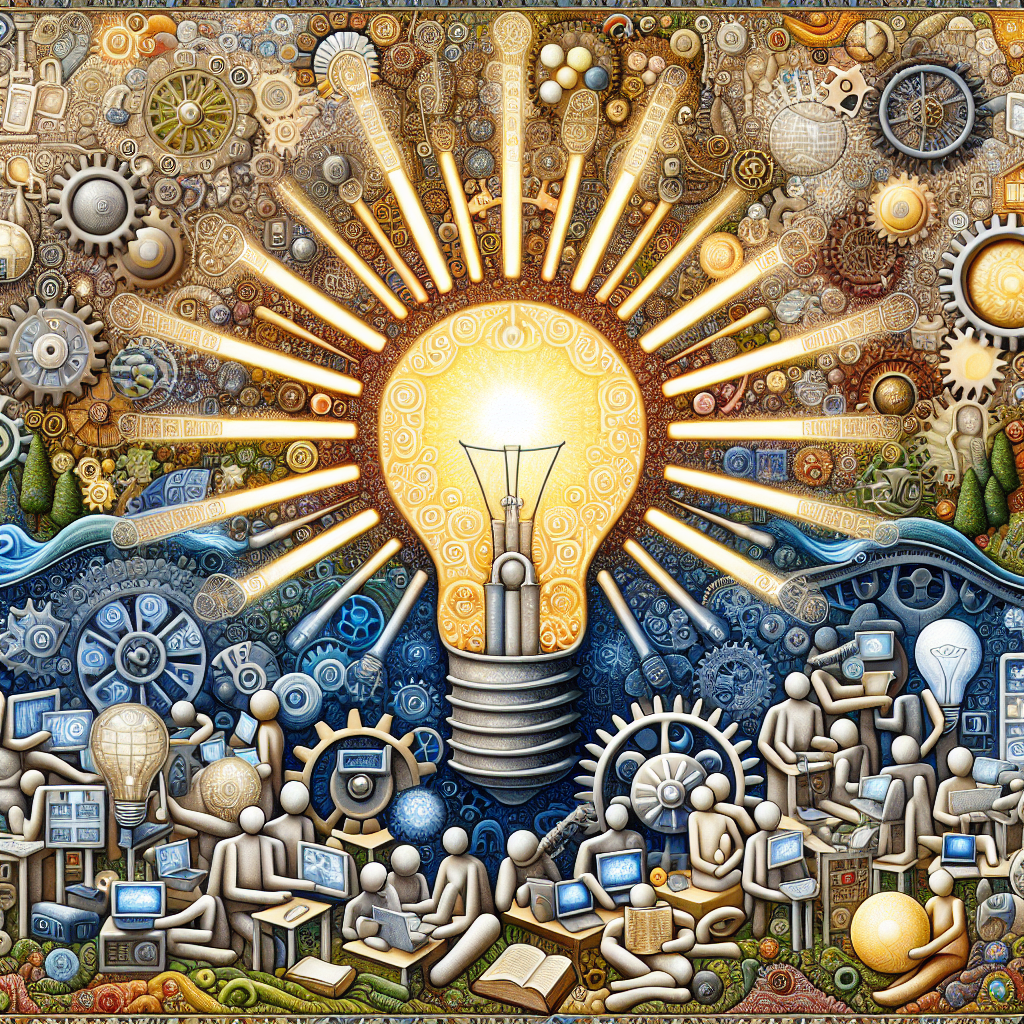
**The Connection Between Technology and Happiness: A Guide to Digital Well-Being**
In an age where technology infiltrates every facet of human life, it is crucial to explore the relationship between technology usage and happiness. What was once a novelty has become a staple in our daily routines, and this has profound implications for our well-being. In this comprehensive guide, we delve into the complex interplay between our digital habits and our sense of happiness, providing insights into how we can harness technology for our benefit while safeguarding our mental and emotional health.
**Understanding Happiness in the Digital Age**
Happiness is a multi-dimensional construct that extends beyond momentary joy and encompasses a sense of fulfillment, purpose, and well-being. With the digital revolution shaping how we work, socialize, and entertain ourselves, its impact on our happiness is profound and multifaceted. This section explores the various ways our digital interactions can both enhance and detract from our overall happiness.
– **The Enhancement of Connectivity**: Technology has the power to connect individuals worldwide, allowing for the forging of relationships that transcend physical boundaries. This has led to a new landscape of social connection, where support networks and communities can flourish online.
– **Access to Information and Opportunities**: With an abundance of information at our fingertips, technology has democratized learning and created avenues for personal and professional growth. This increased access can contribute positively to an individual’s sense of autonomy and achievement.
– **Entertainment and Leisure**: Digital platforms offer countless avenues for relaxation and enjoyment, from streaming services to online gaming. These outlets can provide a valuable escape and a source of personal satisfaction.
– **The Downsides of Constant Connectivity**: While the ability to connect instantaneously has its advantages, it also presents challenges such as information overload, privacy concerns, and an often compulsive need to stay online.
**Balancing Digital Consumption**
The key to reaping the benefits of technology without jeopardizing our happiness is balance. This requires critical self-awareness regarding our consumption patterns and their impact on our mental well-being. Here are strategies for fostering a healthier relationship with our devices:
– **Mindful Technology Use**: Consciously deciding when and how to use technology is the first step toward taking control of our digital lives. This implies setting clear boundaries and being present in our interactions both online and offline.
– **Digital Detoxes**: Periodically stepping away from screens and social media can lead to increased mindfulness and reduce the stress associated with constant connectivity. Even short breaks can have a considerable positive effect.
– **Quality over Quantity**: Prioritizing meaningful online interactions over passive scrolling can drastically improve our digital experiences. Engaging with content that educates, inspires, or connects us to others in a deep manner is beneficial.
**Navigating Social Media and Happiness**
The realm of social media is a battleground for our happiness, with the potential for both positive and negative outcomes. This section evaluates the complex dynamics of social media platforms and how they shape our emotional landscape:
– **The Comparison Trap**: Social media often presents a highlight reel of others’ lives, which can lead to unfair comparisons and feelings of inadequacy. Learning to view these platforms with a critical eye is essential.
– **The Power of Positive Communities**: On the flip side, social media can serve as a rallying point for positive communities and support groups, proving highly beneficial for individuals seeking connection and validation.
– **Building a Positive Social Media Presence**: By consciously curating our feeds and contributions, we can foster a social media environment that is uplifting and reflective of our values, thereby enhancing our sense of happiness.
**Technology and the Work-Life Balance**
With the rise of remote working and digital nomadism, technology has blurred the lines between work and personal life. This section discusses strategies to maintain a healthy balance in our digitally-driven professional lives:
– **Setting Boundaries**: Establishing clear cut-off times for work communication and designating spaces in the home exclusively for work can help delineate professional from personal time.
– **Tech Tools for Productivity**: Utilizing digital tools for efficient work management allows for a more structured workday, leaving space for relaxation and leisure activities which are vital for happiness.
**Mental Health in the Digital Realm**
The digital world can be a double-edged sword for mental health, offering resources for support while also presenting risks. Understanding this landscape is critical for safeguarding our well-being:
– **Online Therapy and Support**: The accessibility of mental health resources through apps and online platforms has made seeking help more convenient and less stigmatized, contributing positively to the happiness of countless individuals.
– **The Risks of Cyberbullying and Trolling**: Navigating the minefield of online negativity requires resilience and sometimes, assistance. Establishing robust support networks and utilizing platform tools to manage exposure to harmful interactions is crucial.
**Fostering a Positive Digital Footprint**
Our digital footprint—the trail of data we leave behind online—can have longstanding repercussions on our happiness. Managing this aspect responsibly ensures that our digital legacy aligns with our real-life values:
– **Privacy and Data Protection**: Being cognizant of privacy settings and mindful sharing practices can minimize the risk of exploitation and maintain a sense of control over one’s online persona.
– **Creating Meaningful Content**: Sharing content that aligns with our passions and interests can lead to fulfilling connections and a positive sense of self-reflection.
**Technology and Child Development**
For the younger generation being raised in a technology-saturated environment, the stakes are exceptionally high. This section offers guidance on how technology can be integrated healthily into children’s lives:
– **Screen Time Management**: Parents and guardians need to regulate screen time for children, ensuring a balanced lifestyle that includes physical activity and face-to-face interactions.
– **Educational and Interactive Content**: Leveraging technology for educational purposes can be highly beneficial, promoting cognitive development and digital literacy from a young age.
**Conclusion: Embracing Digital Well-Being**
The connection between technology and happiness is both intricate and intimately personal. As we navigate the ever-evolving digital landscape, it is our responsibility to foster habits that nurture our well-being. By being mindful of our technology usage, actively seeking balance, and cultivating positive digital environments, we can wield technology as a tool for enhancing happiness rather than detracting from it. Embracing digital well-being is not just about limiting our screen time—it’s about redefining our relationship with technology to support a happier, healthier life.
