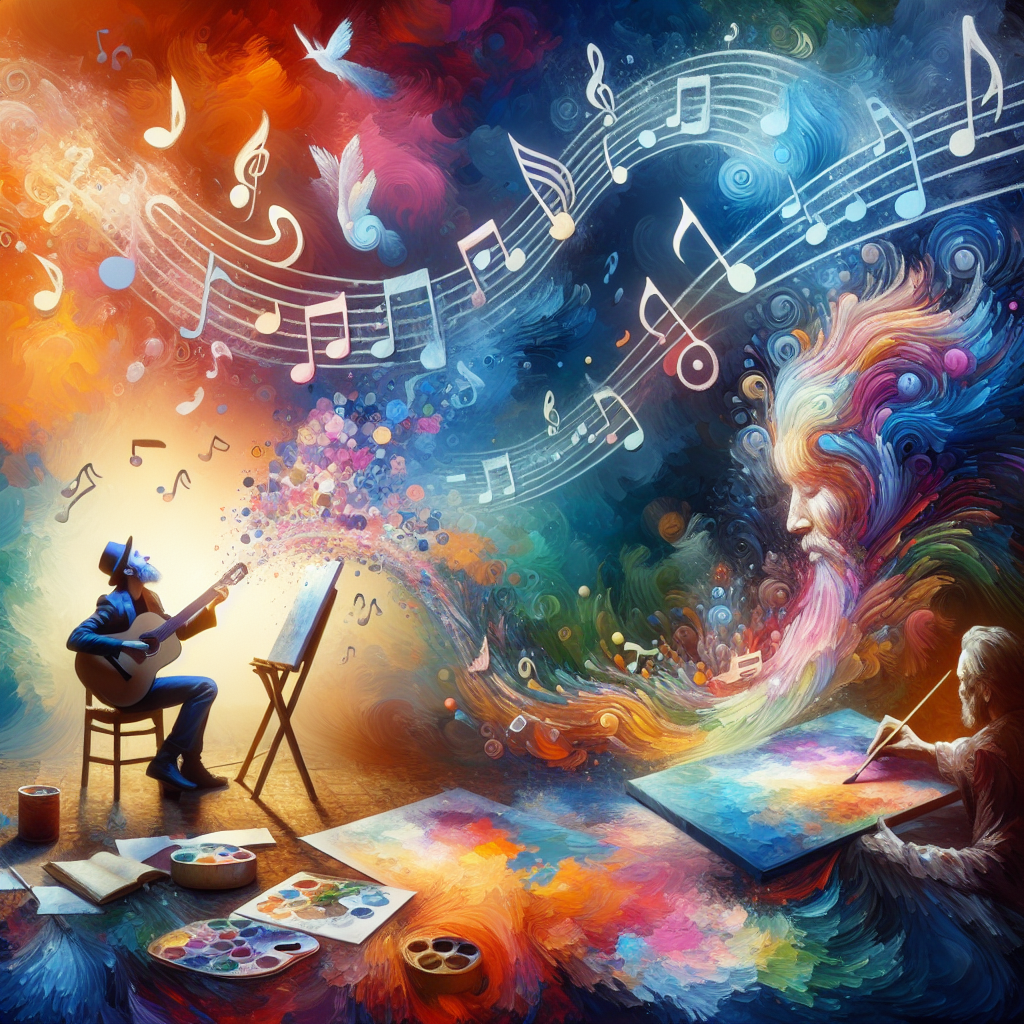
The Intersection of Harmony and Hue: Exploring the Impact of Music and Art on Emotional Wellness
The integration of music and art into the very fabric of human existence is indisputable. From the ancient cave paintings and ritualistic chants to contemporary immersive exhibits and sophisticated symphonies, both realms have consistently offered us solace, stimulation, and an unparalleled means of expression. In this exploration, we delve into the profound influence that music and art exert on our emotional wellness, examining the mechanisms by which they touch, transform, and sometimes transfigure our deepest selves.
The Healing Harmonics of Music
Music has long been recognized as a potent instrument of healing and emotional release. The effect of melody, harmony, and rhythm on our psyche is both primal and profound. Let us examine some key aspects of how music contributes to emotional wellness:
– Emotional Mirroring and Expression
Music often serves as a mirror, reflecting our inner emotional states. Upbeat tunes may echo our joy, while a somber sonata might resonate with our sorrow. The act of listening or performing allows us to not only recognize and accept our emotions but also to express them in a controlled and healthy manner.
– The Therapeutic Soundwaves
The use of music therapy in clinical settings underscores its restorative capabilities. Through tailored musical experiences, therapists help patients address various emotional and psychological challenges. This therapeutic approach has shown efficacy in enhancing mood, reducing anxiety, and even managing pain in individuals.
– Cognitive and Memory Associations
Songs and compositions can serve as powerful triggers for memories, both joyful and painful. Familiar melodies can transport us back to specific moments in time, inciting a cascade of emotions. This link between music and memory plays a vital role in emotional processing and can be particularly poignant for individuals with cognitive disorders like dementia.
– Social and Cultural Connections
Music often acts as a social glue, creating bonds among individuals through shared experiences at concerts, festivals, or simply communal listening sessions. Moreover, music can reinforce cultural identity and heritage, grounding us in a sense of belonging and shared emotional narrative.
The Visual Elixir of Art
Parallel to the audible influence of music, the visual arts provide an equally compelling avenue for emotional exploration and understanding. Engagement with art, whether it’s through creation or appreciation, offers numerous wellness benefits:
– Reflection and Interpretation
Art presents us with symbols and imagery that stimulate introspection. A painting, sculpture, or installation can prompt us to project our emotions onto the piece, engaging in a silent dialogue that aids in processing complex feelings.
– Art Therapy and Expression
Similar to the principles of music therapy, art therapy is an established psychological practice. It provides individuals with a means to express thoughts and emotions that may be difficult to articulate verbally. By drawing, painting, or sculpting, people can navigate their emotional landscapes in a way that is both constructive and cathartic.
– Aesthetic Pleasure and Mindfulness
The simple act of observing art can elicit feelings of joy and wonder due to its aesthetic appeal. Moreover, it encourages a state of mindfulness, compelling the observer to be fully present and immersed in the experience. This focus on the here and now can mitigate stress and contribute to a more balanced emotional state.
– Creativity and Cognitive Engagement
Creating art stimulates the brain, activating areas involved in fine motor skills, problem-solving, and decision-making. This cognitive engagement can lead to a sense of accomplishment and an increase in positive emotions, which are essential components of emotional wellness.
The Interplay of Music and Art in Everyday Life
Integrating music and art into our daily routines can serve as a powerful tool for maintaining and improving emotional wellness. Here are some ways to incorporate these elements into everyday life:
– Personalized Playlists and Collections
Creating playlists of songs that resonate with diverse emotional states or curating a selection of art that speaks to different facets of the human experience can provide tailored emotional support and inspiration.
– Creative Outlets
Picking up a musical instrument or engaging in artistic hobbies like painting, drawing, or digital art creation can provide an outlet for emotional energy and a productive way to decompress after a stressful day.
– Public and Community Spaces
Seeking out public installations, art galleries, and live music venues can expose us to a broader spectrum of expressive content, fostering connections with community and culture, as well as broadening our emotional experiences.
– Mindful Consumption
Intentionally engaging with music and art by setting aside dedicated time for focused listening or viewing can enhance our ability to connect with our emotions and derive deeper meaning from the experiences.
The Interconnectivity of Music, Art, and Emotional Wellness
The synergistic relationship between music, art, and emotional wellness is a testament to the power of aesthetics and acoustics in shaping our inner landscape. The influence of these mediums on our feelings and mental health cannot be overstated:
– Synergizing Senses
Music and art together can create multisensory experiences that are particularly potent in evoking strong emotional responses. This multi-layered stimulation can result in a richer, more nuanced emotional experience.
– Cultural and Personal Narratives
Both mediums provide a lens through which we can examine our own lives and the broader human condition. The stories they tell and the emotions they evoke form part of the tapestry of our individual and collective narratives.
– The Universality of Aesthetics
Despite cultural differences in musical and artistic expression, certain fundamental emotional responses to these forms appear to be universal. Melodic intervals, rhythmic patterns, and visual aesthetics have the potential to cross cultural boundaries, resonating with a diverse array of individuals.
– Resonance and Dissonanceurlpatterns
In both music and art, elements of both resonance and dissonance play crucial roles in reflecting the complexities of human emotion. Just as a discordant chord can create tension before resolution in music, contrasting colors and forms in art can embody the multifaceted nature of our emotional world.
In Conclusion
Embracing the transformative impact of music and art on emotional wellness stands as a testament to the intrinsic human need for expressive outlets and aesthetic experiences. As we continue to navigate an ever-changing world, full of its own rhythms and colorscapes, the universal languages of music and art remain steadfast companions in our journey toward emotional equilibrium. Their ability to soothe, inspire, and connect us to the deepest parts of ourselves is a wellspring of vitality that fortifies our resilience and enriches our lives immeasurably.
