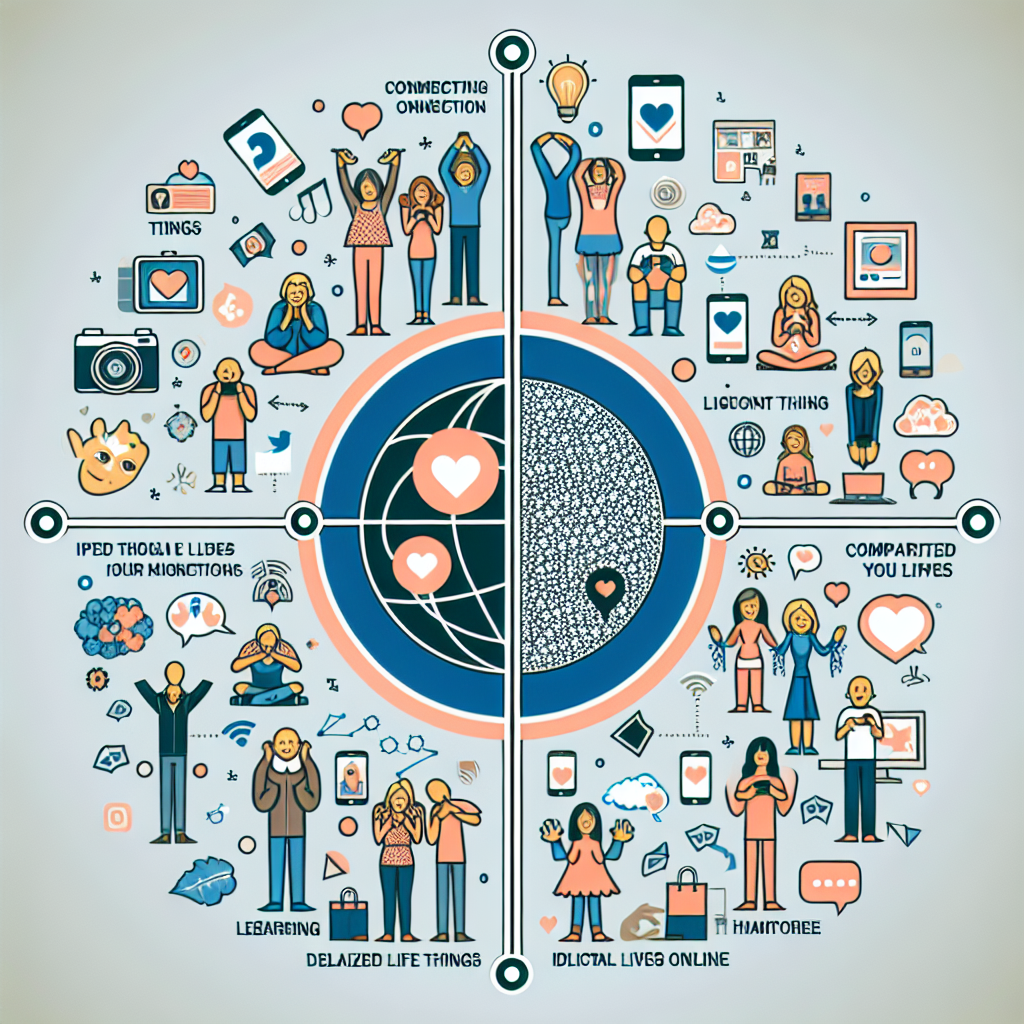
The Impact of Social Media on Happiness and Well-Being
The advent of social media has significantly transformed human interaction. With billions of active users worldwide, platforms like Facebook, Instagram, Twitter, and TikTok have become central to our daily lives, revolutionizing the way we connect, share, and consume information. However, as social media embeds itself more deeply into the fabric of society, its effects on happiness and well-being come under closer examination. In this article, we’ll explore the multifaceted impact of social media on our personal happiness and overall well-being, dissecting both the positive influences and negative ramifications.
Understanding the Pervasiveness of Social Media
Before diving into the impacts, it’s crucial to appreciate just how ingrained social media has become:
– Global Reach: Social media platforms boast users from virtually every corner of the world.
– Daily Usage: For many individuals, checking social media is one of the first and last things they do each day.
– Central Communication Hub: Social media functions as a primary tool for personal and professional communication.
– News and Information: An increasing number of people receive their daily news and updates through social media channels.
The Positive Aspects of Social Media on Happiness
Enhanced Connectivity and Support
– Fostering Relationships: Social media provides a platform to connect with friends and family, regardless of geographical barriers.
– Community Building: People with shared interests can form communities, providing a sense of belonging and mutual support.
– Emotional Expression: Platforms allow for the expression of feelings and experiences, which can be therapeutic and lead to supportive interactions.
Access to Information and Opportunities
– Learning and Growth: Social media is a rich source of informational content, enabling users to learn new skills and expand their knowledge.
– Exposure to New Experiences: Through shared content, users are exposed to diverse cultures, experiences, and perspectives.
– Professional Networking: Platforms like LinkedIn facilitate career development and networking opportunities.
Empowerment and Advocacy
– Social Movements: Social media has played a vital role in organizing and amplifying social movements, giving voice to the voiceless.
– Personal Branding: Individuals can showcase their talents and passions, possibly leading to recognition and happiness through personal achievement.
– Creative Outlets: Many find joy in using social media as a platform for their creativity, reaching a broad audience with their creations.
The Negative Impact of Social Media on Well-being
Mental Health Challenges
– Comparison and Envy: Exposure to curated highlights of others’ lives can lead to harmful comparisons and feelings of inadequacy.
– Cyberbullying and Trolling: Negative or abusive interactions can lead to psychological distress for those targeted.
– Anxiety and Addiction: The constant need to check notifications and feeds can become compulsive, creating anxiety and disrupting real-world interactions.
Detrimental Effects on Relationships and Community
– Superficial Connections: Social media interactions can lack the depth of face-to-face relationships, leading to a sense of isolation.
– Echo Chambers: Users often find themselves in filtered bubbles, reinforcing existing beliefs and reducing exposure to differing viewpoints.
– Decreased Face-to-Face Interaction: An overreliance on digital communication can diminish the quality and frequency of in-person socializing.
Impact on Physical Health
– Sedentary Lifestyle: Increased social media use can contribute to a more sedentary lifestyle, with negative consequences for physical health.
– Sleep Disruption: Screen time, particularly before bed, can negatively affect sleep patterns, impacting overall well-being.
– Eye Strain and Fatigue: Prolonged use of screens can cause visual and physical discomfort.
Fostering a Balanced Relationship with Social Media
Recognizing the potential harms of social media is just the first step towards fostering a healthier relationship with these platforms. Here are some strategies for mitigating negative effects while still enjoying the benefits:
Mindful Usage and Time Management
– Set Time Limits: Allocate specific times for social media use, and stick to them to avoid excessive scrolling.
– Prioritize Real-Life Interactions: Make a conscious effort to engage in face-to-face activities and meaningful conversations outside of social media.
– Use Tools and Apps: Utilize built-in tools or third-party apps to track and limit social media usage.
Quality over Quantity
– Curate Your Feed: Follow accounts that inspire and uplift you, and unfollow or mute those that provoke negative emotions.
– Engage Actively: Instead of passively scrolling, interact meaningfully—comment on posts, share ideas, and contribute to discussions.
– Quality Content: Share content that reflects the best aspects of your life without succumbing to the pressures of portraying a perfect image.
Educational and Inspirational Use
– Follow Educational Accounts: Subscribe to pages or individuals who offer educational content, personal growth tips, or motivational messages.
– Participate in Groups: Join groups or forums that align with your hobbies or professional interests to foster learning and engagement.
– Limit Exposure to Negativity: Be selective about the news and current events you consume on social media to protect your mental health.
Conclusion
Social media’s impact on happiness and well-being is complex, with significant effects on individual and societal levels. While there are undeniable benefits to being digitally connected, the potential for harm requires us to engage with these platforms mindfully. By consciously curating our social media experience, setting boundaries, and focusing on positive interactions, we can mitigate adverse effects and enhance our happiness and well-being.
In an era where digital presence is nearly ubiquitous, the responsibility falls on users to navigate the intricate balance between online engagement and real-world fulfillment. As social media continues to evolve, so must our strategies for managing its influence on our lives. By approaching social media use with awareness and intention, we can preserve our happiness and well-being in this interconnected age.
